
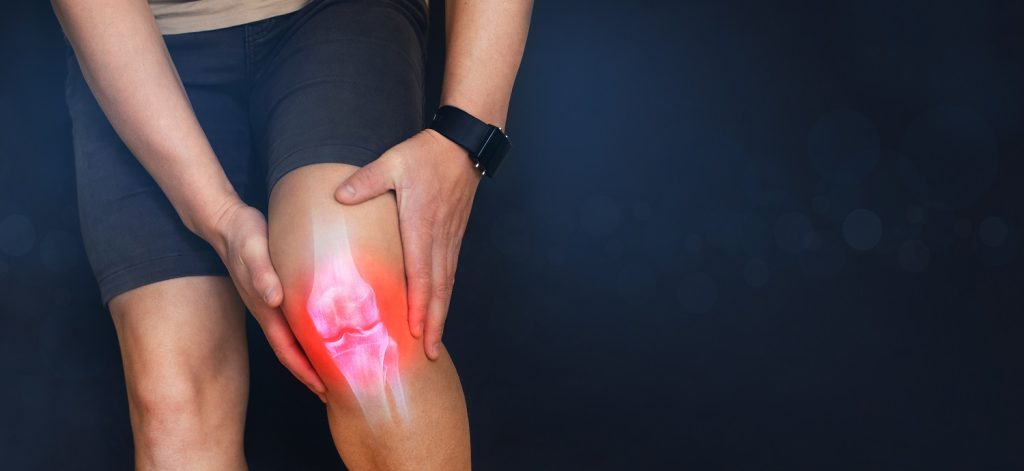
Comprehensive Guide to Understanding, Treating, and Preventing Knee Injuries
What are Knee Injuries?
Knee injuries refer to any damage sustained by the structures within or around the knee joint. They can result from acute trauma, repetitive stress, or degenerative changes over time. Knee injuries range from mild strains to severe conditions requiring surgical intervention and rehabilitation.
Definition of Knee Injuries
A knee injury is any condition that affects the bones, cartilage, ligaments, tendons, or other soft tissues within the joint. Knee injuries lead to pain, instability, swelling, or reduced function.
Anatomy of the Knee
The knee is a large, complex joint. It is a hinge joint, allowing flexion and extension while providing stability and support for movement. The primary components of the knee include:
- Bones: The femur (thigh bone), tibia (shin bone), and patella (kneecap) form the structure of the knee.
- Ligaments: The knee contains four major ligaments—anterior cruciate ligament (referred to as ACL), posterior cruciate ligament (referred to as PCL), lateral collateral ligament (referred to as LCL) and medial collateral ligament (referred to as MCL), —which provide stability.
- Menisci: The knee has two menisci, medial and lateral. These cartilage structures cushion and stabilise the knee.
- Cartilage: Over the ends of the bones is articular cartilage, allowing smooth movement and reducing friction.
- Tendons: The patellar tendon and quadriceps tendon assist in movement by connecting muscles to bones.
- Muscles: The quadriceps and hamstrings play a key role in knee motion and stability.
Importance of Understanding Knee Injuries
Knee injuries can significantly impact daily activities, athletic performance, and long-term mobility. Early diagnosis and treatment are required to prevent further complications and ensure optimal recovery. Understanding the causes, symptoms, and treatment options means individuals can take steps to maintain knee health.
Critical Components of the Knee Structure
Each part of the knee has a specific function, and damage to any component can result in instability, pain, or loss of movement. Recognising the role of these structures helps in understanding different types of knee injuries and their management.
Role of the Knee in Human Movement and Mobility
The knee is essential for weight-bearing, walking, running, jumping, and various physical activities. It absorbs impact, provides support, and facilitates motion, making it one of the most utilised joints in the body. Any injury to the knee can hinder overall mobility and quality of life.
Types of Knee Injuries
Ligament Injuries (ACL, PCL, MCL, LCL)
- ACL injuries: Common in sports involving sudden stops or changes in direction, ACL tears often require surgical reconstruction.
- PCL injuries: Typically caused by direct impact to the knee, PCL tears can often be managed conservatively.
- MCL injuries: Result from forces pushing the knee inward, frequently occurring in contact sports.
- LCL injuries: Occur when the knee is forced outward, often due to trauma or falls.
Meniscus Tears
Meniscus tears occur due to twisting or sudden movements, especially in athletes. They can range from minor tears that heal with physiotherapy to severe cases requiring surgery.
Cartilage Damage
Damage to the articular cartilage will likely cause pain, swelling, and joint stiffness. Over time, cartilage wear can contribute to osteoarthritis.
Tendon Injuries
- Patellar tendonitis: Also known as “jumper’s knee,”. Repetitive stress on the patellar tendon causes this.
- Quadriceps tendon tears: These injuries are more common in older individuals, can be severe, and may require surgical repair.
Fractures and Dislocations
- Knee fractures: The patella, tibia, or femur may fracture due to direct trauma or high-impact injuries.
- Dislocations: The knee joint can dislocate due to forceful impact, requiring immediate medical attention to prevent complications.
Chronic Knee Conditions
- Osteoarthritis: Wear-and-tear degeneration of the knee joint, causing pain, stiffness, and reduced mobility.
- Patellofemoral pain syndrome: Often linked to muscle imbalances or overuse, it causes pain around the kneecap.
- Bursitis: Inflammation of the bursae, fluid-filled sacs that cushion the knee.
Sports-Related Knee Injuries
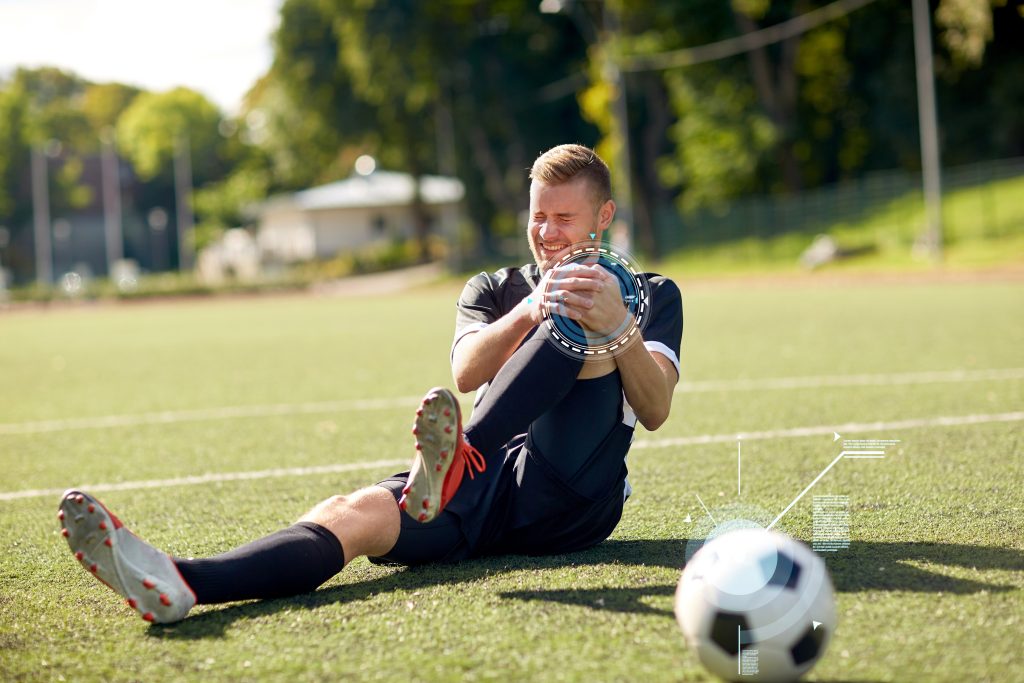
Due to the significant demands on the joint, athletes are particularly susceptible to knee injuries. Sports like football, basketball, and skiing often involve sudden movements, increasing the risk of ligament tears, meniscus injuries, and tendonitis.
Traumatic Knee Injuries
Accidents, falls, and direct blows to the knee can result in fractures, dislocations, and severe soft tissue injuries. Immediate medical intervention is often required to stabilise the joint and prevent long-term complications.
Understanding the different types of knee injuries helps in recognising symptoms early and seeking appropriate treatment, whether through orthopaedic assessment, physiotherapy, medication, or surgical intervention.
The team at Access Ortho specialise in bone, joint, muscle and ligament injuries. Knee injuries require specialist care for the best outcome. Access Ortho offers Urgent Care for orthopaedic injuries.
How Common are Knee Injuries?
Prevalence Across Different Age Groups
Knee injuries affect individuals of all ages, though their frequency and causes vary. Young athletes often experience acute ligament or meniscus injuries, while middle-aged adults may suffer from degenerative cartilage damage. Older people are more prone to osteoarthritis and fractures due to weakened bone density.
Sports and Activity-Related Injury Rates
High-impact sports, such as football, rugby, basketball and skiing, carry an increased risk of knee injuries. ACL tears, meniscus injuries, and patellar dislocations are particularly common in these activities. Studies indicate that knee injuries account for a significant proportion of sports-related medical visits.
Workplace and Lifestyle-Associated Knee Injuries
Occupational hazards, such as heavy lifting, repetitive knee bending, and prolonged standing, contribute to knee strain and injuries. Jobs in construction, healthcare, and manufacturing frequently report work-related knee injuries. Additionally, sedentary lifestyles can lead to muscle imbalances, increasing the risk of knee pain and dysfunction.
Demographic Variations in Knee Injury Occurrence
Gender differences exist in knee injury rates, with female athletes being more susceptible to ACL injuries due to anatomical and hormonal factors. Body weight and overall physical conditioning also play a role in knee injury susceptibility. Additionally, individuals with a history of past knee injuries are more likely to experience recurrent issues.
Long-Term Impact on Population Health
Knee injuries can lead to ongoing pain, limited mobility, and an increased risk of osteoarthritis. Persistent knee issues may impact an individual’s ability to work and maintain an active lifestyle. Early intervention and preventive strategies are crucial in mitigating the long-term consequences of knee injuries.
Symptoms and Causes of Knee Injuries
What Are the Primary Symptoms of Knee Injuries?
- Pain and tenderness around the knee joint
- Swelling and inflammation
- Instability or feeling of the knee “giving way”
- Reduced range of motion
- Popping or clicking sounds
- Difficulty bearing weight or walking
What Causes Knee Injuries?
Sports and Athletic Activities
High-impact and contact sports, such as skiing, football, and basketball, increase the risk of knee injuries due to sudden movements, collisions, and excessive force.
Sudden Impact or Trauma
Falls, car accidents, or direct strikes to the knee can lead to fractures, dislocations, and ligament tears.
Repetitive Stress
Repetitive movements such as running, jumping, and kneeling can contribute to overuse injuries and chronic knee conditions.
Overuse and Improper Training
Poor biomechanics, lack of rest, and excessive training loads can cause gradual wear and tear on the knee structures.
Age-Related Degenerative Changes
As people age, cartilage degeneration and weakened ligaments increase the risk of knee injuries and conditions like osteoarthritis.
Biomechanical Factors
Poor alignment, flat feet, and muscle imbalances can put increased strain on the knee joint, increasing injury risk.
Sporting Technique and Movement Patterns
Incorrect landing techniques, abrupt directional changes, and poor knee positioning during activities can contribute to injuries.
Knee Injury Risk Factors
- Age-related vulnerabilities: Older adults face a higher risk due to degenerative changes.
- Previous injury history: A past knee injury increases the likelihood of recurrence.
- Muscle imbalances: Tight or weak muscles can lead to improper knee mechanics.
- Body weight and composition: Excess weight places additional stress on the knee joints.
- Flexibility and strength limitations: Poor conditioning increases susceptibility to injury.
- Sport and occupation-specific risks: Athletes and individuals in physically demanding jobs are at greater risk.
- Genetic predispositions: Genetically predispositions in some people can lead to knee conditions like osteoarthritis.
Complications of Untreated Knee Injuries
- Chronic pain: Persistent discomfort can affect daily activities.
- Reduced mobility: Untreated injuries may result in stiffness and loss of movement.
- Joint instability: Weakened ligaments or cartilage damage can cause instability.
- Accelerated joint degeneration: Increased wear and tear may lead to arthritis.
- Increased risk of arthritis: Long-term damage can contribute to osteoarthritis development.
- Long-term functional limitations: Reduced activity levels may impact overall health and fitness.
- Psychological impacts of chronic injury: Persistent pain and restricted movement can lead to anxiety and depression.
How Are Knee Injuries Diagnosed?
Comprehensive Physical Examination
A detailed physical examination helps assess knee stability, pain levels, and signs of swelling or deformity. The healthcare provider may check for tenderness, warmth, and any abnormal movement within the joint to determine the nature of the injury.
Patient History Assessment
Understanding the patient’s history is essential in diagnosing knee injuries. The doctor will ask about recent activities, past injuries, the onset of pain, and any previous medical conditions that may contribute to knee problems.
Range of Motion and Stability Tests
These tests evaluate how well the knee moves and whether it remains stable under different conditions. Doctors may perform manual stress tests, such as the Lachman test for ACL integrity, to determine ligament function and overall joint stability.
Pain Pattern Analysis
Assessing the location and nature of the pain—whether it is sharp, dull, constant, or intermittent—helps identify the possible cause. Pain during specific movements or weight-bearing activities can indicate ligament, cartilage, or tendon injuries.
Functional Movement Screening
This involves assessing how the knee performs during daily movements, such as walking, squatting, or climbing stairs. Functional tests help determine the extent of impairment and guide rehabilitation strategies.
Diagnostic Tests for Knee Injuries
- X-ray imaging: Useful for detecting fractures and joint misalignments.
- MRI scans: Provides detailed images of soft tissues, including ligaments and cartilage.
- CT scans: Helps assess complex bone injuries and joint structures.
- Ultrasound diagnostics: Evaluates soft tissue damage and inflammation in real-time.
- Arthroscopic evaluation: A minimally invasive procedure that allows direct visualisation of the knee structures.
- Advanced imaging techniques: Additional specialised tests may be used for complex cases.
- Specialised orthopaedic assessments: These are conducted by orthopaedic specialists to determine the degree of injury and to develop an appropriate treatment plan.
The orthopaedic team at Access Ortho specialise in acute orthopaedic injuries. They will ensure they do a thorough assessment to diagnose your injury accurately.
Management and Treatment of Knee Injuries

Immediate Treatment Approaches
- RICE protocol (Rest, Ice, Compression, Elevation): This first-line approach helps reduce swelling, manage pain, and prevent further damage in the initial stages of a knee injury.
- Pain management strategies: Over-the-counter pain relievers, anti-inflammatory medications, and cold therapy can help alleviate discomfort.
- Initial injury stabilisation: Bracing, taping, or immobilisation may be necessary to prevent worsening of the injury.
- Acute injury management techniques: Early intervention, such as gentle mobility exercises and avoiding weight-bearing, can aid recovery.
Professional Treatment Options
- Physiotherapy referral: Tailored exercise programs, manual therapy, and strengthening exercises help restore mobility and function.
- Rehabilitation advice: Progressive rehabilitation plans ensure proper healing and prevent recurrence of injuries.
- Minimally invasive interventions: Procedures like corticosteroid injections and platelet-rich plasma (PRP) injections may be considered to minimise inflammation and promote healing.
- Surgical reconstructions: Severe injuries, such as ligament tears, may require surgical intervention. ACL reconstructions and meniscus repairs are common procedures.
- Knee replacement surgery: In cases of significant osteoarthritis or irreversible joint damage, total or partial knee replacement may be considered as a way to restore function and alleviate pain.
- Regenerative medicine approaches: Emerging treatments, such as stem cell therapy, aim to repair damaged knee structures and promote natural healing.
- Orthotic and assistive devices: Knee braces, supportive footwear, and custom orthotics can provide additional stability and prevent further injury.
Access Ortho specialises in treating acute knee injuries with expert assessment, advanced diagnostic tools, and personalised treatment plans. The team of specialists ensures timely intervention and optimises recovery outcomes for patients of all ages.

Rehabilitation and Recovery
Progressive Exercise Programs
A structured rehabilitation program helps restore strength and mobility. Gradual progression ensures safe recovery and minimises the risk of re-injury.
Strength and Flexibility Training
Targeted exercises improve muscle balance, enhance joint stability, and prevent further injuries. Strengthening the quadriceps, hamstrings, and hip muscles plays a crucial role in knee health.
Joint Mobility Restoration
Gentle stretching and range-of-motion exercises help decrease stiffness and improve knee function. Physiotherapists tailor mobility training to each individual’s needs.
Return to Sport/Activity Guidelines
A step-by-step approach helps patients safely transition back to sports and daily activities. Functional tests and strength benchmarks determine readiness for return to play.
Psychological Recovery Strategies
Injuries can impact mental well-being, leading to anxiety or fear of re-injury. Rehabilitation includes mental resilience training, goal-setting, and gradual confidence-building exercises.
Role of Fracture and Urgent Care Clinics
Specialised clinics like Access Ortho provide expert assessment, timely intervention, and comprehensive rehabilitation plans for acute knee injuries. The team of specialists ensures optimal recovery, helping patients regain function and safely return to their daily activities.
Prevention Strategies for Knee Injuries
Proper warm-up techniques:
A well-structured warm-up increases circulation to the knee joint, loosens surrounding muscles, and prepares ligaments for load. This should include light aerobic activity, dynamic leg stretches, and activation exercises for the glutes and quadriceps.
Strength and conditioning exercises:
Targeted strength training for the quadriceps, hamstrings, glutes, and calf muscles improves knee support and stability. Exercises like squats, lunges, and hamstring curls, combined with balance and core work, help protect the knee from injury.
Flexibility training:
Maintaining flexibility in the hips, hamstrings, calves, and quads reduces tension and prevents uneven loading on the knee joint. Regular stretching and foam rolling can help soft tissues maintain suppleness and responsiveness.
Biomechanical assessment:
Assessing gait, squat patterns, and lower-limb alignment can reveal issues like pronation or poor tracking of the kneecap, which may contribute to knee injuries. Corrections through strengthening or orthotics can reduce stress on the joint.
Sport-specific injury prevention: Sports involving jumping, pivoting, or sudden stops—such as netball, football, and basketball—require specific drills focusing on landing mechanics, agility, and neuromuscular control to reduce the risk of knee injuries.
Protective equipment usage:
Knee braces, supportive footwear, and orthotics can help stabilise the knee and reduce excessive movement or stress, particularly for athletes with a history of knee issues.
Technique improvement strategies:
Proper technique in activities like jumping, landing, cutting, and squatting is crucial. Coaching and video analysis can help correct poor form and prevent excess strain on the knee joint over time.
OUTLOOK AND PROGNOSIS
Recovery Expectations
Typical recovery timelines:
Recovery from a knee injury depends on the severity of the injury. Mild sprains or strains will likely heal within a few weeks, while serious injuries, such as ligament tears or fractures, will likely take several months. Surgical interventions, such as ACL reconstruction, often require 9–12 months of rehabilitation before full recovery.
Factors influencing recovery:
Age, overall fitness, the severity of the injury, adherence to rehabilitation protocols, and pre-existing conditions all play a role in recovery time. Access to physiotherapy and appropriate treatment also impacts outcomes.
Long-term joint health considerations:
Repeated knee injuries or inadequate rehabilitation can increase the risk of osteoarthritis and chronic instability. Maintaining knee strength, flexibility, and proper biomechanics can help protect long-term joint health.
Return to full function expectations:
While many individuals regain full function, some may experience lingering stiffness, weakness, or discomfort. Comprehensive rehabilitation is crucial to achieving optimal recovery and reducing the risk of re-injury.
Return to Activity
Criteria for resuming sports:
Before returning to sport, key criteria must be met, including pain-free movement, restored strength and balance, good knee stability, and clearance from a healthcare professional. Functional testing may be used to assess readiness.
Gradual reintroduction to physical activities:
A stepwise approach to increasing activity levels is essential. This may involve starting with low-impact exercises like swimming or cycling before progressing to running, cutting, and jumping drills.
Performance expectations post-injury:
Some individuals may experience a temporary decline in strength, endurance, or confidence in their knee. With structured rehabilitation and progressive training, most athletes can return to their previous performance levels.
Monitoring and follow-up recommendations:
Regular check-ins with a physiotherapist or doctor can help track progress, address concerns, and adjust rehabilitation plans. Ongoing strength and conditioning work may be recommended to prevent future injuries.
This information provides general guidance on prognosis, but your recovery will depend on the nature of your injury and how you progress through rehabilitation. It’s essential to follow the personalised advice given by your medical team. At Access Ortho, follow-up appointments will be scheduled to closely monitor your recovery and make any necessary adjustments to your treatment plan.
When to Seek Professional Help for Knee Injuries
Signs of severe injury:
Seek medical care if you experience sudden, intense pain, a loud popping sound at the time of injury, rapid swelling, or the inability to bear weight on the affected leg. These may be signs of a serious ligament tear, fracture, or meniscal injury.
Persistent pain indicators:
If knee pain continues for more than a few days without improvement or worsens over time, it’s important to have the injury professionally assessed. Persistent discomfort could indicate underlying issues that require targeted treatment.
Limitations in movement:
Difficulty fully bending, straightening, or putting weight on the knee, along with feelings of instability or ‘giving way,’ are signs that the joint may not be functioning properly and should be evaluated by a healthcare professional.
Professional assessment recommendations:
If you are unsure of the severity of your knee injury or have ongoing symptoms, it’s best to consult a medical professional specialising in knee injuries. Access Ortho is an Urgent Care Fracture Clinic offering rapid appointments for acute injuries and rapid access to orthopaedic advice. Early assessment and diagnosis can help prevent complications and speed up recovery.
Red flags requiring immediate attention:
Signs that require urgent medical care include severe swelling, visible deformity, an inability to move the knee, changes in sensation in the leg, or the knee locking in place.
The role of fracture clinics in knee injury care:
Fracture clinics play a vital role in diagnosing and managing knee injuries. They provide expert assessment, referral for imaging if needed, and tailored treatment plans for fractures, ligament injuries, sprains, and dislocations. Access Ortho is a private fracture clinic specialising in treating adults and children with acute injuries. Their team offers fast access to orthopaedic care, ensuring early diagnosis and comprehensive management. Follow-up appointments are arranged to monitor recovery and make any necessary adjustments to the treatment plan.
Commonly Asked Questions
How long do knee injuries typically take to heal?
The time for knee injuries to heal varies depending on the type and severity of the injury. Minor sprains take only a few weeks to heal, while more serious injuries like ligament tears or fractures can take several months, particularly if surgery is required.
Can I continue exercising with a knee injury?
It depends on the nature of the injury. Swimming, cycling, and other low-impact exercises may be appropriate, but always follow the advice of your medical team to avoid aggravating the injury.
What are the most effective knee rehabilitation exercises?
Exercises that build strength in the leg muscles, including the glutes, quadriceps, hamstrings, and calves, as well as balance and stability exercises, are key. Common examples include straight leg raises, wall sits, bridges, and controlled squats — it is best if a physiotherapist guides these.
How can I prevent knee injuries in the future?
Proper warm-ups, strength and conditioning, flexibility training, wearing appropriate footwear, and maintaining good technique during physical activity are all important. Regular biomechanical assessments can also help identify and correct potential issues.
When should I see a sports medicine professional?
If pain persists beyond a few days, if you experience swelling, instability, or difficulty moving the knee, or if you’re unsure of the severity of the injury, seek professional advice. Orthopaedic surgeons specialise in knee injuries. Access Ortho offers rapid access to orthopaedic advice.
Are some people more prone to knee injuries?
Yes. People with muscle imbalances, poor biomechanics, previous knee injuries, or certain joint conditions may be more prone to knee problems.
Can knee injuries be completely cured?
Many knee injuries can heal fully with the proper treatment and rehabilitation. However, some severe injuries or those not appropriately managed may lead to ongoing issues. It is important to seek orthopaedic advice for knee injuries. Access Ortho offers rapid appointments for acute injuries.
What’s the difference between a sprain and a tear?
A sprain is an overstretching or partial damage to a ligament, while a tear refers to a more severe or complete rupture of the ligament or muscle fibres.
How do I know if my knee injury is serious?
Severe pain, swelling, inability to bear weight, instability, locking of the knee, or a popping sound at the time of injury are signs that the injury could be serious. If you are concerned an assessment by a medical practitioner skilled in orthopaedics should be arranged.
What are the long-term complications of untreated knee injuries?
Untreated knee injuries may cause chronic pain, joint instability, decreased mobility, and an increased risk of arthritis and re-injury.
Are surgical interventions always necessary?
Not always. Conservative treatment, including splinting, physiotherapy, and gradual rehabilitation, may be an option for many knee injuries. Surgery is generally reserved for severe injuries like complete ligament tears or significant structural damage. The medical team at Access Ortho will advise you on whether surgery or conservative care is necessary.
How can I strengthen my knees?
Focus on strengthening the muscles that support the knee — particularly the quadriceps, hamstrings, glutes, and calves. Regular balance, flexibility, and core exercises also help protect the knee joint.
Do fracture clinics treat knee injuries?
Yes. Fracture clinics, like Access Ortho, provide specialised assessment and treatment for various knee injuries, including fractures, sprains, dislocations, and ligament injuries. They also offer follow-up care and rehabilitation planning. Access Ortho provides rapid access to specialist orthopaedic advice.