
Complete Guide to Children’s Broken Bones – Diagnosis, Treatment and Recovery
What are Paediatric Fractures?
Paediatric fractures are breaks in bones that occur in children and adolescents. Unlike adult fractures, children’s bones are softer, more flexible, and still growing. This means that fractures in children often look and behave differently from those in adults. Growth plates (areas of developing cartilage near the ends of long bones) are vulnerable to injury and require careful assessment, as they can affect future bone growth.
Children’s bones also heal faster than those of adults, but they require specialised orthopaedic care to ensure proper alignment and prevent long-term complications.
Access Ortho treats fractures in children and adults.
What are the Types of Paediatric Fractures?
Several fracture patterns are unique to children:
- Greenstick fractures – the bone bends and cracks slightly but does not break all the way through, much like breaking a green twig.
- Buckle (torus) fractures – compression causes the bone to bulge or buckle rather than snap. These are very common in the wrist.
- Complete fractures – the bone breaks fully into two or more pieces.
- Growth plate injuries – occur in the part of the bone where growth is still occurring. These injuries need close monitoring because they can interfere with normal bone growth.
- Other patterns – such as spiral, transverse, or comminuted fractures can occur in older children and resemble adult fracture patterns.
How Common are Paediatric Fractures?
Fractures are one of the most common childhood injuries. Around one in three children will sustain a fracture before the age of 17.
- Peak ages: Fractures are most common in boys aged 11–15 and girls aged 9–13, during periods of rapid growth.
- Common sites: The wrist, forearm, elbow, and collarbone are the bones most frequently broken in children.
- Causes: Falls, playground accidents, sports, and bicycle injuries are the most common mechanisms.
Fortunately, with appropriate care, most children make a full recovery without long-term effects.
Paediatric Fracture Classifications
Doctors use classification systems to guide treatment and predict outcomes.
- Salter–Harris Classification – used for growth plate (physeal) fractures. It has five main types, ranging from mild injuries with excellent outcomes (Type I) to severe injuries with a higher risk of growth disturbance (Type V).
- Other classifications – such as describing fractures as displaced vs. non-displaced, open vs. closed, or stable vs. unstable. These help clinicians determine whether a fracture can be treated with a cast alone or may require surgery.
Understanding the type and classification of the fracture helps guide the safest and most effective treatment plan. The team at Access Ortho Fracture Clinic are skilled in assessing fractures.
Symptoms and Causes
What Causes Paediatric Fractures?
Children’s fractures most often result from everyday accidents and active play. Some of the most common causes include:
- Playground injuries – falls from climbing frames, monkey bars, or trampolines.
- Sports injuries – contact sports, for example, rugby, football, and basketball, or high-impact activities like gymnastics and skateboarding.
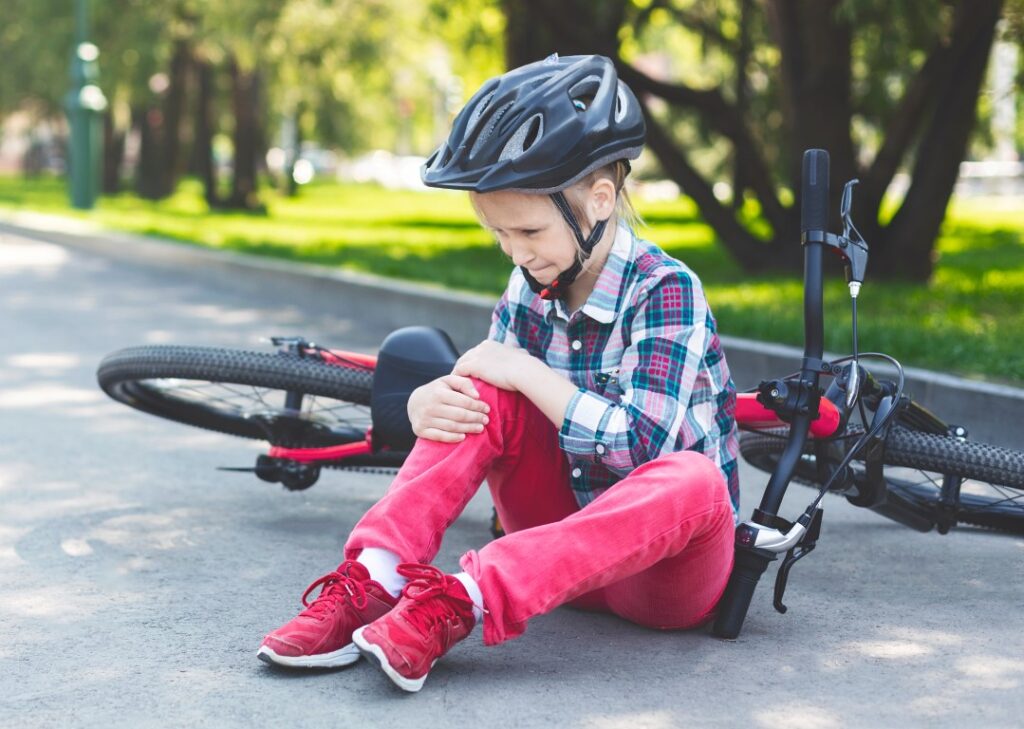
- Falls – slipping, tripping, or falling from bikes and scooters.
- Accidental trauma – such as car accidents or being struck by an object.
Because children are naturally active and adventurous, these types of injuries are relatively common during growth years.
What are Paediatric Fracture Risk Factors?
While any child can break a bone, certain factors increase the risk:
- Age and activity levels – school-aged children and adolescents are at higher risk due to sports and outdoor play.
- Periods of rapid growth – bones may be more fragile when they are lengthening quickly.
- Bone density issues – conditions such as osteogenesis imperfecta, nutritional deficiencies (e.g., vitamin D or calcium), or chronic illness can weaken bones.
- Developmental factors – coordination and balance are still developing in younger children, making them more prone to falls.
What are the Signs and Symptoms of Paediatric Fractures?
Recognising a fracture in a child can sometimes be difficult, especially in younger children who cannot clearly explain their pain. Symptoms may include:
- Pain – often immediate and worsens with movement or pressure.
- Swelling and bruising around the injured area.
- Deformity – the limb may look crooked, shortened, or out of alignment.
- Inability to use the limb – refusal to bear weight or move the arm/leg.
- Behavioural changes – younger children may become irritable, cry persistently, or avoid using the injured limb.
What are the Complications of Paediatric Fractures?
Most children’s fractures heal well, but certain complications can occur if not managed appropriately:
- Growth disturbances – injury to a growth plate can lead to slowed or abnormal bone growth.
- Angular deformity – the bone may heal at an angle if alignment is not properly corrected.
- Limb length discrepancy – one leg or arm may end up shorter than the other if the growth plate is affected.
- Joint stiffness or reduced mobility – can occur after prolonged immobilisation.
- Re-fracture risk – recently healed bones may be more vulnerable to breaking again.
Prompt diagnosis and treatment by paediatric orthopaedic specialists significantly reduces the likelihood of long-term complications. Access Ortho offers rapid appointments for musculoskeletal injuries in children and adults.
Diagnosis and Tests
How are Paediatric Fractures Diagnosed?
Diagnosing fractures in children requires a careful clinical examination that considers their unique anatomy and development. Medical staff begin by asking about the injury mechanism (e.g., fall, sports incident), followed by a physical examination looking for swelling, tenderness, deformity, and restrictions to range of motion.
In younger children, diagnosis can be more challenging as they may not communicate pain clearly. Clinicians often rely on behavioural signs—such as refusal to use a limb or persistent crying—and a thorough comparison with the uninjured side.
Which Tests do Providers Use to Diagnose Paediatric Fractures?
The main diagnostic tools include:
- X-rays – the first-line test for most suspected fractures; they are usually taken in two planes for accuracy.
- CT scans – used when more detailed images of complex fractures are required, especially around joints.
- MRI scans – helpful for detecting subtle fractures, stress injuries, or associated soft tissue damage without radiation.
- Ultrasound – increasingly used for young children, particularly for detecting fractures near the growth plate or in situations where radiation avoidance is preferred.
Paediatric Fracture Imaging Considerations
Imaging children requires special precautions:
- Radiation exposure – children are more sensitive than adults to radiation, so imaging is used only when necessary and at the lowest safe dose.
- Sedation needs – in very young children or those with severe pain, light sedation may sometimes be required to keep them still for scans.
- Age-appropriate protocols – paediatric imaging teams use modified techniques, positioning aids, and a supportive approach to minimise stress and obtain accurate results.
Growth Plate Injury Assessment
Growth plate (physeal) fractures require particular attention because they can affect future bone growth. Diagnosis involves:
- A careful physical exam is needed to detect tenderness directly over the growth plate.
- Targeted X-rays, sometimes including the opposite limb for comparison.
- Advanced imaging (MRI or CT) is used if X-rays are inconclusive, but a growth plate injury is strongly suspected.
These injuries are classified using the Salter–Harris system, which helps determine the risk of growth disturbance and guides treatment. Prompt diagnosis is essential to prevent long-term problems such as limb length discrepancy or angular deformity.
Specific Considerations
Common Paediatric Fracture Locations
Certain bones in children are more prone to injury:
- Forearm fractures – among the most common, often from falls onto an outstretched hand; may involve both radius and ulna.
- Wrist fractures – buckle and greenstick fractures of the distal radius are very common in school-aged children.
- Elbow fractures – particularly supracondylar humerus fractures, which require urgent assessment due to risk of vascular and nerve injury.
- Ankle fractures – often involve the growth plate and require careful evaluation.
- Clavicle fractures – typically from falls or sports collisions, usually treated with slings and rest.
Growth Plate Fractures in Children
Growth plate (physeal) fractures are unique to children and adolescents. They represent up to 30% of all paediatric fractures.
- Classified by the Salter–Harris system (Types I–V), which describes the severity and pattern of growth plate involvement.
- The main concern is growth disturbance, which may lead to angular deformities or limb length discrepancies.
- Prompt recognition and appropriate treatment of growth plate injuries is critical to reduce long-term complications.
Toddler Fractures
Toddler fractures are subtle, occult fractures usually seen in children aged 1–3 years:
- Typically involve the tibia after minor trauma such as stumbling or a low fall.
- Signs may be minimal—children may simply refuse to walk or limp, without obvious swelling or deformity.
- X-rays can initially appear normal, so repeat imaging or advanced modalities may be required.
- These injuries are stable and usually treated with casting or supportive care.
Sports-Related Paediatric Fractures
As children become more active in organised sports, fracture risks increase:
- Upper limb fractures are common in contact sports (rugby, football, basketball).
- Stress fractures may occur in running and jumping sports such as athletics or gymnastics.
- Prevention – includes proper coaching, protective equipment, supervised training, and ensuring rest/recovery during growth spurts.
Child Abuse and Non-Accidental Trauma
Fractures can sometimes be a sign of non-accidental trauma (NAT):
- Suspicious fracture patterns include rib fractures, metaphyseal “corner” fractures, and multiple fractures at different healing stages.
- Clinical teams must always consider the possibility of abuse, particularly in infants and toddlers with unexplained injuries.
- In Australia, health professionals are legally required to report concerns to child protection authorities for further investigation.
Management and Treatment
How are Paediatric Fractures Treated?
Treatment of children’s fractures is guided by the principle of protecting growth and function. Because children’s bones heal faster and remodel better than adult bones, many injuries can be managed without surgery. The aim is to restore proper alignment, allow safe healing, and minimise the risk of long-term complications such as growth disturbance or deformity.
Non-Surgical Treatment for Paediatric Fractures
Most paediatric fractures can be managed without an operation. Common approaches include:
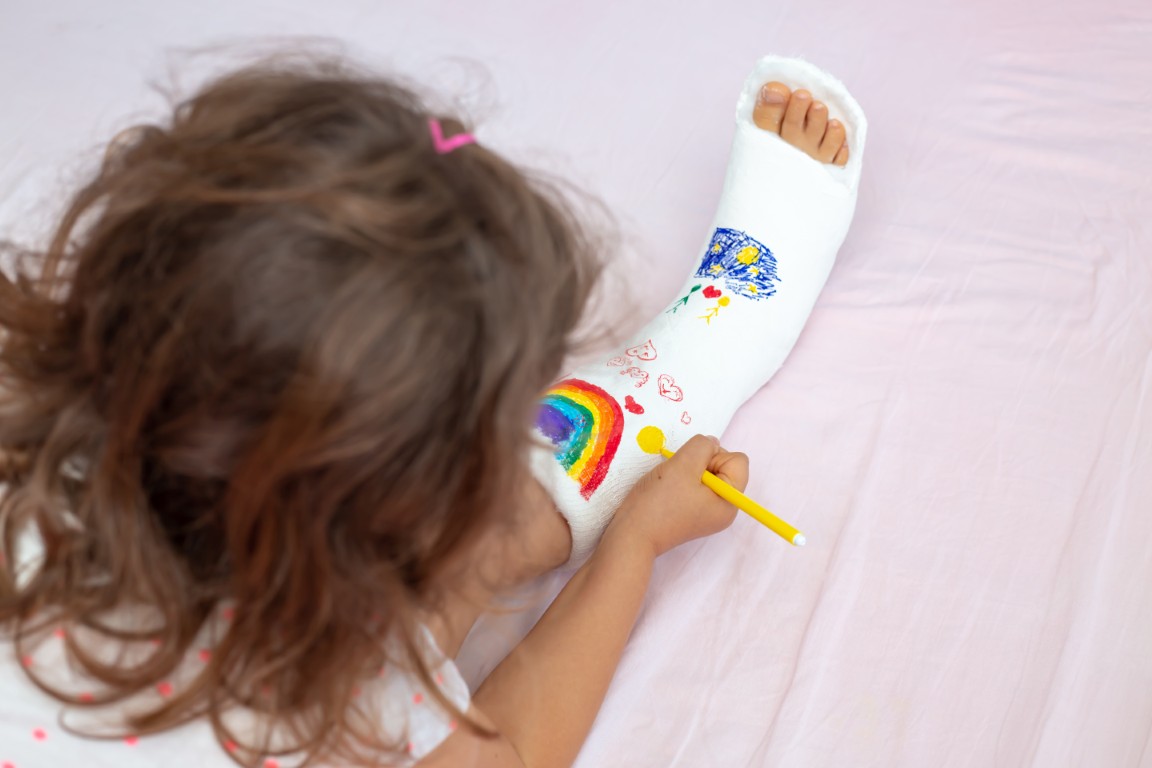
- Casting and splinting – to immobilise the bone and allow healing. Casts may be full or partial, depending on the fracture site.
- Functional bracing – sometimes used for stable fractures, allowing some controlled movement.
- Observation and follow-up – certain minor fractures may require only a splint and short-term monitoring.
Children’s remarkable healing ability means that bones often remodel naturally, even if the alignment isn’t perfect at first.
Surgical Treatment for Paediatric Fractures
Surgery is only required in a minority of cases, usually when:
- The fracture is severely displaced or unstable.
- A growth plate is significantly involved.
- There are associated injuries, such as nerve or blood vessel damage.
- Open fractures occur (bone breaks through the skin).
Surgical techniques are adapted for children, using smaller implants (such as wires, screws, or flexible nails) designed to protect growth plates. In many cases, implants are temporary and removed once the bone has healed. If surgery is required, the team at Access Ortho will help arrange this.
Paediatric Fracture Casting and Immobilisation
Casts are the most common form of fracture management in children. Key points for families include:
- Cast care – keep the cast dry and clean, and avoid inserting objects to scratch inside it.
- Waterproof options – some modern casts are water-resistant, allowing showering or swimming, but this depends on the fracture and clinic availability.
- Managing active children – children may test the limits of their cast. Parents should watch for signs of damage, skin irritation, or slipping.
Follow-up visits with repeat X-rays are often scheduled to ensure the bone is healing correctly.
Pain Management in Paediatric Fractures
Keeping children comfortable is an important part of care. Options include:
- Paracetamol or ibuprofen – safe, age-appropriate first-line medications.
- Ice packs and elevation – to help minimise swelling and discomfort in the first few days.
- Distraction and comfort strategies – story time, favourite toys, or gentle reassurance can help younger children cope.
- Stronger pain relief – occasionally prescribed for severe fractures, but generally avoided long-term in children.
Effective pain control improves comfort, reduces anxiety and supports recovery.
Prevention
How Can I Prevent Paediatric Fractures in My Child?
While not all accidents can be avoided, parents and caregivers can lower the risk of fractures through simple safety strategies:
- Encourage safe play and teach children to be aware of their surroundings.
- Provide protective equipment for sports and activities (helmets, wrist guards, shin pads).
- Promote strong bones through a balanced diet and encourage regular weight-bearing exercise.
Playground Safety and Fracture Prevention
Playgrounds are a common site for children’s injuries. Risk can be reduced by:
- Supervising play, especially for younger children.
- Choosing playgrounds with soft fall surfaces (rubber, sand, mulch) instead of concrete.
- Ensuring equipment is age-appropriate and in good condition.
- Teaching children safe ways to climb, jump, and land.
Sports Safety for Children
Sports are important for development, but injuries can occur if precautions aren’t taken:
- Use properly fitted protective gear (mouthguards, helmets, pads).
- Encourage good technique and coaching to prevent falls or collisions.
- Avoid overtraining or inappropriate competition levels for a child’s age and stage of growth.
- Ensure children have rest days to reduce the risk of stress fractures.
Home Safety Measures
Many fractures happen in and around the home. Simple childproofing steps include:
- Installing safety gates and window locks to prevent falls.
- Keeping floors clear of clutter and spills to reduce tripping hazards.
- Using non-slip mats in bathrooms.
- Supervising children on trampolines, stairs, and furniture.
Outlook / Prognosis
What Can I Expect if My Child has a Paediatric Fracture?
Most children’s fractures heal quickly and without long-term problems. With appropriate management, children usually return to full activity and sports. Parents should expect several weeks of immobilisation followed by a gradual return to normal activities.
What is the Recovery Time for Paediatric Fractures?
Recovery depends on the child’s age and the type of fracture:
- Toddlers and young children – bones can heal in as little as 3–4 weeks.
- Older children and teenagers – healing may take 6–8 weeks or longer.
- Complex or growth plate injuries – may require several months of healing and monitoring.
Long-Term Outcomes of Paediatric Fractures
Children’s bones have excellent remodelling potential, meaning even slightly misaligned fractures often straighten over time as the child grows.
Potential long-term issues include:
- Growth disturbances if the fracture involves the growth plate.
- Residual deformity or stiffness in severe cases.
- Risk of re-injury shortly after returning to activity if rehabilitation is rushed.
Most children, however, recover with no lasting impact on growth or function.
Return to Activities After Paediatric Fractures
Return to sport and play is usually guided by the treating orthopaedic team. General expectations:
- Everyday activities (walking, writing, school play) – often resume soon after cast removal.
- Sports and vigorous play – typically delayed until full strength, motion, and bone healing are confirmed (usually 6–12 weeks, depending on fracture).
- Contact sports – may require a longer break to prevent re-injury.
Clear guidance from healthcare providers ensures children return to activities safely and confidently.
When Should I Take My Child to a Fracture Clinic?
If your child has sustained a fracture, a specialist fracture clinic ensures they receive the right care for their growing bones. You should arrange a clinic appointment if:
- An X-ray has confirmed a fracture.
- A recent injury has occurred, and your child has pain, swelling or is not using the limb.
- Your child’s injury involves a growth plate or joint.
- The bone looks misaligned or deformed.
- Pain or swelling continues despite initial treatment.
- Your GP, hospital, or emergency department has advised follow-up with orthopaedics.
At Access Ortho, you can present to our clinic as your first stop or following a GP or ED visit. We provide rapid assessment and specialist care for children’s fractures in a supportive, family-centred environment. Our team ensures bones heal properly while protecting long-term growth and function.
Emergency Care for Paediatric Fractures
When to Seek Immediate Medical Attention
Some situations require urgent hospital or emergency department care rather than a fracture clinic:
- Open fractures (bone visible through the skin).
- Severe bleeding or wounds associated with the injury.
- Loss of circulation – pale, cold, or blue fingers/toes.
- Nerve injury signs – inability to move fingers/toes, numbness, or tingling.
- Severe trauma – such as from a car accident or a fall from height.
In these cases, call 000 or attend your nearest emergency department first. Once stabilised, your child can be referred to a specialist fracture clinic for ongoing care.
First Aid for Children’s Fractures
If you suspect your child has broken a bone, you can help by:
- Keeping the limb still – support with a splint or sling if available.
- Applying ice packs – to help minimise pain and swelling.
- Elevating the limb – where possible, to control swelling.
- Giving age-appropriate pain relief – such as paracetamol or ibuprofen.
- Seeking prompt medical review – either at a private fracture clinic, GP, urgent care, or hospital for X-rays and diagnosis.
Avoid trying to straighten or push a bone back into place.
What is a Fracture Clinic?
A fracture clinic is a specialised medical service where children with broken bones receive comprehensive, ongoing care. At a paediatric-friendly clinic, the team may include:
- Orthopaedic specialists experienced in children’s injuries.
- Nurses skilled in cast application and fracture management.
At Access Ortho, we offer rapid appointments, access to imaging, and treatment tailored for children and families, without the long waits often associated with hospital outpatient departments.
What to Expect at a Paediatric Fracture Clinic
Your visit to a fracture clinic is designed to be child-friendly and supportive. Families can expect:
- A welcoming environment designed to ease children’s anxiety.
- Careful review of X-rays and physical examination.
- Expert guidance on whether casting, splinting, or surgery is required.
- Clear information on recovery timelines, activity restrictions, and follow-up needs.
- Support for parents and carers to feel confident managing their child’s injury at home.
At Access Ortho, our goal is to make the experience positive and reassuring while ensuring the best possible recovery for your child.
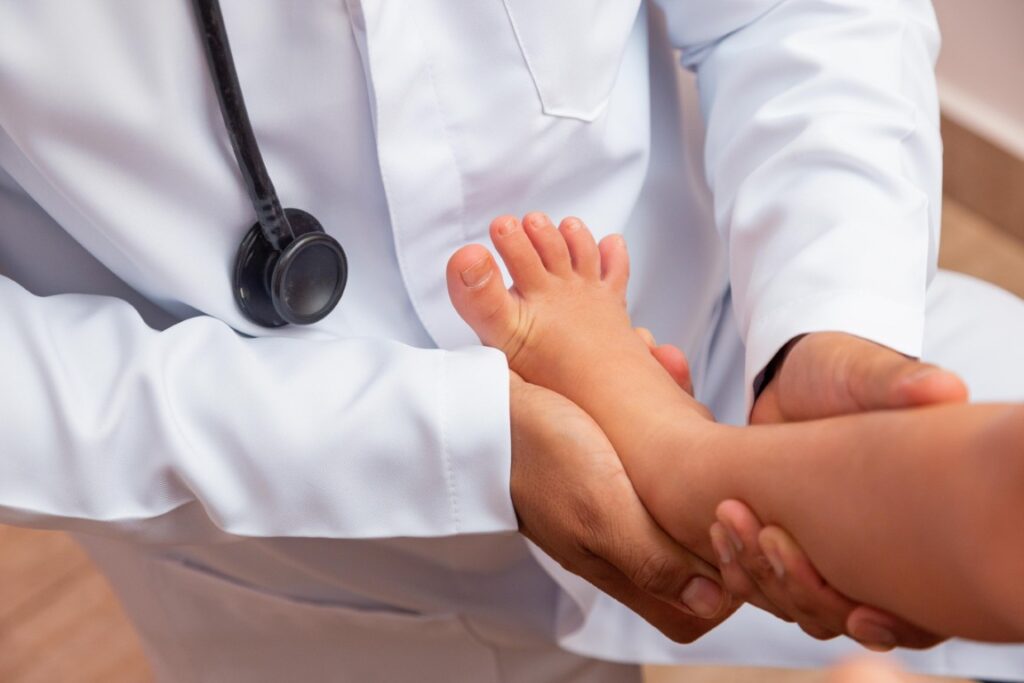
Supporting Your Child Through Fracture Recovery
Helping Children Cope with Fractures
A broken bone can be frightening for children. Parents can help by:
- Offering reassurance and explaining the healing process in simple terms.
- Keeping routines as normal as possible (school, play, social life).
- Encouraging safe activities to maintain confidence and independence.
- Recognising emotional needs – children may feel frustrated or left out while recovering.
School and Activity Modifications
While healing, children may need adjustments at home and school:
- School support – teachers may need to help with writing, carrying items, or allowing extra breaks.
- Activity restrictions – avoiding sport, PE, and playground equipment until cleared by the doctor.
- Alternative activities – quiet play, crafts, or board games can keep children engaged while limiting injury risk.
With proper support, most children adapt well and return to full participation after recovery.
Frequently Asked Questions about Paediatric Fractures
How long do children’s fractures take to heal?
Children’s bones heal much faster than those of adults. A toddler’s fracture may heal in 3–4 weeks, while older children and teenagers usually take 6–8 weeks. More complex injuries can take longer.
Will my child’s fracture affect their growth?
Most fractures heal without long-term problems. However, if a growth plate is involved, there is a risk of growth disturbance. Careful monitoring by a fracture clinic helps detect and address these issues early. It is important to attend all follow-up appointments to monitor growth plate injuries.
Can children get stress fractures?
Stress fractures occur from repetitive overuse; these can occur in active children and young athletes. Sports like running, gymnastics, and basketball are common causes.
What’s the difference between a greenstick and a buckle fracture?
- Greenstick fracture – the bone bends and cracks slightly, but the bone does not break completely.
- Buckle (torus) fracture – the bone compresses and bulges outward.
Both are unique to children’s softer, more flexible bones.
Should my child wear a cast or a brace?
This depends on the type and severity of the fracture. Some stable fractures may be treated with a removable brace or splint, while displaced or unstable fractures usually require a cast.
Can my child swim with a waterproof cast?
Some modern casts are water-resistant, allowing showering and swimming. However, not all fractures or cast types are suitable for this approach. Ask your fracture clinic if a waterproof option is appropriate.
When can my child return to sports after a fracture?
Children should only return to sport once the bone has healed, strength is restored, and they are cleared by their doctor. This typically takes 6–12 weeks, depending on the fracture. Contact sports may require a longer break.
Are paediatric fractures more serious than adult fractures?
Children’s fractures usually heal faster and remodel better than adult fractures. However, injuries involving the growth plate can be more serious due to the risk of affecting future bone growth.
How can I tell if my child has broken a bone?
Signs include pain, swelling, bruising, deformity, or refusal to use the limb. Young children may cry persistently or avoid moving the injured area. X-rays are required to confirm a fracture.
Will my child need surgery for their fracture?
Most children’s fractures are treated without surgery. Operations are only needed if the bone is severely displaced, unstable, involves the growth plate, or is an open fracture.
What happens if a growth plate is damaged?
A growth plate injury may slow or stop bone growth, causing limb length differences or angular deformity. Early diagnosis and treatment are important to minimise long-term effects.
How do I care for my child’s cast at home?
- Keep the cast dry and clean (unless waterproof).
- Do not insert objects inside the cast to scratch.
- Watch for skin irritation, swelling, or unusual odour.
- Elevate the limb in the first few days to reduce swelling.
Can fractures in children cause arthritis later in life?
Most do not. However, fractures that extend into a joint or cause joint misalignment may increase the risk of early arthritis. Proper treatment reduces this risk.
Why do children’s bones heal faster than adults?
Children’s bones have a thicker periosteum (outer bone layer) and greater blood supply, which helps them heal and remodel more quickly.
Should I give my child pain medication for their fracture?
Yes, paracetamol or ibuprofen are safe and effective for most children. Always follow age-appropriate dosing instructions. Stronger medicines are rarely required.
What activities should my child avoid with a healing fracture?
Children should avoid contact sports, playground equipment, running, or high-impact activity until cleared by their doctor. Gentle daily activities are usually fine once pain settles.
How often will my child need follow-up appointments?
Follow-up usually occurs every 1–2 weeks initially, then less frequently as healing progresses. X-rays may be repeated to ensure the bone is healing correctly.
Can my child go to school with a fracture?
Yes. Most children can attend school with a fracture, though they may need extra help with writing, carrying items, or mobility. Sports and playground restrictions may be required until healing is complete.