
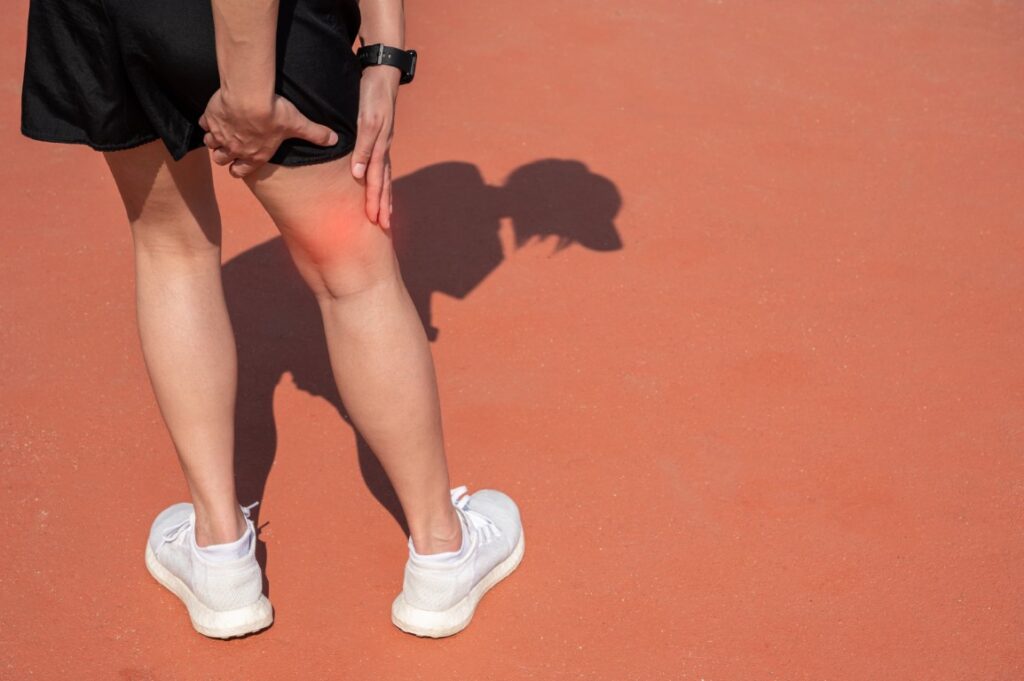
Tendon Injury Diagnosis & Treatment
Tendon problems are a frequent source of pain and loss of function, often affecting people during sport, exercise, work, or even everyday activities. Tendon injuries can range from a minor irritation to a complete rupture. Prompt assessment is important to prevent long-term weakness or other disability.
Access Ortho Brisbane & Ipswich
At Access Ortho fracture clinics in Brisbane and Ipswich, patients with suspected tendon injuries can access rapid care from orthopaedic surgeons and nurse practitioners. With rapid referrals for ultrasound or MRI and specialist-led treatment plans, Access Ortho provides a faster, more direct alternative to waiting in an emergency department.
What is a Tendon Injury?
Tendons are the bands of strong tissue that connect muscle to bone. They transfer the force of muscle contraction to create joint movement.
Tendon injuries can vary in severity:
- Tendonitis: inflammation of the tendon from overuse
- Tendinosis: chronic tendon damage from repetitive stress
- Partial tendon tear: fibres are stretched or partly torn
- Complete tendon rupture: the tendon fully detaches from the bone or muscle
Common Tendon Injuries
- Achilles tendon ruptures
- Rotator cuff tears (shoulder)
- Biceps and triceps tendon injuries
- Quadriceps tendon tears
- Wrist and hand tendon injuries
How are Tendon Injuries Diagnosed?
At Access Ortho, diagnosis includes:
- Clinical examination: assessing pain, swelling, weakness, and functional loss
- Strength and movement testing: to determine the severity of damage
- Imaging:
- Ultrasound for real-time assessment of tendon fibres
- MRI to visualise detailed tendon tears and associated joint injuries
X-rays do not show tendon damage but may be used to rule out fractures.
Outside our Service area? Consider AVA Orthopaedics for an Orthopaedic Telehealth Appointment.
Treatment for Tendon Injuries
Treatment for tendon injuries depends on the type and severity of injury:
- Mild tendonitis / overuse injuries
- Rest and activity modification
- Ice, anti-inflammatory measures, and supportive bracing
- Physiotherapy for stretching and strengthening
- Partial tendon tears
- Immobilisation in a brace or boot (e.g., Achilles tendon)
- Gradual rehabilitation with physiotherapy
- Injection therapy (platelet-rich plasma, corticosteroid) in selected cases
- Complete tendon ruptures
- Surgical repair is often recommended, particularly for Achilles, biceps, quadriceps, and rotator cuff tears.
- Post-surgical rehabilitation is essential to restore strength and mobility
At Access Ortho, our team provides rapid referral for ultrasound and MRI to confirm diagnosis and begin treatment early.
Complications of Tendon Injuries
Without proper care, tendon injuries may lead to:
- Chronic pain and stiffness
- Persistent weakness and loss of function
- Re-injury or recurrent tears
- Poor healing and scar tissue formation
- Long-term disability or early joint arthritis, if untreated
Who Should I See for a Tendon Injury?
If you suspect a tendon tear or rupture, it’s best to see an orthopaedic specialist, as they specialise in tendon and other musculoskeletal injuries.
At Access Ortho fracture clinics, you will receive:
- Rapid appointments with orthopaedic surgeons and nurse practitioners
- Referral for imaging (ultrasound, MRI) for fast diagnosis
- Tailored treatment plans – both surgical and non-surgical options
- Ongoing follow-up to monitor healing and support your recovery
Unlike emergency departments, Access Ortho offers specialist-led urgent care with shorter wait times and coordinated follow-up.
Frequently Asked Questions about Tendon Injuries
What are the symptoms of a tendon injury?
Symptoms include sudden or gradual pain, swelling, weakness, and difficulty moving the affected joint. A complete rupture may cause a “pop” and visible deformity.
How are tendon tears diagnosed?
Tendon injuries are best diagnosed with an ultrasound or an MRI. Clinical examination helps grade severity, while X-rays are used to rule out associated fractures.
Can tendon injuries heal without surgery?
Yes, mild tendonitis and small partial tears can often heal with rest, bracing, and physiotherapy. Complete ruptures usually require surgery for the best outcome.
How long does it take for a tendon injury to heal?
- Tendonitis: a few weeks with proper rest and rehab
- Partial tears: 6–12 weeks, depending on severity
- Complete ruptures: several months, especially if surgery is required
Should I go to the emergency department for a tendon injury?
Most tendon injuries don’t require the hospital ED. A fracture clinic like Access Ortho is a better option because you’ll see an orthopaedic specialist quickly, avoid long waiting times, and receive follow-up care.
What happens if a tendon tear goes untreated?
Delays in treatment may cause poor healing, ongoing weakness, reduced function, and, in some cases, permanent disability.
Who should I see if I think I’ve torn a tendon?
You should see an orthopaedic specialist. At Access Ortho, orthopaedic surgeons and nurse practitioners provide rapid assessment, imaging, and treatment for all tendon injuries.