
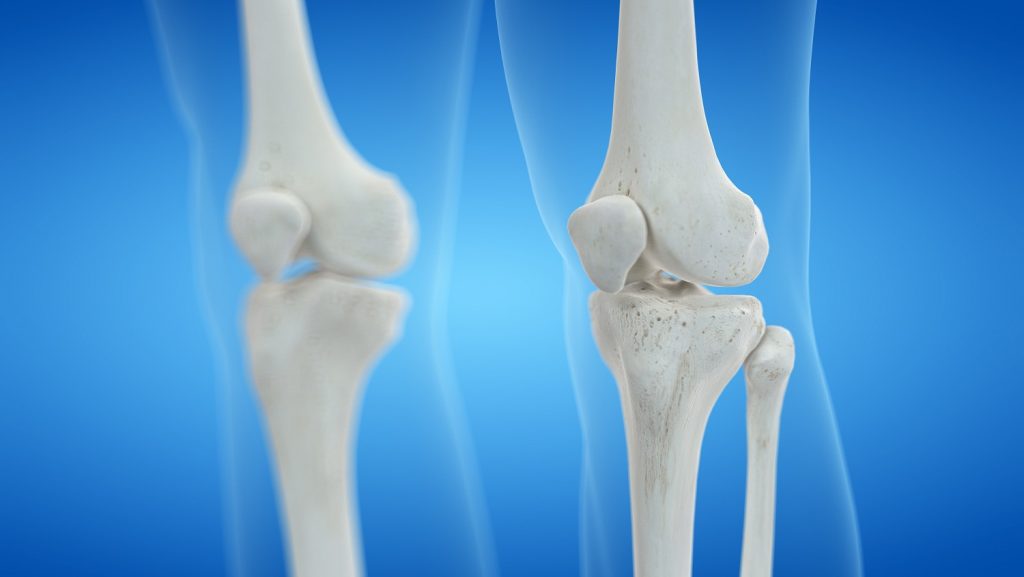
Comprehensive Guide to Understanding, Treating, and Preventing Patella/Knee Cap Dislocation
What is a Patella Dislocation?
A patella dislocation occurs when the patella, also known as the kneecap, is forced out of its natural position within the groove at the end of the thigh bone (femur). On most occasions, it shifts towards the outside (lateral side) of the knee. This happens due to trauma, twisting, or sudden directional changes.
After a patella dislocation, it sometimes relocates itself, and other times, it remains dislocated. Research estimates that it will relocate itself 50-75% of the time.
- In many first-time dislocations, especially in younger people or during sports, the patella may relocate spontaneously as the knee is straightened after the trauma.
- If there is swelling, muscle spasm, or structural damage (like a torn MPFL or bone fragment), the patella may stay dislocated until:
- A healthcare provider manually reduces it
- The swelling is managed
- The muscles relax
It may relocate or remain dislocated; either way, it is essential to seek follow-up care, especially if there is pain, swelling, or a visible deformity.
Definition of Patella (Kneecap) Dislocation
The patella sits in the femoral groove. A patella dislocation is the complete loss of contact between the patella and the femoral groove, usually as a result of a traumatic event. A subluxation can also occur, this is where the patella slips partially but not completely out of place.
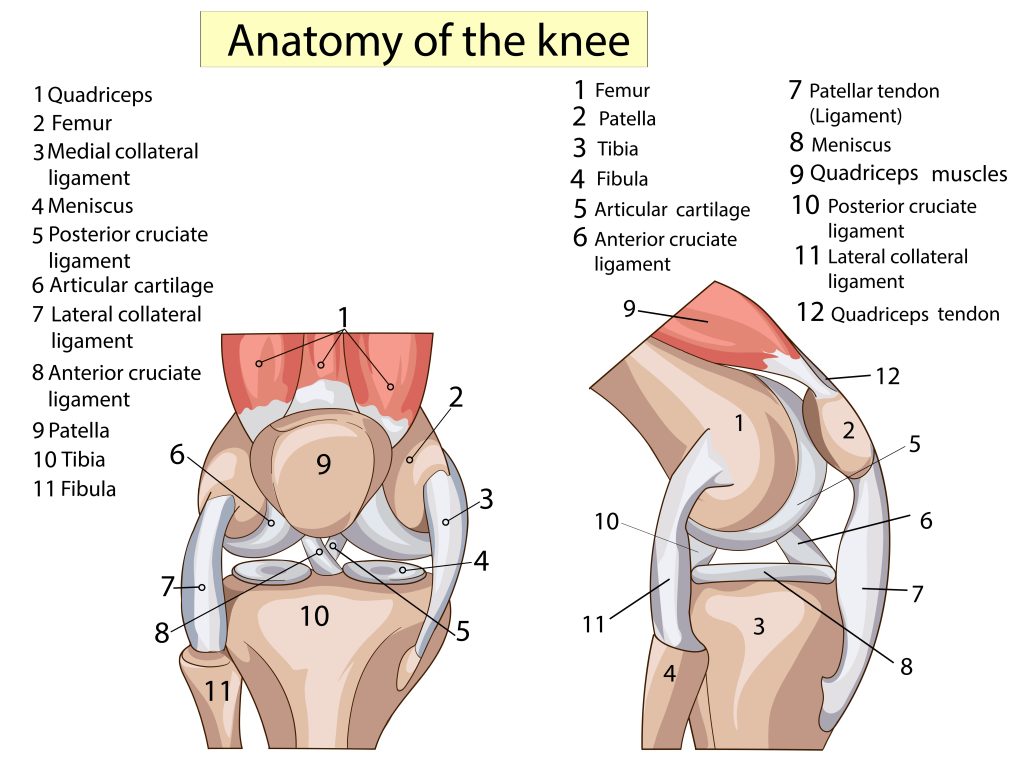
The patellofemoral joint is formed by:
- The patella (kneecap) is a small bone that is embedded within the quadriceps tendon at the front of the knee. You can feel the patella and see it move up and down as you bend and straighten your knee.
- The femoral trochlea is a groove at the lower end of the femur (Bone in the thigh) where the patella glides during knee movement.
This joint is important for the transmission of forces across the knee and is supported by many ligaments, muscles, and cartilage for smooth, stable motion.
The knee joint is complex, and any knee injuries require specialist orthopaedic care. Access Ortho offers rapid appointments with medical staff skilled in orthopaedics.
Importance of Understanding Patella Dislocations
Understanding patella dislocations is crucial because:
- They are a common injury seen in active individuals, especially adolescents and young adults, whilst playing sports.
- They can lead to recurrent instability, cartilage damage, or longer-term issues like patellofemoral pain syndrome or early osteoarthritis if not managed properly.
- Prompt and proper management reduces the risk of re-injury and improves the recovery process.
The medical team at Access Ortho understands the long-term implications of patella injuries and will ensure you receive excellent immediate care and specialist long-term care. GPs and Staff at Urgent Care centres treat all illnesses and injuries. The team at Access Ortho only treats orthopaedic/musculoskeletal injuries and are specialists in this area.
Critical Role of the Patella in Knee Function
- The patella acts as a fulcrum. It increases the lever of the quadriceps muscle, boosting strength during knee extension.
- The patella protects the anterior knee joint.
- The patella ensures smooth gliding of the tendon over the knee joint, especially during movements such as squatting, running, and jumping.
If the patella has dislocated, there is a high risk of other damage to the ligaments, muscles, and bones of the knee, which will have long-term implications for your knee health. The team at Access Ortho understands the crucial role the patella plays in knee function and ensures all complications are minimised.
Mechanism of Patella Movement and Stability
The patella moves within the trochlear groove when the knee bends and straightens. This movement and tracking improves knee stability by:
- Bony anatomy – a deep trochlear groove provides a stable track for the patella.
- Ligaments – particularly the medial patellofemoral ligament (MPFL) helps resist lateral displacement.
- Muscles—The quadriceps, especially the vastus medialis oblique (VMO), help keep the patella aligned and ensure smooth tracking, enhancing knee movement.
- Retinacular structures and cartilage also contribute to shock absorption and guided movement within the knee.
Types of Patella Dislocations
The following are different versions of patella dislocations. Each needs to be considered and managed individually. The orthopaedic team at Access Ortho will assess your injury and take a thorough history to ensure they understand your injury and your knee health.
Traumatic Patella Dislocations
- Cause: Usually caused by a direct blow or twisting injury (e.g. pivoting while the foot is planted).
- Common in: Athletes, especially teens and young adults.
- It may be associated with:
- Ligament damage (e.g. MPFL tear)
- Bone bruising or cartilage injury
- Loose bodies in the joint
- May spontaneously relocate or require manual reduction.
Recurrent Patella Dislocations
- Definition: When episodes of patella dislocation become recurrent, it often takes only minimal force to dislocate.
- Cause: Typically, this occurs when previous dislocation weakens the soft tissues. It can also occur due to underlying anatomical risk factors. For example, people with:
- Ligament laxity
- Malalignment of the patella or trochlear groove
- Weakness or imbalance in quadriceps (especially VMO)
- It is important to consider the need for physiotherapy or surgery for patients with recurrent dislocations.
Congenital Patella Instability
- This is a rare condition where patients are born with an unstable patella, as the patella never sits properly in the trochlear groove.
- It is often associated with other skeletal or neuromuscular conditions (e.g. Down syndrome, Larsen syndrome).
- Typically, it presents in early childhood and is picked up due to gait abnormalities or knee pain.
Acute vs. Chronic Dislocations
The terms acute and chronic dislocations may be used to describe a patella dislocation.
- Acute:
- Usually from a traumatic event.
- May present with significant swelling, pain, and visible deformity.
- Chronic:
- Long-standing instability. For example, recurrent dislocations
- Patients describe the patella as “slipping out” during daily activities.
- If it keeps occurring, it can lead to progressive damage to cartilage and joint surfaces.
Partial vs. Complete Dislocations
Dislocations are described as partial or complete. It is important to note that any patella dislocation requires follow-up orthopaedic care to ensure there is no damage to the knee and to prevent recurrent dislocations.
- Partial Dislocation (Subluxation):
- The patella shifts out of place but doesn’t fully dislocate.
- It may relocate itself quickly.
- It can still cause pain, swelling, and a feeling of instability.
- Complete Dislocation:
- The patella completely leaves the trochlear groove.
- Often requires reduction (either spontaneous or assisted).
- Usually more painful and associated with more tissue damage.
Associated Anatomical Variations
Some people are born with anatomical features that can increase the risk of dislocations. The following are terms you may hear in association with patella dislocations. The presence of any of these features means the patella can dislocate more readily than in other people.
- Shallow or flat trochlear groove (trochlear dysplasia)
- High-riding patella (patella alta)
- Increased Q-angle (wider hips or knock-knees)
- Ligament laxity or hypermobility (e.g. Ehlers-Danlos syndrome)
- Malalignment of lower limb (rotational or angular deformities)
How Common Are Patella Dislocations?
Patella dislocations account for 2–3% of all knee injuries. The most common age group affected is adolescents and young adults, particularly ages 10–20. They occur more commonly in females, likely due to a higher Q-angle and joint laxity.
Up to 29–43% of cases are related to sports, especially those involving jumping, pivoting, or quick direction changes (e.g. netball, soccer, basketball).
It is important to be aware that 15–44% of patients may experience recurrent dislocations after a first dislocation. Expert orthopaedic care and proper rehab are important to help prevent recurrent dislocations and minimise this risk.
Symptoms and Causes
Symptoms of Patella Dislocation
The following is a list of symptoms you may experience following a patella dislocation.
- Sudden, sharp knee pain at the time of injury
- Visible displacement of the kneecap (usually to the outer side)
- Swelling and bruising around the knee
- An inability to move the knee fully or fully weight bear
- A feeling of instability or “giving way” when standing or walking
- Tenderness along the inside edge of the knee
- Popping or tearing sensation at the time of dislocation
- After relocation (spontaneous or assisted):
- Persistent ache or discomfort
- Fear of movement or feeling like it might happen again
If you experience any of these symptoms, it is important to seek orthopaedic care rapidly. Access Ortho offers rapid appointments for acute injuries.
What Causes Patella Dislocations?
Patella dislocations are common in sports and may also be caused by anatomical issues. The following lists some of the common causes of patella dislocations.
- Sudden twisting movements (e.g. pivoting or changing direction quickly)
- Direct trauma to the front or side of the knee
- Structural predispositions (e.g. shallow trochlear groove, high-riding patella)
- Muscle imbalances, especially weak or poorly coordinated quadriceps
- Ligament laxity or hypermobility
- Sports injuries, particularly in jumping or pivoting sports
- Genetic factors that affect joint alignment and soft tissue stability
Patella Dislocation Risk Factors
The following is a list of factors that can increase your risk of patella dislocations.
- Age: There is a higher incidence of patella dislocations in adolescents and young adults
- Previous knee injuries: A past dislocation increases the risk of recurrent dislocations
- Anatomical issues: Patients with certain anatomical features such as patella alta, flat trochlear groove, or increased Q-angle have a higher risk of dislocation
- Muscle weakness: Patients with weakness in the muscles around the knee especially in the quadriceps, have a higher risk of patella dislocation
- Hypermobility: Certain conditions like Ehlers-Danlos Syndrome increase joint laxity, which places patients at a higher risk of patella dislocation
- Sports: Activities involving jumping, pivoting, or sudden direction changes lead to a greater number of patella dislocations
- Gender: Females are more at risk of patella dislocations than males; this is due to anatomy and ligament laxity
Complications of Untreated Patella Dislocations
If specialist orthopaedic care is not received after a patella dislocation, there is a greater risk of complications. You must seek care from a medical practitioner skilled in orthopaedics who understands the long-term complications that can arise if your injury is not treated appropriately. Access Ortho are specialists in caring for orthopaedic injuries such as patella dislocations. Access Ortho offers rapid appointments for acute concerns as well as follow-up orthopaedic care, minimising the risk of complications such as:
- Chronic knee instability – frequent “giving way” or slipping sensation
- Cartilage damage – increased wear on joint surfaces
- Recurrent dislocations – increased risk of further dislocations after the first episode
- Persistent pain – ongoing discomfort or aching around the kneecap
- Reduced joint function – difficulty with bending, squatting, or running
- Long-term mobility limitations – impact on daily and athletic activities
- Early-onset osteoarthritis – due to joint surface deterioration over time
How Are Patella Dislocations Diagnosed?
Diagnosing a patella dislocation requires a history, physical examination, and radiological tests. The staff at Access Ortho are skilled in the assessment of orthopaedic injuries and will help ensure you receive an accurate diagnosis.
The following steps are used in the diagnosis of injuries:
- Patient history – details of injury mechanism and previous episodes will be discussed with the patient, as well as other medical history, lifestyle factors and activity demands
- Physical examination – the medical practitioner will check for swelling, deformity, and tenderness and compare to the non-injured side
- Range of motion tests – a variety of specific tests will be used to assess movement limitations and pain, as well as ligament testing
- Stability and tracking tests – the medical practitioner will evaluate how the patella moves in the groove
- Functional screening – the medical practitioner will observe walking, squatting, stairs and other movements you may be having difficulty with
Diagnostic Tests for Patella Dislocations
It is very common to order radiology tests to assist with the confirmation of diagnosis. These may include one or more of the following:
- X-ray – checks for bone alignment and any associated fractures
- MRI – evaluates soft tissue damage (e.g. MPFL tears, cartilage injuries)
- CT scan – assesses bone structure and alignment in more detail
- Ultrasound – may be used to examine dynamic patellar movement
- Specialised imaging – includes skyline or axial views for patella tracking
- Reducing long-term complications
Role of Fracture Clinics (e.g. Access Ortho) in Patella Dislocation Diagnosis
Fracture clinics like Access Ortho are specialist musculoskeletal services that provide streamlined, expert care for acute injuries — including patella dislocations. They provide initial injury management and longer-term orthopaedic follow-up. Unlike GPs, emergency departments, and Urgent Care centres, Access Ortho only treats orthopaedic injuries. Therefore, you know you are getting specialist care for your injury.
At a fracture clinic such as Access Ortho, you will get the following:
Rapid Access to medical staff who are skilled in Orthopaedic injuries
- Patients are seen by practitioners with specific expertise in bones, joints, and soft tissue injuries.
- This provides more accurate and timely diagnosis compared to general medical settings.
- There is no need to get a referral, so your first presentation to a medical practitioner can be at Access Ortho, saving you from seeing multiple providers
Comprehensive Assessment
- Includes detailed physical exam and referral for radiology
- The staff will focus on making an accurate diagnosis, detecting subtle instability or anatomical contributors, assessing associated injuries, and helping minimise complications.
Referral for Imaging
- X-rays, ultrasounds, and advanced imaging referrals like MRI or CT will be provided when needed. Access Ortho clinics are located close to radiology practices to assist with timely imaging and results.
- Ensures accurate diagnosis of associated injuries (e.g. fractures, MPFL tears, loose bodies).
Efficient Follow-up
- Regular reassessments will be conducted by the same clinical team led by orthopedic surgeons.
- Monitoring of recovery progress and adjustment of treatment as needed.
Individualised Treatment Plans
- Tailored treatment programs involving physiotherapy referrals, bracing, or surgical referrals if required.
- Early intervention to prevent recurrent dislocations or long-term complications.
Continuity of Care
- Unlike ED or urgent care, fracture clinics provide ongoing management under one roof.
Why Choose a Fracture Clinic Like Access Ortho?
- Ideal for urgent musculoskeletal injuries
- Get orthopaedic advice immediately
- Reduces the need for lengthy hospital waits or bouncing between services
- Offers a faster, more coordinated path to recovery
- It is particularly beneficial for first-time dislocations, recurring instability, or unclear diagnosis
Management of patella dislocations
Reduction of the Dislocation – It is important that this happens as soon as possible.
- If the patella hasn’t relocated on its own, a trained professional will perform a manual reduction, usually done in the ED setting.
- This is usually done under appropriate pain relief or sedation.
Immobilisation
- After reduction, manually or spontaneously, the knee may be placed in a knee brace or splint (e.g. Zimmer splint) to protect the joint and soft tissues.
- Short-term immobilisation (1–3 weeks) is typical, followed by guided movement.
Pain and Swelling Control
- Ice, elevation, and over-the-counter or prescribed anti-inflammatory medications can help reduce pain and swelling.
Rehabilitation and Physiotherapy
- Early physio input is crucial to restore:
- Quadriceps strength, especially VMO
- Patella tracking control
- Hip and core stability
- Range of motion
- Rehab helps reduce the risk of recurrent dislocations and supports a safe return to sport or activity.
Bracing and Support
- A patella stabilising brace or taping may be recommended during recovery, especially during sport.
- Custom bracing may be recommended for people with structural instability.
Surgical Management (if indicated)
If surgery is required, the Access Ortho staff will arrange this in the public or private setting.
Surgery may be considered if:
- There are recurrent dislocations
- There is significant ligament damage (e.g. torn MPFL)
- There are loose bone/cartilage fragments
- There are underlying anatomical abnormalities (e.g. trochlear dysplasia, patella alta)
Common surgical procedures include:
- MPFL reconstruction
- Lateral release
- Tibial tubercle transfer
- Trochleoplasty (in selected cases)
Return to Activity and Prevention
Working with your medical team on your return to activity and recurrent dislocation prevention strategies is important. Access Ortho will tailor your plan to your injury and needs.
Most patients can return to sport or normal activity once:
- Strength and function are restored
- There is no instability or pain
- A physio-led functional assessment is passed
Education on injury prevention, such as strengthening, neuromuscular control, and proper warm-up techniques, is essential.
Rehabilitation and Recovery
The steps of rehabilitation will vary based on your injury and progress. You must work with your orthopaedic team to determine your capabilities. The following is a guide only.
Progressive Healing Stages
Recovery typically follows a phased progression over weeks to months:
- Acute Phase (0–2 weeks) – focus on pain control, reducing swelling, and gentle movement
- Subacute Phase (2–6 weeks) – begin range of motion exercises and light activation of the quadriceps
- Reconditioning Phase (6–12 weeks) – build strength, improve control, and restore movement patterns
- Return to Activity Phase (12+ weeks) – sport-specific training and injury prevention strategies
Strength and Stability Training
- Target quadriceps strengthening, especially the vastus medialis oblique (VMO)
- Include hip, core, and glute stability to reduce lateral knee stress
- Use progressive resistance exercises to restore confidence and control
Range of Motion Restoration
- Early, guided stretching and mobility work is important
- Focus on regaining full flexion and extension of the knee
- Avoid forced motion in the early stages to protect the tissues around the knee that are healing
Functional Movement Retraining
- Retrain basic functions like walking, squatting, and stairs
- Progress to dynamic balance skills and proprioception drills
- Emphasise controlled movement under load and when fatigued
Sport-Specific Rehabilitation
- Gradual return to cutting, pivoting, jumping, or impact activities specific to your sport
- Simulate real-game movements and progress intensity over time.
Psychological Recovery Strategies
- Patella dislocations often lead to a fear of re-injury or a loss of confidence in the knee. Therefore, rehabilitation is essential to improving strength and skills.
- If needed, incorporate goal-setting, reassurance, and mental skills coaching before returning to sport.
- Physiotherapists may collaborate with sports psychologists if needed.
Role of Fracture Clinics in Rehab and Recovery
Clinics like Access Ortho provide:
- Continuity of care from diagnosis to complete recovery
- Specialist orthopaedic care
- Advice on rehabilitation
- Referral for surgery if required
- Regular review of progress and early escalation if recovery plateaus
- Support in transitioning from rehab to sport or full activity
Prevention Strategies
To help prevent dislocations, the following are important:
- Warm up properly before physical activity
- Do strength and conditioning training, focusing on lower leg strength
- Train knee stability and control specific to your sport
- Get a biomechanical assessment if at risk
- Improve movement techniques (e.g. landing, pivoting) specific to your sport
- Use braces or taping when needed, especially if you have had a previous dislocation
- Follow sport-specific injury prevention programs and complete all rehabilitation required before returning to sport
Outlook and Prognosis
Recovery Expectations
Most people recover well from patella dislocations with conservative treatment and rehabilitation.
Full recovery is possible, especially after a first-time dislocation. However, recurrent dislocations need to be considered separately and require dedicated orthopaedic care to prevent further problems.
Typical Recovery Timelines
- 6–12 weeks for general recovery
- 3–6 months for return to full sport, depending on severity
This will vary greatly depending on the cause of injury, pre-injury activity levels and the sport and activity you are trying to return to. The staff at Access Ortho will work closely with you to help ensure your return to activity is smooth and complication-free.
Factors Influencing Healing
The main things that will influence your healing and recovery after a patella dislocation are:
- The severity of injury (e.g. associated soft tissue or cartilage damage)
- Presence of anatomical risk factors
- Quality of rehabilitation and adherence to your strength and recovery program
- History of previous dislocations
Long-Term Joint Health Considerations
The following are complications that need to be considered to ensure an active lifestyle in the future.
- Risk of recurrent dislocation, especially in young, active individuals
- Potential for patellofemoral pain or osteoarthritis if untreated or poorly managed
Potential for Complete Functional Recovery
With proper rehabilitation, including strength training, proprioception, and sport-specific skills, most patients will make a complete recovery. In recurrent or complex cases, surgery may be required. If this occurs, recovery is also possible with strict adherence to rehabilitation and orthopaedic follow-up.
Return to Activity
Criteria for Resuming Sports
Your ability to return to sport will depend on the injury, the sport and your level of participation. You need to be assessed following your rehabilitation to ensure you are ready to return, and this should be gradual and closely monitored. Ideally, this is what will need to occur prior to returning to sport:
- Full pain-free range of motion
- Strength and stability equal to the uninjured side
- No feelings of instability or giving way
- Cleared by physio or specialist
Most people return to pre-injury levels with no limitations; rebuilding confidence may take some time.
When to Seek Professional Help
Knowing when you need medical help for an injury can be hard. The following are guidelines for when you may need help for a patella dislocation:
Signs of Severe Injury
- Obvious kneecap deformity or dislocation
- Inability to fully straighten or weight-bear on the leg
- Severe swelling or bruising
- Feeling or hearing a pop at the time of injury
Persistent Instability
- The knee frequently feels like it might “give way.”
- Ongoing wobbliness or lack of confidence in movement
- Kneecap shifting or sliding out of place during activity
Recurring Dislocation Symptoms
- Multiple episodes of patella dislocation or subluxation
- Symptoms triggered by normal movement or mild activity
- Pain or apprehension during kneeling, squatting, or pivoting
Professional Assessment Recommendations
- Get assessed by a fracture clinic or orthopaedic specialist (e.g. Access Ortho)
- Early referral allows access to targeted rehab, imaging, and treatment planning
- Don’t rely solely on rest — proper rehab helps prevent long-term issues
Red Flags Requiring Immediate Attention
- Suspected fracture or bone fragment
- Severe, unrelenting pain or numbness in the leg
- Signs of vascular or nerve compromise (e.g. cold foot, tingling)
- Kneecap that won’t relocate or stays visibly out of place
IMPORTANT: If symptoms don’t resolve quickly or instability continues, it’s important to seek timely care to avoid chronic issues or further injury. Access Ortho offers rapid appointments for acute injuries, so if you are concerned, call Access Ortho today.
Benefits of Attending a Fracture Clinic
Benefits of Attending a Fracture Clinic
Specialist Assessment
- Seen by clinicians with expertise in bone, joint, and soft tissue injuries
- Accurate diagnosis of both the dislocation and any associated damage
Access to Imaging
- Referral for X-rays, MRI, or CT scans
- Ensures no fractures or soft tissue injuries are missed
Coordinated Care
- Direct link to orthopaedics, bracing, splints and referral to physiotherapy
- Streamlined treatment plans from diagnosis to full recovery
Orthopaedic Follow-Up
- Personalised orthopaedic treatment plans based on the type and severity of injury overseen by orthopaedic surgeons
- Follow-up care to monitor progress and minimise complications
Affordable
- Affordable, rapid orthopaedic care without the need to see multiple providers, saving you money
- Rapid, accurate diagnosis and treatment without the high costs of private emergency departments and without the wait times to see a surgeon in their private rooms.
Faster Recovery
- Early intervention reduces the risk of chronic instability, pain, or osteoarthritis
- It avoids delays common with general pathways via ED or GP
Continuity and Convenience
- Ongoing follow-up with the same team
- It avoids multiple referrals and unnecessary wait times
Fracture clinics like Access Ortho offer a faster and more effective alternative to traditional care pathways—ideal for managing injuries like patella dislocations.
How does this relate to Runner’s Knee (Patellofemoral Pain Syndrome)
Patellofemoral pain syndrome (PFPS) is a common condition also known as Runner’s Knee. It causes pain at the front of the knee, especially around or behind the patella (kneecap). It’s typically caused by repetitive stress, poor patellar tracking, or biomechanical imbalances.
How Common is Runner’s Knee?
- Accounts for up to 25% of all knee injuries seen in sports medicine clinics.
- Seen in up to 30% of female athletes and 20% of male athletes, especially runners.
- It is most common in runners, cyclists, dancers, and those doing repetitive knee bending.
- It mainly affects teenagers and younger adults. However, it can occur at any age.
- Often linked to training errors, poor biomechanics, or muscle imbalances.
Key Symptoms
- Dull, aching pain around the kneecap
- Pain worsens with running, squatting, stairs, or prolonged sitting
- Occasional grinding or clicking, but no true dislocation
How It Relates to Patella Dislocations
Both Runner’s Knee and Patella dislocations involve the patellofemoral joint and often share similar contributing factors, such as:
- Poor patella tracking
- Quadriceps or hip weakness
- Increased Q-angle or poor alignment
People with a history of patella dislocation may develop runner’s knee symptoms due to residual instability or abnormal movement patterns.
In both conditions, rehabilitation focuses on muscle balance and joint control.
How It Differs from Patella Dislocation
| Runner’s Knee | Patella Dislocation |
| Overuse-related condition | Acute traumatic injury (or recurrent instability) |
| The patella remains in the joint | The patella moves completely out of the groove |
| Pain is dull and gradual | Pain is sudden and sharp |
| No true instability | Instability and risk of recurrence are common |
| Treated with physio and load management | It may require bracing, imaging, or even surgery |
Bottom Line
While runner’s knee and patella dislocation affect the same joint and can share risk factors, they are different in cause, severity, and management. However, proper rehab after a dislocation is key to avoiding ongoing issues like runner’s knee.The medical team at Access Ortho can assist with diagnosing your acute knee pain.
Commonly Asked Questions
How long does patella dislocation recovery take?
Recovery from a patella dislocation usually takes 6–12 weeks but may take longer if complications occur or if there are repeat dislocations.
Can a dislocated kneecap heal completely?
Yes, full recovery is common after a first-time dislocation, especially with proper rehab and management. It is important to get specialist medical advice to aid in this recovery.
What are the most effective rehabilitation exercises?
Targeted quadriceps strengthening (especially VMO), hip and core stability, and balance/proprioception drills are key. You should see a physiotherapist for guidance on your exercises and progression.
How can I prevent future patella dislocations?
You can help prevent future patella dislocations by strengthening supporting muscles, correcting movement patterns, and addressing biomechanical risk factors with physiotherapy.
When should I go to the emergency room?
If your kneecap is visibly out of place, you can’t move or bear weight, or the pain is severe — go to the ED immediately.
Are surgical interventions always necessary?
Surgery is not always needed for patella dislocations— most first-time dislocations are treated conservatively. Surgery is considered for recurrent or complex cases.
What are the long-term effects of a patella dislocation?
Without proper rehab, the long-term effects of patella dislocations are chronic instability, recurrent dislocations, and early osteoarthritis.
How painful is a knee cap dislocation?
A knee cap dislocation can be very painful. It typically causes sudden, sharp pain, swelling, and difficulty moving the knee.
Can I return to sports after a patella dislocation?
Yes, you can return to sport after a patella dislocation following a guided rehab program. A gradual reintroduction and clearance by a physio or specialist is important.
What immediate steps should I take if my kneecap dislocates?
- Stop activity immediately
- Keep the knee straight if possible
- Apply ice and elevation
- Seek urgent medical attention
How do I know if my dislocation is serious?
Signs of a serious injury include:
- Visible deformity
- Inability to straighten the knee
- Swelling, bruising, or numbness
- History of repeated dislocations
What increases my risk of patella dislocation?
- Previous dislocation
- Weak quads or hip muscles
- Hypermobile joints
- Anatomical issues like a shallow trochlear groove or high-riding patella
Who should I see if I suspect I dislocated my patella?
After initial care at the ED, if your kneecap needs relocating or after a knee injury where the patella self-relocated, follow up with a fracture clinic or musculoskeletal injury specialist for proper diagnosis and rehab (e.g., Access Ortho).