
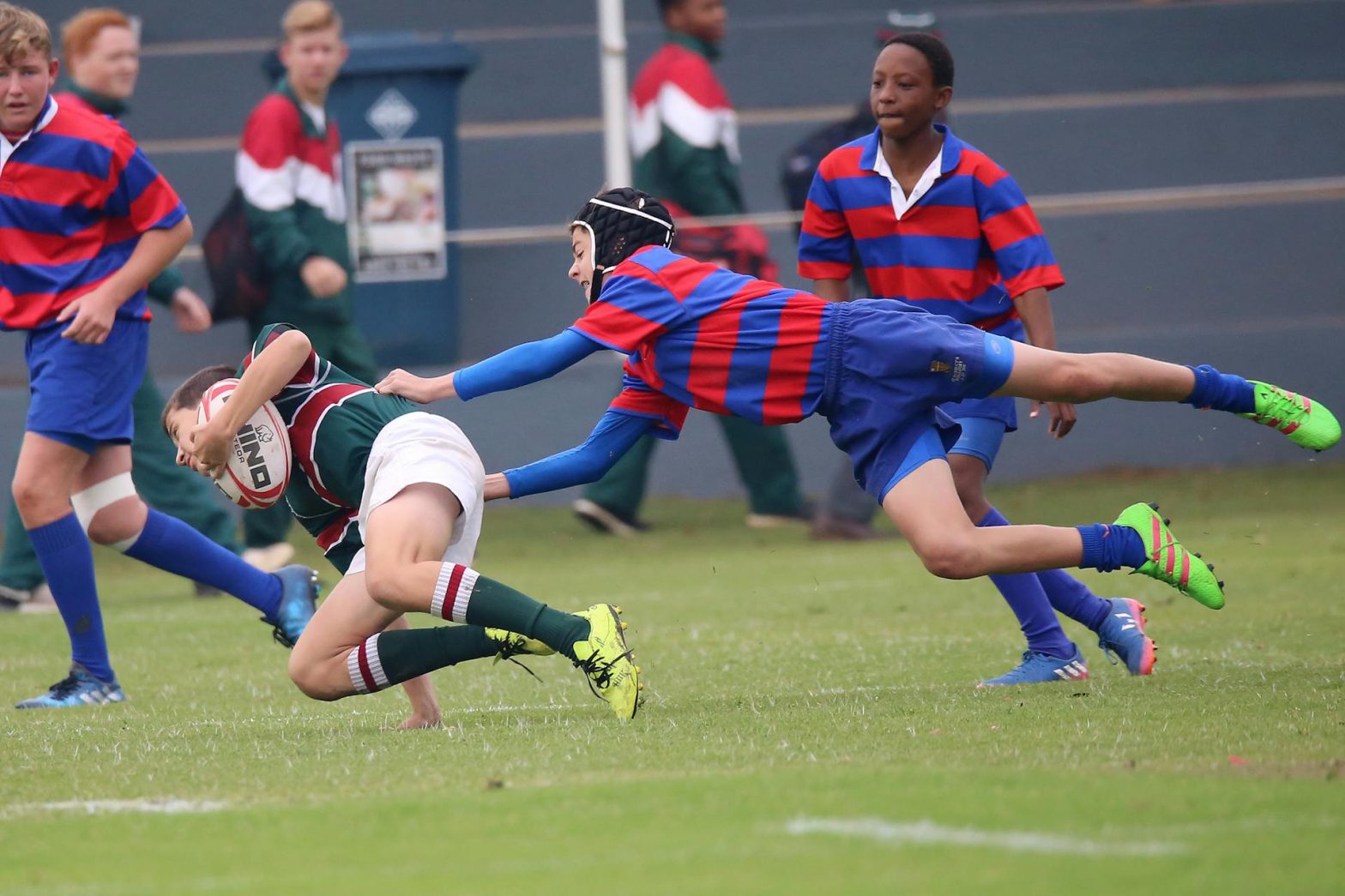
The mother of a young male contacted us, very concerned, as he had just seen his GP and was told that he had a tibial plateau fracture. The tibial plateau is at the top of the tibia and makes up the lower portion of the knee joint. The mother’s main concern was that the injury had occurred 2 weeks prior and only had just been diagnosed. She was concerned about the damage he could have sustained as he continued to walk and run on the injury. We arranged a same-day appointment for the patient.
When the patient and his mum presented to the clinic, a history was taken. The young man had been involved in a rugby tackle two weeks prior. He continued playing the last 10 minutes of the game. The following week, he attended cross-country training a couple of times. He saw his GP 2 days ago due to ongoing pain with strenuous activity. The GP had ordered an MRI as he was concerned there may have been an ACL tear. The patient returned to the GP today and was informed that there was no ACL damage. However, the MRI confirmed a subchondral fracture of the lateral tibial plateau. The GP recommended that they present to the emergency department for care. However, the mother had searched for fracture care in Brisbane and found Access Ortho.
On physical assessment, the knee was not swollen, and it was non-tender.
The patient and his mother were very concerned that he had continued to run and train on what was now known to be a fracture. The medical team at Access Ortho reassured them that, thankfully, the activity had not caused further damage to the knee, as the fracture remained stable and non-displaced.
As walking was painful, crutches were provided, but bracing was unnecessary. The patient was advised to avoid all impact activities for 6-8 weeks.
6 WEEK REVIEW
We reviewed the patient back in the clinic with the orthopaedic surgeon six weeks later. The patient’s pain level had improved markedly, and an updated X-ray showed excellent healing and no joint collapse.
The patient was advised to continue to avoid impact activities until 12 weeks following his injury. The Rugby season was now over, so he was not returning to rugby but hoped to start volleyball trials at the end of the following term. The patient was advised he could do this; however, prior to starting trials, it was recommended that he gradually return to jumping and running activities.
The patient was advised to contact the clinic if he had any concerns, but he was expected to make a full recovery.
IMPORTANT NOTES:
It is not uncommon at Access Ortho that we see patients with a delayed presentation, with fractures that have been missed for a variety of reasons. Typically, this is due to the injury not causing high pain or dysfunction or the fracture being missed on the X-ray.
Patients have concerns when they present a few weeks or days after an injury and discover they have a fracture. Thankfully, most fractures do not have additional problems if diagnosis is delayed. However, it is important that if you have ongoing pain, changes in symptoms or any symptoms that cause you functional issues, you seek urgent medical care. Access Ortho offers rapid appointments for acute injuries, ensuring you get direct access to orthopaedic advice, minimising a delay to diagnosis. It is important to note that if you have missed getting an early diagnosis, it is OK. Contact Access Ortho, and we will ensure you get on the road to recovery quickly.
There is no immediate need to go to the Emergency Department just because you have a fracture. Typically, most fractures can be managed out of the hospital setting. Attending Access Ortho means you will be getting care from experts in orthopaedic injuries, and follow-up care will be arranged for you with an orthopaedic surgeon. Often, when you go to the ED, they will be able to give you an initial diagnosis and immediate care, such as a temporary cast or crutches and will then recommend you see an orthopaedic surgeon. You will be left trying to find a surgeon to accept your referral which can take many calls, and appointments are usually unavailable for a few weeks. Contacting Access Ortho as your first option means you get a rapid diagnosis and orthopaedic care and advice immediately. Access Ortho also provides follow-up care for you.