

Complete Guide to Ligament Injuries and Tears In The Knee
What is a Knee Ligament Injury/Tear?
A knee ligament injury or tear involves damage to one or more of the strong tissues that connect the various bones in your knee joint. These ligaments provide stability to your knee and, when torn or injured, can significantly impact your mobility and quality of life.
When Do Knee Ligament Injuries Occur?
Knee ligament injuries occur when the tough, fibrous bands that connect the bones of your knee joint are stretched beyond their normal range or tear partially or completely. These injuries range from mild sprains to full ruptures that may require surgical intervention.
What are the Types of Knee Ligament Injuries/Tears?
The knee has four major ligaments, each of which can sustain different types of injuries:
ACL (Anterior Cruciate Ligament) Tears
- The ACL is a key ligament stabilising the knee, particularly during pivoting movements.
- Tears often occur during sudden stops, changes in direction, or landing awkwardly from a jump (common in sports like soccer, skiing, and basketball).
- Symptoms include a popping sound which may be heard at the time of the injury, rapid swelling, instability (feeling the knee ‘giving way’), and pain.
- Treatment varies from physiotherapy to surgical reconstruction, depending on severity and patient activity level.
PCL (Posterior Cruciate Ligament) Tears
- The PCL is the strongest knee ligament, preventing the shinbone (tibia) from moving too far backwards.
- Injuries typically happen from a direct blow to the front of the knee (like a dashboard injury in a car accident) or falling on a bent knee.
- Symptoms are often milder than an ACL tear, with swelling, pain behind the knee, and instability when walking downhill or descending stairs.
- Many PCL tears can be managed non-surgically with bracing and physiotherapy, but severe tears may require surgery.
MCL (Medial Collateral Ligament) Tears
- The MCL provides stability to the medical (inner) side of the knee.
- Tears often result from a direct force to the outside of the knee, causing the knee to buckle inward (valgus force).
- Symptoms include pain, tenderness, and swelling along the inside of the knee, with difficulty in bending or extending the leg fully.
- Most MCL injuries heal well with rest, bracing, and physiotherapy, and surgery is rarely needed unless combined with other ligament injuries.
LCL (Lateral Collateral Ligament) Tears
- The LCL stabilises the outer (lateral) side of the knee.
- Injury usually occurs from a blow to the inside of the knee, forcing it outward (varus force).
- Symptoms involve pain, swelling, and instability on the knees outer side.
- LCL injuries are not as common than MCL injuries and often occur alongside other ligament or nerve injuries. Treatment ranges from conservative management to surgical repair for severe tears.
Combined Ligament Injuries
- Combined ligament injuries involve tearing two or more knee ligaments, often resulting from high-impact trauma (e.g., motor vehicle accidents, major sports injuries).
- These injuries cause severe knee instability, significant swelling, and difficulty bearing weight.
- Combined injuries often damage surrounding structures, such as the menisci, cartilage, or blood vessels, increasing the complexity of treatment.
- Management typically requires surgery followed by an extensive rehabilitation program to restore function.
Access Ortho treats all knee ligament injuries and offers rapid orthopaedic appointments.
How Common are Knee Ligament Injuries/Tears?
Knee ligament injuries are among the most common orthopaedic injuries. ACL tears alone affect approximately 200,000 Australians each year, making them a significant cause of knee instability and disability.
These injuries are common in athletes and physically active individuals involved in sports that require pivoting, sudden stops, or direct contact (such as football, soccer, skiing, and basketball).
MCL injuries are often more common than ACL tears in contact sports.
PCL and LCL tears are comparatively less common but tend to occur in higher-energy trauma like motor vehicle accidents or severe sports injuries.
Combined ligament injuries are rarer but represent some of the most serious knee injuries, often requiring surgical intervention and longer recovery times.
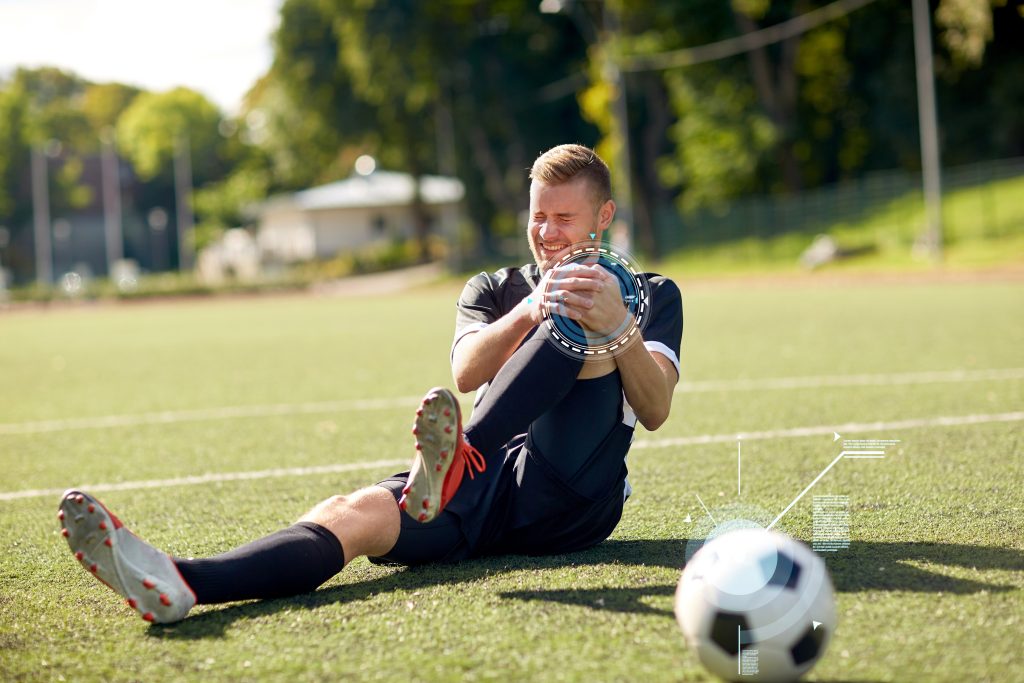
Symptoms and Causes
Common Symptoms of Knee Ligament Injuries
- Pain
Sudden and sharp at the time of injury.
The extent of pain will vary in severity depending on the ligament involved.
- Swelling
Usually, it develops rapidly within hours (especially for ACL and PCL injuries).
Milder swelling may occur with MCL or LCL tears.
- Instability or “Giving Way”
A feeling that the knee is unstable or might buckle under weight.
Common with ACL and combined ligament injuries.
- Popping Sensation or Sound
Often reported at the moment of an ACL tear.
It may or may not be painful immediately.
- Restricted Range of Motion
Difficulty fully bending or straightening the knee.
It can result from swelling, pain, or mechanical block (e.g., meniscal tear with ligament injury).
- Tenderness
Pain when touching the injured area, especially over the MCL or LCL.
- Bruising
It may appear over the knee or nearby areas after a few hours or days.
- Difficulty Weight-Bearing
Trouble standing or walking, particularly if instability is significant.
- Locking or Catching Sensation (less common)
It may occur if a ligament injury is combined with a meniscal tear.
What Causes Knee Ligament Injuries/Tears?
Knee ligament injuries typically result from:
- Sudden stopping or changing direction
Quick deceleration or abrupt pivoting movements can place excessive strain on the ligaments, particularly the ACL, leading to a tear. This is common in sports like soccer, netball, and basketball.
- Direct impact to the knee
A blow to the knee, such as from a tackle or collision, can overstress and damage one or more ligaments. MCL and LCL injuries often occur this way in contact sports.
- Landing incorrectly from a jump
Poor landing mechanics can tear the ACL or other ligaments, especially when the knee is turned inward or hyperextended. This frequently happens in sports like basketball, volleyball, or skiing.
- Extending the knee beyond its normal range
Hyperextension injuries occur when an external force causes the knee to straighten beyond its natural limit, overstretching or tearing the ligaments. The ACL and PCL are particularly vulnerable in hyperextension.
- Twisting the knee while the foot is stationary
When the foot remains fixed to the ground, but the body rotates, torsional forces can cause ligament tears. This mechanism often results in ACL injuries and sometimes meniscal damage as well.
What are Knee Ligament Injury/Tear Risk Factors?
- Participation in high-risk sports (football, basketball, skiing)
Sports that involve sudden stops, pivots, jumps, and contact significantly increase the risk of ligament injuries, especially to the ACL and MCL.
- Female gender (particularly for ACL tears)
Females have a greater risk of ACL injuries due to their anatomy, hormonal influences, and landing mechanics.
- Previous knee injuries
A history of knee injury weakens joint stability and increases the likelihood of future ligament tears.
- Inadequate conditioning
Poor strength, flexibility, or balance can leave the knee vulnerable to injury during physical activity.
- Anatomical factors (knee alignment, ligament laxity)
Natural variations like knock-knees (valgus alignment) or looser ligaments can predispose individuals to ligament injuries.
- Improper footwear or playing surfaces
Worn-out shoes, inappropriate footwear, or uneven/slippery surfaces can contribute to poor traction and awkward movements, raising injury risk.
What are the Complications of Knee Ligament Injuries/Tears?
- Chronic knee instability
Persistent looseness or giving way of the knee can occur if the ligament does not heal properly or is not reconstructed.
- Increased risk of additional injuries
An unstable knee is more prone to further ligament tears, meniscal injuries, or cartilage damage.
- Early onset osteoarthritis
Damage to the knee’s structures can accelerate wear and tear, leading to arthritis earlier than usual.
- Limited range of motion
Stiffness and scar tissue formation after injury can limit the ability to bend or straighten the knee.
- Muscle weakness and atrophy
Reduced activity and disuse can cause the thigh (quadriceps) and calf muscles to weaken and shrink.
- Decreased athletic performance
- Lingering instability, weakness, and loss of confidence in the knee often impair an athlete’s ability to perform at their previous level.
Diagnosis and Tests
How are Knee Ligament Injuries/Tears Diagnosed?
Knee ligament injuries are diagnosed through patient history, physical examination, and imaging studies.
Doctors assess the mechanism of injury and symptoms and perform specific ligament tests to check stability and movement.
Swelling, tenderness, and joint looseness often provide clues during examination.
Imaging such as X-rays helps rule out fractures. MRI scans are used to confirm ligament tears and identify associated injuries like meniscal damage.
The team at Access Ortho are specialists in assessing and caring for orthopaedic injuries such as knee ligament injuries. They will ensure you receive a rapid, accurate diagnosis.
Which Tests Do Providers Use to Diagnose Knee Ligament Injuries/Tears?
- Lachman test (for ACL integrity)
The Lachman test checks for excessive forward movement of the tibia, which indicates a torn ACL.
- Posterior drawer test (for PCL integrity)
This test assesses backward movement of the tibia, helping to detect a PCL tear.
- Valgus and varus stress tests are used for collateral ligaments
Valgus stress tests the MCL by applying pressure to the outer knee, while varus stress tests the LCL by applying pressure to the inner knee.
- Pivot shift test
This dynamic test assesses rotational instability of the knee and is often used to confirm ACL tears.
- MRI – Magnetic Resonance Imaging
MRI provides images of soft tissues, making it the gold standard for diagnosing ligament, meniscal, and cartilage injuries.
- Ultrasound (in some cases)
Ultrasound can assess superficial ligament injuries and joint swelling, though it is less detailed than MRI.
- X-rays (to rule out fractures)
X-rays help identify associated fractures or avulsion injuries but cannot show ligament damage directly.
Specific Considerations for Knee Ligament Injuries/Tears
ACL vs. PCL Tears
The ACL and PCL are central stabilisers of the knee but have different roles and injury patterns.
ACL tears are typically caused by non-contact twisting or pivoting injuries, leading to rapid swelling, instability, and a feeling of the knee “giving way.”
In contrast, PCL tears often result from direct blows to the front of the knee (such as dashboard injuries in car accidents) or hyperextension, and symptoms may be subtler with less obvious instability.
Diagnosis requires specific clinical tests (such as Lachman for ACL and posterior drawer for PCL) and MRI confirmation.
Treatment strategies differ: ACL tears often require surgical reconstruction in active individuals. However, some isolated PCL injuries can be managed non-surgically with bracing and physiotherapy if the knee remains stable.
Partial vs. Complete Tears
Ligament injuries can range from minor sprains (partial tears) to full-thickness ruptures (complete tears).
Partial tears may preserve some ligament function and can often be treated conservatively with rest, bracing, and rehabilitation.
Complete tears, particularly in high-demand patients or if associated with instability, usually require surgical reconstruction to restore knee function.
The severity of the tear greatly influences recovery time, with complete tears generally needing longer rehabilitation and return-to-sport protocols.
Isolated vs. Multi-ligament Injuries
An isolated ligament injury (e.g., an isolated ACL or MCL tear) usually involves a more straightforward treatment plan and quicker recovery.
Multi-ligament injuries, where two or more major ligaments are torn (e.g., ACL, PCL, and MCL), present significant challenges and often indicate a high-energy trauma.
These complex injuries frequently require surgical reconstruction of multiple ligaments, careful protection of neurovascular structures, and a staged rehabilitation process.
Recovery after multi-ligament injury is longer and more intensive, and outcomes are more variable compared to isolated injuries.
The orthopaedic team at Access Ortho will be able to guide you in the treatment options for your injury.
How are Knee Ligament Injuries/Tears Treated?
Treatment options depend on the specific ligament injured, the extent of the tear, the patient’s age, activity level, and overall health.
- RICE protocol (Rest, Ice, Compression, Elevation)
Immediately after injury, RICE helps reduce swelling, pain, and further damage. It is an essential first step in the early management of all ligament injuries.
- Physiotherapy and rehabilitation
Targeted exercises improve strength, flexibility, and knee stability, promoting recovery and should be done whether surgery is required or not. Rehabilitation is vital for restoring function and preventing future injuries.
- Bracing or immobilisation
Depending on the ligament involved, a brace may be used to protect the knee and allow healing. Immobilisation is more common for MCL or PCL injuries, especially when surgery is not immediately needed.
- Pain management and anti-inflammatory medications
Medications such as NSAIDs (e.g., ibuprofen) help control pain and swelling in the early stages and during rehabilitation.
- Surgical reconstruction or repair
Surgery is often recommended for complete tears of the ACL or combined ligament injuries. The goal is to restore stability and knee function. Techniques vary based on the ligament and the extent of damage.
- Platelet-rich plasma (PRP) therapy (in select cases)
PRP injections may be used to assist with promoting healing in partial tears or to aid recovery after surgery, though evidence is still evolving.
- Gradual return to sport or activity
A structured, supervised return-to-sport program is crucial to ensure safe resumption of activities and minimise the risk of re-injury.

Prevention
How Can I Prevent Knee Ligament Injuries/Tears?
- Neuromuscular training programs
Improve strength, balance, and movement control to reduce injury risk.
- Proper warm-up and cool-down routines
Stretch and warm up gradually to prepare the muscles and joints for activity and aid recovery.
- Core and lower extremity strengthening
Builds stability through the hips, knees, and ankles.
- Proprioceptive training
Enhances joint awareness and balance to prevent awkward movements.
- Proper technique during sports activities
Using the correct form reduces stress on the knee ligaments.
- Appropriate footwear for your activity
Supports proper movement patterns and reduces slipping risks.
- Avoiding high-risk maneuvers when fatigued
Fatigue increases the chance of poor technique and injury.
Outlook / Prognosis
What Can I Expect if I Have a Knee Ligament Injury/Tear?
Outcomes vary depending on the specific ligament injured, the tear, the chosen treatment approach, and individual factors such as age, activity level, and overall knee health.
Many patients recover well with appropriate rehabilitation, especially for isolated or partial tears.
However, complete tears, multi-ligament injuries, or delays in treatment may lead to longer recovery times, ongoing instability, or an increased risk of future knee problems such as osteoarthritis.
What is the Recovery Time from a Knee Ligament Injury/Tear?
Recovery Timelines
Recovery timelines typically follow these general ranges, depending on the severity of the injury, treatment choice, and individual healing response:
- Minor sprains: 2–4 weeks
Mild ligament sprains often heal quickly with rest, bracing, and physiotherapy, allowing a return to regular activity within a few weeks.
- Moderate tears with non-surgical treatment: 6–12 weeks
Partial ligament tears treated conservatively usually require a more extended period of immobilisation, followed by rehabilitation to regain strength and stability.
- Surgical reconstruction (ACL/PCL): 6–12 months
Recovery after ligament reconstruction surgery is extensive, involving staged physiotherapy programs, gradual return to sport-specific training, and clearance testing before full activity is allowed.
- MCL/LCL injuries: 2–8 weeks depending on severity
Mild MCL or LCL sprains may heal with bracing alone in a few weeks, but more severe tears or combined injuries can take up to two months for full recovery.
The team at Access Ortho will be able to guide you on the expected recovery times.
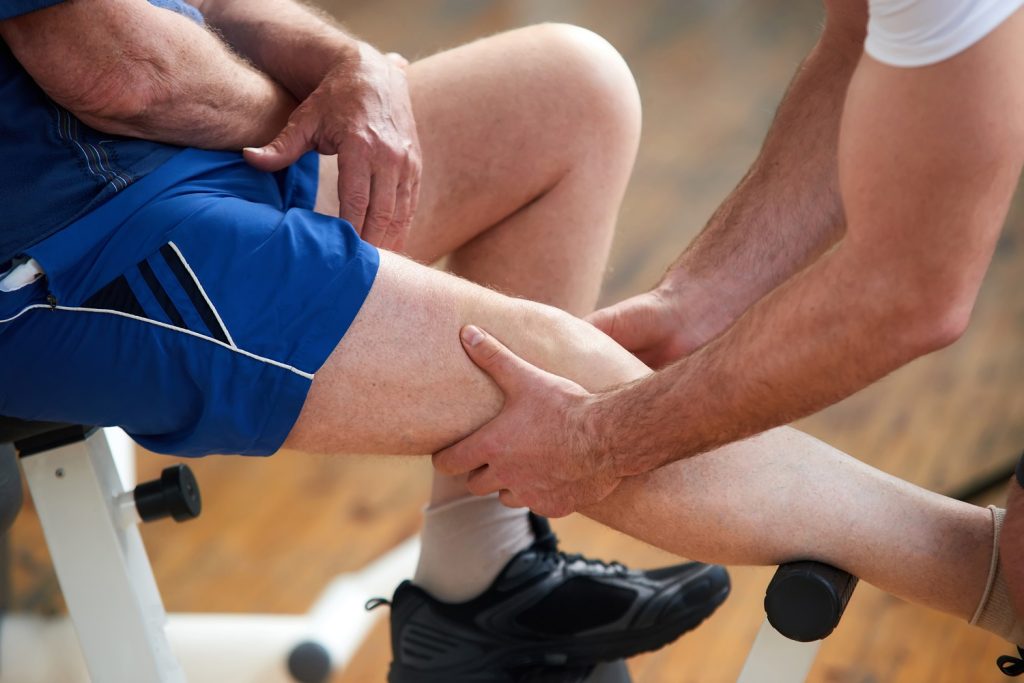
knee ligament injury
When Should I See a Specialist?
When Should I Visit a Fracture Clinic?
Seek medical attention if you experience:
- A popping sound at the time of injury
Hearing or feeling a “pop” at the moment of injury often suggests a ligament tear, particularly of the ACL, and warrants specialist assessment.
- Significant swelling within 24 hours
Rapid swelling may indicate internal bleeding (haemarthrosis) within the knee joint, commonly associated with severe ligament, cartilage, or bone injuries.
- Inability to bear weight
If you cannot comfortably stand or walk on the injured leg, it could signal a major ligament tear, meniscal injury, or associated fracture.
- The feeling of instability or “giving way.”
A sensation that the knee is buckling or unstable suggests a compromised ligament and requires expert evaluation and management.
- Restricted range of motion
Difficulty fully bending or straightening the knee may result from swelling, mechanical blockages (like a torn meniscus), or significant structural damage.
- Visible deformity or abnormal knee alignment
Apparent changes in the knee’s shape or alignment after injury can indicate a severe ligament tear or dislocation and should be assessed urgently.
- Persistent pain despite initial care
Ongoing pain that does not get better with rest, ice, and over-the-counter medication may point to a more serious injury needing specialist care.
Access Ortho is a private fracture clinic offering rapid appointments for acute Orthopaedic injuries.
Why Choose a Fracture Clinic such as Access Ortho Over the Emergency Department or GP?
Fracture clinics offer rapid access to specialist orthopaedic care with shorter wait times than those typically associated with emergency departments.
Unlike general medical clinics, fracture clinics only treat orthopaedic injuries; they offer referral to imaging, experienced orthopaedic medical staff, and follow-up care. The availability of specialist care ensures faster diagnosis, timely treatment, and a coordinated recovery plan, helping you return to activity safely and with the best possible outcome.
Fracture clinics, such as Access Ortho, are also ideal for ongoing management, monitoring healing progress, and adjusting treatment plans as needed — all in one place.
Frequently Asked Questions About Knee Ligament Injuries/Tears
Can you walk with a torn ACL?
Yes, some people can still walk after tearing their ACL, but the knee often feels unstable or gives way during certain movements.
How do I know which knee ligament I’ve injured?
Different ligaments cause different symptoms; clinical tests and imaging like MRI are typically needed to accurately diagnose which ligament is torn.
Will I need surgery for my knee ligament tear?
Not always. Surgery is frequently recommended for complete ACL tears or multi-ligament injuries, while many MCL and some PCL injuries can heal without surgery. It is important to get orthopaedic advice on the need for surgery vs. conservative management. Access Ortho offers this advice.
Is a knee ligament tear the same as a sprain?
A sprained ligament is when it is stretched or torn; a tear is a more severe form of a sprain in which the ligament fibres are partially or completely disrupted.
How long will I need to wear a brace after a ligament tear?
Bracing may be required for 2 to 8 weeks, depending on the ligament injured and the severity of the tear.
Can I play sports again after an ACL reconstruction?
Yes, with proper rehabilitation, most patients return to sports 9–12 months after ACL surgery once strength and stability are fully restored.
What is the success rate of knee ligament surgery?
ACL and other ligament reconstruction surgeries have high success rates, with about 80–90% of patients returning to pre-injury levels of activity.
Will I develop arthritis after a knee ligament injury?
Knee ligament injuries increase the risk of developing osteoarthritis over time, but proper treatment and rehabilitation may reduce this risk. The team at Access Ortho understand these risks and can help minimise them.
How can I tell if my knee is unstable?
Instability often feels like the knee is buckling, shifting, or “giving way,” especially during pivoting or load-bearing activities.
When can I return to work after a knee ligament injury?
Return to work depends on job demands; sedentary workers may return within 1–4 weeks, while manual workers may need several months, especially after surgery.
Are there alternatives to surgery for ligament tears?
Yes, partial tears and some isolated ligament injuries can often be managed successfully with physiotherapy, bracing, and activity modification.
Do I need an MRI to diagnose a ligament tear?
MRI is the gold standard for confirming ligament injuries and evaluating associated damage, but clinical examination often gives strong initial clues. You should be guided by your orthopaedic team on which tests are needed.
What’s the difference between ACL and MCL tears?
ACL tears cause instability with pivoting, while MCL tears often cause pain and swelling on the inner side of the knee after a direct blow or valgus force.
Can physiotherapy alone heal a ligament tear?
Partial tears and some isolated ligament injuries can heal well with structured physiotherapy, but complete ruptures, especially of the ACL, often require surgery.
How long should I ice my knee after a ligament injury?
To help minimise swelling and pain, ice should be used for 15–20 minutes every 2–3 hours during the first 48–72 hours after injury.