

Complete Guide to Osteoarthritis Flares and Exacerbations
What is an Osteoarthritis Flare/Exacerbation?
An osteoarthritis (OA) flare or exacerbation refers to a temporary period of increased joint pain, stiffness, and inflammation in a joint already affected by osteoarthritis. These episodes can significantly disrupt a person’s mobility and quality of life.
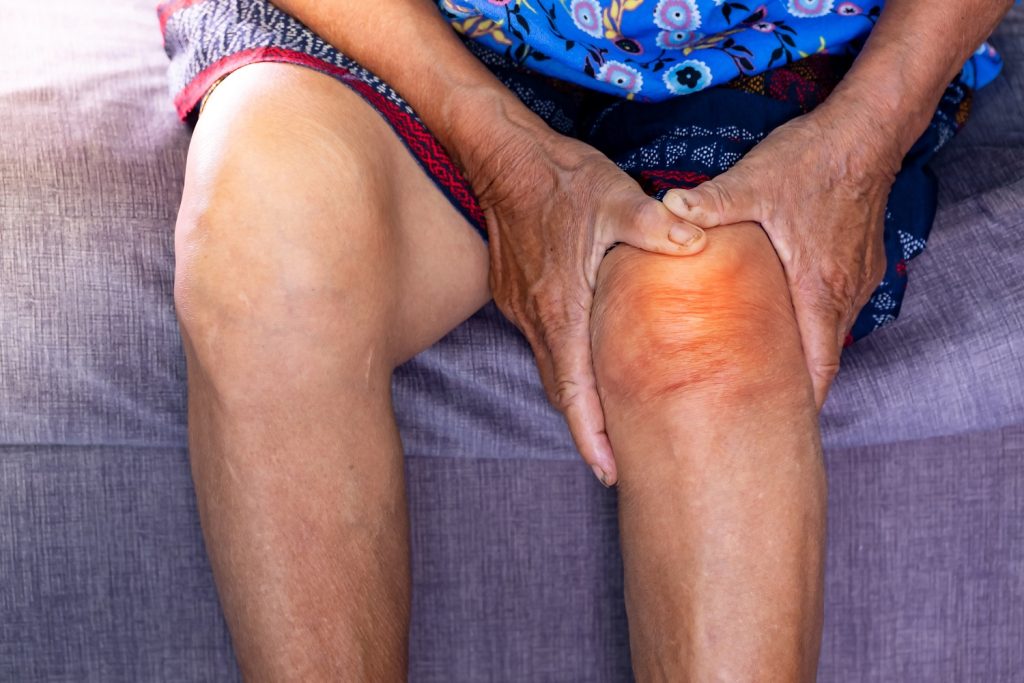
Flares are usually marked by heightened symptoms, such as sharp or deep aching pain, more pronounced stiffness (especially in the morning), visible joint swelling, and sometimes warmth or redness.
They can last from a few days to several weeks. While OA is a chronic and progressive condition, flares are episodic and may occur without an apparent trigger. Identifying and managing these flares is key to living well with OA.
Access Ortho provides expert diagnosis and tailored flare management for patients experiencing sudden and significant joint worsening. Our fracture clinics offer rapid access to musculoskeletal care to help reduce symptoms quickly.
Access Ortho does not manage chronic osteoarthritis. For long-term problems, it is recommended that you see your GP and discuss an appropriate referral path.
What are the Types of Osteoarthritis Flares?
Osteoarthritis flares can differ widely between individuals. They may be categorised by:
Duration
– Acute flares last a few days and are usually triggered by a specific event (e.g., increased activity).
– Prolonged flares last longer than a week and may suggest underlying biomechanical or inflammatory issues.
Trigger Mechanism
– Activity-related flares may result from overuse or unaccustomed movement.
-Weather-related flares are linked to drops in temperature or increased humidity.
– Spontaneous flares occur without a clear cause and can be more frustrating to manage.
Severity
– Mild flares cause minor discomfort.
– Moderate flares interfere with activities of daily living.
– Severe flares cause significant pain and require medical intervention.
Location
– Weight-bearing joints (e.g., knees, hips) can make walking or standing difficult.
– Non-weight-bearing joints (e.g., hands, shoulders) may affect fine motor tasks.
Understanding the type of flare helps guide the most effective treatment approach.
How Common are Osteoarthritis Flares?
Osteoarthritis is the most common joint disorder in Australia, affecting over 2.2 million people. Studies suggest that 30-80% of individuals with OA experience intermittent flares. These episodes’ frequency, severity, and duration can vary based on age, joint involvement, overall health, and lifestyle factors.
Flares are particularly common in people with moderate to severe OA. They are more frequently reported in older adults and those with higher body weight. Women are more likely than men to experience flares, possibly due to hormonal differences and joint biomechanics.
At Access Ortho, we regularly support patients experiencing OA flares, helping them identify patterns, manage acute symptoms, and reduce future episodes.
What Causes Osteoarthritis Flares/Exacerbations?
Several factors can trigger a flare in osteoarthritis. These include:
Overactivity or Unaccustomed Activity: Pushing a joint beyond its usual level of use can irritate the joint and surrounding tissues.
Joint Injury or Trauma: Even minor injuries such as twists or bumps can aggravate an osteoarthritic joint.
Weather Changes: Many people report that cold, damp, or barometric pressure changes worsen symptoms.
Biomechanical Factors: Poor posture, improper footwear, or changes in gait can place uneven stress on joints.
Weight Gain: Excess weight increases mechanical load on joints, especially the knees and hips.
Dietary Factors: Some people find that foods high in sugar, saturated fat, or processed ingredients may contribute to inflammation.
Concurrent Illness or Infection: Infections and illnesses can increase inflammation in the body, which may worsen OA symptoms.
Medication Changes or Non-Adherence: Suddenly stopping medications or inconsistent use can lead to a flare.
Stress and Poor Sleep: These can increase pain sensitivity and reduce the body’s ability to heal.
Identifying personal flare triggers can help patients take preventative steps.
At Access Ortho, our clinicians help patients recognise and manage their individual flare risks.
What are Osteoarthritis Flare Risk Factors?
Certain factors make some people more prone to frequent or severe OA flares:
Advanced Age: Aging cartilage is more prone to damage and slower to recover from inflammation.
Female Gender: Women have a higher rate of OA and report more frequent flares.
Obesity: Increased weight adds load to joints and is linked to systemic inflammation.
Joint Malalignment or Instability: Poor joint alignment alters weight distribution, stressing parts of the joint unevenly.
Severe Baseline OA: Individuals with advanced joint damage are more vulnerable to symptom fluctuations.
Previous Joint Injury or Surgery: Past trauma can make a joint more susceptible to inflammation.
Physically Demanding Occupations: Repetitive joint use can lead to microtrauma and trigger flares.
Inflammatory Comorbidities: Conditions like rheumatoid arthritis or metabolic syndrome can increase joint inflammation.
Poor Muscular Conditioning: Weak muscles around joints mean less support and more strain on the joint itself.
At Access Ortho, we assess these risk factors to guide flare management and long-term joint care. We also offer rapid appointments for acute injuries.
What are the Complications of Osteoarthritis Flares?
Untreated or frequent OA flares can lead to several complications:
Decreased Mobility and Function: Pain and stiffness may prevent normal movement, affecting independence.
Sleep Disruption: Night pain or discomfort can interfere with sleep, worsening fatigue and recovery.
Mood Disturbances: Persistent pain can contribute to anxiety, frustration, and even depression.
Reduced Work Productivity: Severe flares can limit the ability to perform physical or even sedentary work.
Decreased Social Participation: Pain may lead to isolation from activities with friends and family.
Increased Medication Use: Overuse of anti-inflammatories or painkillers may cause gastrointestinal or cardiovascular side effects.
Accelerated Joint Damage: In some cases, persistent inflammation may contribute to faster degeneration.
Muscle Atrophy: Reduced use of the joint can lead to weakening of the surrounding muscles, worsening joint mechanics.
Access Ortho provides early intervention strategies to prevent these complications and preserve joint health.
How are Osteoarthritis Flares/Exacerbations Diagnosed?
Osteoarthritis flares are diagnosed primarily through clinical assessment. Your medical practitioner will take a medical history and ask about recent changes in your symptoms, particularly any increase in joint pain, stiffness, or swelling compared to your usual baseline.
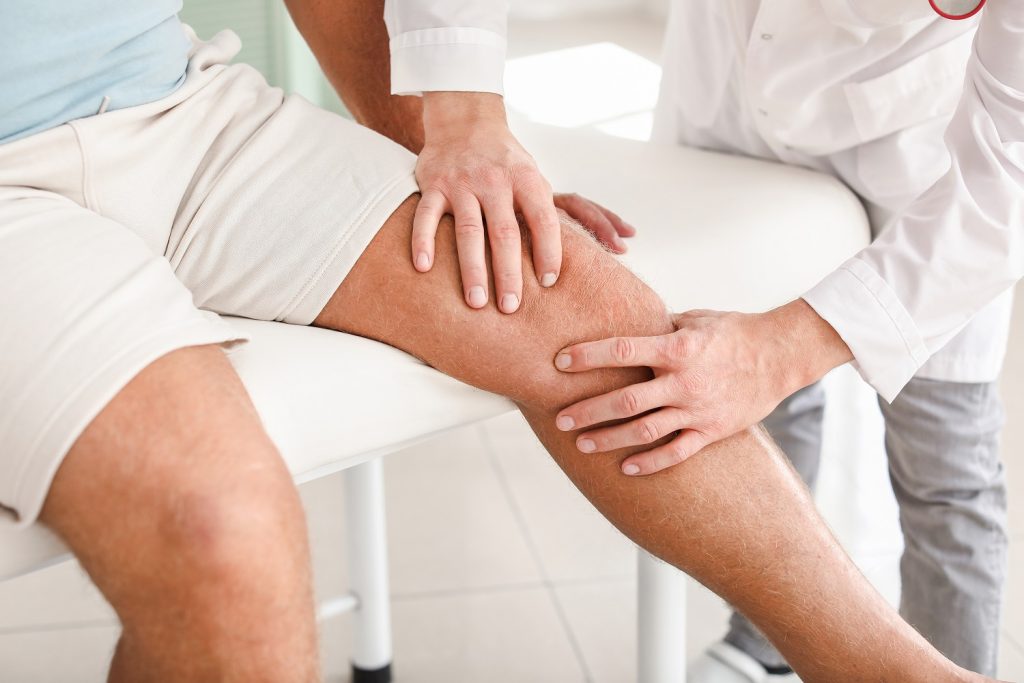
A physical examination of your joint will be done to assess for warmth, tenderness, range of motion, and swelling. It is important to rule out other conditions, such as infection, gout, or a new joint injury.
At Access Ortho, our clinicians are experienced in quickly identifying the signs of an OA flare and determining the most appropriate course of action. With our rapid appointments and musculoskeletal focus, we ensure patients receive timely diagnosis and relief.
Which Tests Do Providers Use to Diagnose Osteoarthritis Flares?
While OA flares are mostly diagnosed clinically, the following tests may be used to support diagnosis or rule out other issues:
Physical Examination: Checking for swelling, warmth, tenderness, and range of motion limitations in the affected joint.
Imaging (X-rays, Ultrasound, or MRI): These may be ordered if there is concern about a new injury or bone damage or when symptoms don’t improve as expected.
If symptoms persist, the following may be recommended:
Joint Fluid Analysis: In cases of significant swelling, fluid may be drawn from the joint to rule out infection or crystal arthritis (e.g., gout or pseudogout).
Inflammatory Markers (CRP, ESR): These blood tests help differentiate OA flares from more inflammatory forms of arthritis.
Access Ortho coordinates these investigations swiftly through our specialist network to ensure you receive timely, accurate care.
Weight-Bearing vs. Non-Weight-Bearing Joint Flares
Flares in weight-bearing joints like the knee or hip often cause more functional disruption and may require mobility aids, bracing, or offloading strategies. Patients may struggle with walking, standing, or transitioning from sitting to standing.
In contrast, non-weight-bearing joint flares, such as in the hands or shoulders, may cause difficulty with fine motor skills, dressing, lifting, or writing. While they may not impact mobility, they can still affect independence.
Access Ortho tailors treatment to the affected joint, ensuring your flare is managed effectively based on its location and impact.
Mechanical vs. Inflammatory Predominant Flares
Some OA flares are primarily mechanical, caused by joint overload, biomechanical stress, or poor muscle support. These flares usually respond well to activity modification, bracing, and physiotherapy.
Other flares have a more inflammatory pattern, with visible swelling, warmth, and longer symptom duration. These may respond better to anti-inflammatories or corticosteroid injections.
At Access Ortho, we help determine the underlying pattern of your flare and guide you toward the most appropriate, evidence-based treatment plan.
Telling the Difference Between an OA Flare and Other Conditions
OA flares can sometimes look a lot like other joint problems. That’s why it’s important to work out exactly what’s going on; getting the right diagnosis helps you get the right treatment sooner.
Here are a few conditions that can be mistaken for an OA flare:
Gout or pseudogout: These come on suddenly and can cause intense pain, swelling, and redness, often in just one joint.
Joint infection (septic arthritis): This is serious. The joint may feel hot, look swollen, and be painful to touch. A fever is common.
Rheumatoid arthritis or other inflammatory arthritis: These conditions usually affect multiple joints and are often worse in the mornings.
Fractures or tendon injuries: A minor fall or awkward movement can cause more than just a flare. Imaging may be needed to rule out a new injury.
At Access Ortho, we see all types of joint conditions and are experienced at identifying when your symptoms point to something more than just OA. Quick diagnosis means faster relief and the right plan moving forward.
Treating Osteoarthritis Flares
When an OA flare hits, the focus is on getting the pain and swelling under control and helping you move more comfortably. How we treat it depends on how bad the flare is and which joint is affected.
For immediate relief, the following measures can help:
- Taking pressure off can prevent the flare from worsening.
- Rest and Activity Modification: Temporarily reduce joint load by avoiding aggravating activities. Allow time for inflammation to settle.
- Use ice or heat – Ice is great for swelling, while heat can ease stiffness. Choose what feels best.
- Compression and elevation – Especially helpful for knees or ankles to bring swelling down.
- Use supports or aids – A walking stick, crutches, or a knee brace can reduce strain while you recover.
- Take pain relief – Paracetamol or NSAIDs (like ibuprofen) can help, but check what’s safe for you.
- Try topical treatments – Creams and gels applied directly to the joint can offer localised pain relief.
If you’re unsure what to take or what will help most, the team at Access Ortho can guide you. We’ll work with you to find the safest and most effective way to manage your pain and get you back to your usual routine as soon as possible.
Medical Interventions
For more persistent or severe flares, medical interventions may be required:
Oral Anti-inflammatory Medications: Stronger prescription NSAIDs may be used under medical supervision.
Intra-articular Corticosteroid Injections: These can reduce inflammation and pain for weeks to months, especially in larger joints.
Joint Aspiration: Draining excess fluid from a swollen joint can relieve pressure and confirm that there is no infection.
Muscle Relaxants: Occasionally used if muscle tension or spasm is contributing to joint pain.
Short-term Stronger Pain Relief: In severe cases, short courses of stronger pain medications may be appropriate.
The team at Access Ortho will discuss all your options and help arrange a referral if necessary.
Looking After Your Joints Long-Term
Managing osteoarthritis isn’t just about treating flares when they happen, it’s about keeping your joints as healthy and pain-free as possible over time. A good long-term plan makes a big difference and should be tailored to your lifestyle and goals.
Some of the most effective strategies include:
Physiotherapy: Building strength in the muscles around your joints takes pressure off the joint and helps reduce pain.
Rest: Pace yourself to prevent overuse and keep yourself moving comfortably.
Activity Pacing: Learning how to balance activity helps avoid overloading joints.
Protecting Your Joints: Simple adjustments to how you sit, move, or lift things (along with bracing when needed) can reduce unnecessary stress
Managing Your Weight:: Even small reductions in weight can ease the load on your knees and hips.
Tracking Triggers: Some people find that certain activities, foods, or routines can lead to a flare. Keeping a symptom journal can help spot patterns.
Viscosupplementation: In some cases, hyaluronic acid injections (especially in the knee) may help improve comfort and mobility.
Orthotics and Bracing: Supportive shoes, insoles, or custom braces can improve joint alignment and reduce pain.
At Access Ortho, we offer a coordinated approach. Whether you need physiotherapy, bracing, injections, or a surgical referral, we help manage your acute symptoms.
Summary: Preventing Osteoarthritis Flares
You can’t always stop a flare from happening, but many can be prevented with the right habits. Staying active (but not overdoing it), keeping your weight in check, protecting your joints, and using proper footwear make a difference.
Keeping warm in cooler weather, sticking to your medication, managing stress, and getting enough rest also play a big role. And don’t underestimate regular physiotherapy; it keeps your joints moving well and can reduce the risk of future flare-ups.
At Access Ortho, we’re here to support you, offering expert advice and care to help you stay active and independent.
What Can I Expect if I Have an Osteoarthritis Flare?
Most osteoarthritis flares are temporary and improve with appropriate management. However, the duration and severity will vary significantly.
You may feel discouraged or concerned during a flare, but flares are not necessarily a sign of worsening joint damage. With rest, medication, and supportive care, most patients see improvement within days to weeks.
At Access Ortho, our goal is to help patients quickly return to their normal activities. We provide targeted treatment plans and monitor progress to ensure the best possible outcomes.
What is the Recovery Time from an Osteoarthritis Flare?
Recovery times can vary depending on the flare’s severity and how early treatment begins:
Mild Flares: Typically resolve within 2–3 days with rest and over-the-counter treatment.
Moderate Flares: These may last 1–2 weeks and often require physiotherapy and stronger medications.
Severe Flares: Can take 3–6 weeks or longer to fully resolve and may require injections or bracing.
Access Ortho offers timely care that can help significantly reduce recovery time and prevent future complications.
When Should I See a Specialist?
It can be hard to know when to see a specialist. If you have any of the following symptoms, it would be important to consult a specialist when:
Pain is Severe or Different from Usual: A sudden, sharp, or unusual pain may indicate that you have an issue that needs urgent review.
Significant Swelling or Redness: A swollen or hot joint could suggest an infection or gout, and you should seek rapid care to assess this.
Fever is Present: This could indicate a joint infection and should be assessed urgently.
Mobility is Greatly Affected: If you’re suddenly unable to walk or use the joint, imaging or medical intervention may be required.
Symptoms Don’t Improve After 2–3 Weeks: Prolonged flares need further evaluation and may benefit from targeted treatment.
Access Ortho provides rapid appointments with orthopaedic-trained clinicians who can diagnose, manage, and monitor your flare.
What is a Fracture Clinic?
A fracture clinic is a specialised medical facility designed to treat acute musculoskeletal injuries, not just broken bones. These clinics focus on joints, muscles, and ligaments and are ideal for managing osteoarthritis flare-ups.
At Access Ortho, we provide:
- Expert diagnosis of joint pain and flare-ups
- Rapid access to imaging and treatment
- Follow-up planning and referrals for physiotherapy, surgery or bracing

Frequently Asked Questions About Osteoarthritis Flares
How do I know if my joint pain is an OA flare or something else?
If the pain feels sharper, the joint is more swollen than usual, or symptoms differ significantly from your typical pattern, seek medical assessment. Access Ortho can help rule out other causes.
Can weather really trigger an osteoarthritis flare?
Many people report increased pain and stiffness in cold or humid weather. While the exact cause is unclear, changes in barometric pressure may play a role.
Are osteoarthritis flares dangerous or just painful?
They are generally not dangerous, but they can be disabling. A professional assessment is important if symptoms are severe or don’t improve.
How often can I take anti-inflammatories during a flare?
Always follow medical advice. NSAIDs should always be used at the lowest effective dose and for a short duration to minimise side effects.
Should I rest completely or keep moving during an OA flare?
Gentle movement is important, but avoid overloading the joint. A medical professional can guide you.
Is ice or heat better for an osteoarthritis flare?
It depends—ice can reduce swelling, while heat soothes stiffness. Use whichever feels better for you.
Can diet affect osteoarthritis flares?
Yes, some people find that processed or sugary foods make symptoms worse. A balanced anti-inflammatory diet may help.
How quickly do steroid injections work for OA flares?
Relief can start within 24–72 hours and may last several weeks.
Will my flares become more frequent as my OA progresses?
They can become more common over time, but flare frequency varies. Preventative care is key.
Can physiotherapy help during an active flare?
Yes; gentle, targeted physiotherapy can reduce stiffness and maintain mobility, even during a flare.
Are there supplements that help prevent OA flares?
Some people report benefits from glucosamine, chondroitin, or omega-3s, but results vary. Discuss options with your clinician.
How do I manage sleep during an osteoarthritis flare?
Try positioning supports like pillows, take medications before bedtime, and practise relaxation techniques.
Can stress management techniques reduce OA flares?
Absolutely; chronic stress and poor sleep can worsen symptoms. Mindfulness and regular rest are important.
When should I consider surgery if I have frequent OA flares?
If conservative treatment no longer helps and your function is significantly affected, surgery may be an option. Access Ortho can help assess this and arrange a referral.
Is it safe to exercise during an osteoarthritis flare?
Avoid high-impact or painful movements, but gentle range-of-motion exercises can help preserve joint health.
Does Access Ortho treat osteoarthritis flares and exacerbations?
Yes! Access Ortho provides expert, same-day or next-day care for OA flares across all ages and treats all acute musculoskeletal injuries. Chronic or long-term pain should be managed with your GP.