
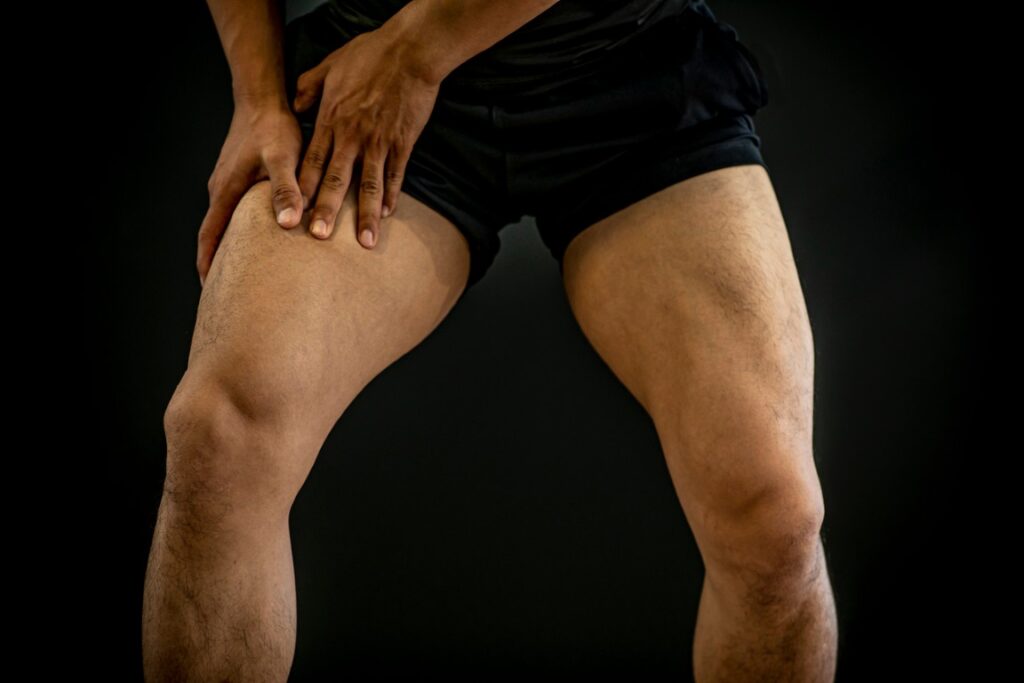
Muscle tears are a common cause of pain and reduced mobility, especially in active people and athletes. Whether the injury occurs during sport, exercise, or daily activity, recognising the signs of a muscle tear and seeking early treatment is essential for a safe recovery.
Access Ortho Brisbane & Ipswich
At Access Ortho, our fracture clinics in Brisbane and Ipswich provide specialist-led diagnosis and treatment for muscle tears. With direct access to orthopaedic surgeons and nurse practitioners, patients receive rapid care without the long hospital wait.
What is a Muscle Tear?
A muscle tear (muscle strain) happens when muscle fibres overstretch or rupture. Severity ranges from mild (Grade I) to complete ruptures (Grade III).
Common muscle tear locations include:
- Hamstrings and quadriceps
- Calf (gastrocnemius and soleus)
- Biceps and triceps
- Rotator cuff muscles in the shoulder
If you suspect a muscle tear, early orthopaedic assessment helps ensure proper treatment and reduces long-term complications.
How are Muscle Tears Diagnosed?
At Access Ortho, diagnosis is guided by both clinical examination and imaging when needed:
- Clinical assessment for swelling, bruising, weakness, and range of motion loss
- Strength testing to grade severity
- Imaging: ultrasound and MRI scans are often used to confirm the diagnosis and guide treatment
X-rays do not show muscle injuries but may be ordered to rule out associated fractures.
Outside our Service area? Consider AVA Orthopaedics for an Online Management Plan For Sports Injury.
Treatment for Muscle Tears
Treatment depends on severity, location, and patient activity levels.
- Mild muscle strains (Grade I): RICE protocol (rest, ice, compression, elevation), pain relief, and gradual return to activity with physiotherapy.
- Moderate muscle tears (Grade II): Longer rest period, bracing or support, and structured rehabilitation.
- Severe muscle tears (Grade III): Complete ruptures may require surgical repair, especially if major muscles such as the quadriceps, biceps, or Achilles are affected.
At Access Ortho, we arrange rapid imaging and create a personalised treatment plan so patients can begin recovery as soon as possible.
Complications of Muscle Tears
If left untreated or mismanaged, muscle tears can result in:
- Chronic weakness and reduced performance
- Recurring muscle tears
- Excessive scar tissue limiting flexibility
- Long-term pain and functional impairment
- In rare cases, compartment syndrome requiring emergency treatment
Who Should I See for a Muscle Tear?
If you suspect a muscle tear, you should see an orthopaedic specialist or other practitioner specialising in injuries.
At Access Ortho fracture clinics in Brisbane and Ipswich, patients benefit from:
- Rapid appointments with the orthopaedic team
- Rapid referral for ultrasound or MRI scans
- Tailored non-surgical and surgical treatment options
Unlike busy emergency departments, Access Ortho provides specialist-led urgent care for muscle injuries in a streamlined, patient-focused environment. For details about specific muscle tears, visit our comprehensive injury pages.

Frequently Asked Questions about Muscle Tears
What are the symptoms of a muscle tear?
- Sudden sharp pain during activity
- Swelling and bruising
- Weakness or inability to use the muscle
- In severe cases, a “popping” sound and visible deformity
Can I treat a muscle tear at home?
Mild strains may improve with RICE and over-the-counter pain relief. Significant tears, weakness, or swelling should be assessed by an orthopaedic specialist.
How long does a muscle tear take to heal?
- Mild tears: 2–4 weeks
- Moderate tears: 6–8 weeks
- Severe tears: several months, particularly if surgery is required
Do muscle tears show up on an X-ray?
No. X-rays only detect bone injuries. Ultrasound and MRI are the best tests for diagnosing muscle tears.
When should I see a doctor for a muscle tear?
Seek urgent assessment if you cannot use the muscle, have severe swelling or bruising, or suspect a complete rupture. Access Ortho fracture clinics provide rapid diagnosis and treatment.
Should I go to the emergency department for a muscle tear?
In most cases, you don’t need to go to the hospital emergency department for a muscle tear. Instead, visiting a fracture clinic like Access Ortho is a better option. You’ll be seen quickly by orthopaedic practitioners, avoid long waiting times, and receive specialist follow-up care tailored to your recovery.