
Complete Guide to ACL Injuries
What is an ACL Tear, Sprain, or Strain?
An ACL (anterior cruciate ligament) tear, sprain, or strain refers to an injury affecting the ACL, one of the primary stabilising ligaments of the knee joint. These injuries can range from mild overstretching (strain) to partial or complete ligament rupture (tear) and are particularly common among athletes and physically active individuals.
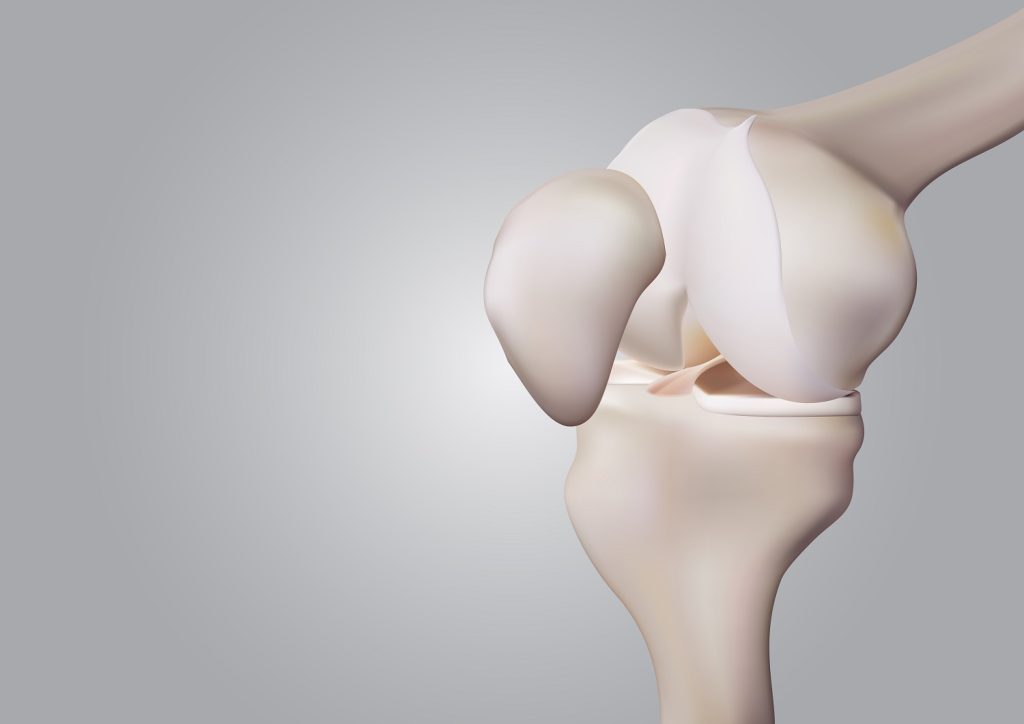
The ACL is a band of strong connective tissue that runs through the centre of the knee, linking the thighbone (femur) to the shinbone (tibia). Its primary role is to:
- Limit the tibia from sliding too far forward relative to the femur
- Provide rotational stability to the knee, particularly during pivoting or sudden directional changes
ACL injuries occur when there is overstretching of the ligament, or the knee is twisted, or forcefully loaded, such as during sudden stops, changes in direction, awkward landings, or direct impacts. The severity of injury can be classified as:
- Grade 1 (Mild): The ACL is stretched but not torn
- Grade 2 (Moderate): The ACL is partially torn
- Grade 3 (Severe): The ACL is completely torn
ACL injuries often require medical assessment and, depending on severity, may involve rehabilitation, bracing, or surgical reconstruction to restore full function and knee stability.
What are the Types of ACL Injuries?
ACL injuries are classified into three different grades based on the degree of ligament damage and the resulting impact on knee stability. This grading helps guide treatment decisions and rehabilitation planning.
- Grade 1 (Mild):
A Grade 1 tear involves slight stretching and microscopic tearing of the ligament fibres. The ACL remains structurally intact and continues to stabilise the knee/ Mild pain and swelling may be present. Athletes may experience slight discomfort but can often continue playing with caution. These injuries typically respond well to rest, physiotherapy, and bracing.
- Grade 2 (Moderate):
A partial tear of the ACL, leading to some degree of looseness (laxity) in the knee joint. This type of injury is less common than Grade 1 or 3 and may result in more significant swelling, pain, and a sense of instability, especially during twisting or pivoting movements. Treatment may involve more structured rehabilitation and bracing; in some cases, surgery may be discussed, depending on the patient’s activity level and goals.
- Grade 3 (Severe):
A grade 3 rupture is a complete rupture of the ACL, where the ligament is torn into two pieces. It causes significant knee instability, especially during activities involving sudden changes in direction. Patients often report a “popping” sound at the time of injury, immediate swelling, and a feeling that the knee might “give way.” Grade 3 injuries often require surgical reconstruction, especially for active individuals or athletes, followed by a comprehensive rehabilitation program. Some Grade 3 ruptures may be managed non-surgically, depending on the patient.
How Common Are ACL Injuries?
ACL injuries are among the most frequently occurring ligament injuries of the knee, particularly in active and athletic populations. In Australia, it is estimated that 15,000 to 20,000 ACL reconstructions are performed each year, reflecting the significant impact of these injuries on both recreational and professional athletes.
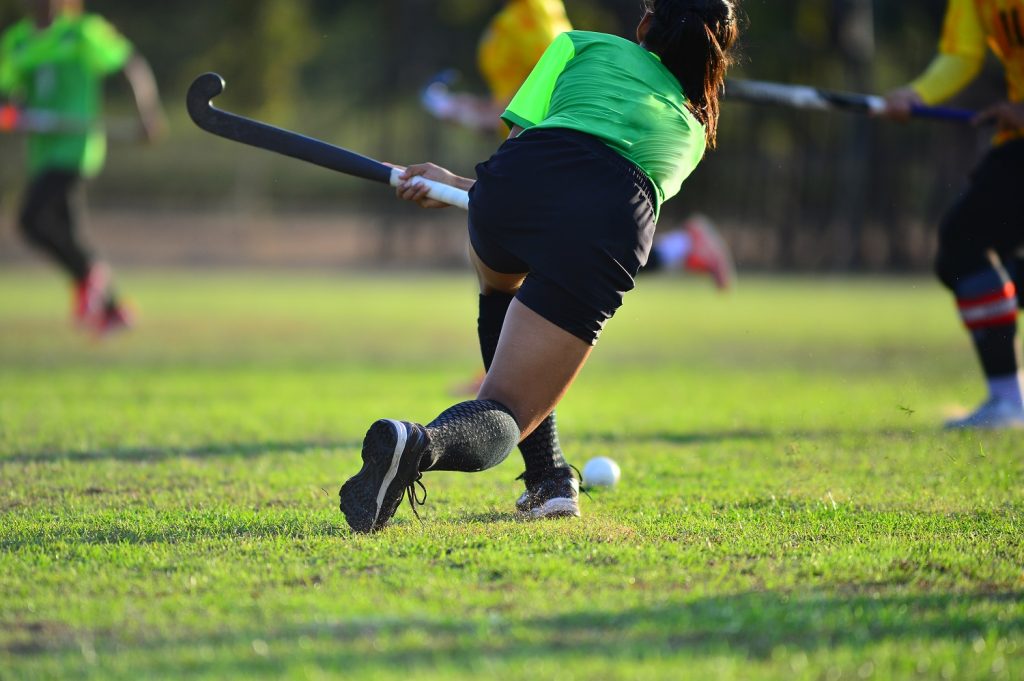
They are especially common in sports that involve sudden deceleration, pivoting, cutting, jumping, or direct contact, such as:
- Football (soccer and AFL)
- Netball
- Basketball
- Rugby
- Skiing and snowboarding
Young athletes, particularly females, are at higher risk due to anatomical, hormonal, and biomechanical factors. The increasing rates of early sports specialisation and year-round training have also contributed to a rise in ACL injuries in adolescents.
Symptoms and Causes
Symptoms of an ACL Injury
- A “popping” sound at the time of injury
Many people report hearing or feeling a pop in the knee when the ACL tears.
- Immediate pain
Pain is usually felt deep within the knee and can be intense at the moment of injury.
- Rapid swelling
Swelling typically develops within a few hours due to bleeding within the joint (haemarthrosis).
- Knee instability or “giving way.”
The knee may feel unstable or unable to support your weight, especially during pivoting or twisting movements.
- Loss of range of motion
It may be difficult to completely bend or fully straighten the knee.
- Tenderness along the joint line
The area around the knee may feel sore to touch.
- Difficulty walking or bearing weight
In more severe tears, walking may be difficult or painful without support.
What Causes ACL Tears, Sprains, or Strains?
ACL injuries often occur during dynamic, high-stress movements. Around 70–80% of ACL tears are non-contact injuries, meaning they happen without any direct collision or impact. Common causes include:
- Non-contact pivoting movements
This is the most common mechanism of injury. It occurs when the foot is planted firmly on the ground while the body rapidly twists or pivots in the opposite direction. This sudden torque places excessive strain on the ACL, leading to a tear, particularly in sports like netball, basketball, or soccer.
- Sudden deceleration with a change in direction
Abruptly slowing down or stopping while running, especially when combined with a cutting manoeuvre or sidestep, can overload the knee joint and place high stress on the ACL.
- Landing incorrectly from a jump
Poor landing technique, such as landing with the knee extended or with the knee collapsing inward (valgus position), increases the risk of ACL injury. This is common in sports that involve jumping and quick rebound movements, like volleyball and basketball.
- Direct impact / force to the knee or lower leg on the outer side
A blow to the outer side of the knee, such as during a football tackle, can push the knee inward and strain or rupture the ACL. These contact injuries often involve damage to other structures like the MCL or meniscus.
- Hyperextension of the knee joint
When the knee is forced beyond its normal straightened position, the ACL can stretch or tear. This may occur during activities like jumping, landing, or falling awkwardly.
- Sudden change in speed or direction on uneven surfaces
Running on unstable or uneven terrain, such as during trail running or field sports, can cause an unplanned movement or loss of balance, leading to ACL strain or rupture.
- Muscle imbalances or poor biomechanics
Weakness in the glutes, hamstrings, or core can increase reliance on the knee joint for stability. Poor control of movement during sports or training can also increase ACL injury risk, especially during cutting, jumping, or pivoting actions.
What are the Common Risk Factors for ACL Injuries?
Several factors may increase a person’s risk of sustaining an ACL injury. These may be related to biological differences, sport type, biomechanics, or external conditions:
- Female gender
Females are 2–8 times more likely to have an ACL injury than males in similar sports. This increased risk is linked to a combination of hormonal influences (e.g., oestrogen affects ligament laxity), anatomical differences (such as a wider pelvis and narrower intercondylar notch), and neuromuscular factors like different landing and cutting mechanics.
- Participation in high-risk sports
Sports involving pivoting, jumping, sudden stops, and changes in direction, such as soccer, basketball, netball, skiing, and AFL, place high demands on the ACL and significantly increase the risk of injury.
- Previous ACL injury
Individuals who have previously torn their ACL are at a higher risk of re-injury, either in the same knee or the opposite knee. This may be due to lingering biomechanical issues, altered movement patterns, or incomplete rehabilitation.
- Poor neuromuscular control
Deficits in strength, balance, coordination, and movement patterns, especially of the gluteal muscles, hamstrings, and core, can lead to poor knee alignment and greater stress on the ACL during sport-specific movements.
- Anatomical factors
Certain structural features may predispose individuals to ACL injury, including:
- Narrow intercondylar notch (the space in the femur where the ACL passes through), which can impinge the ligament
- Increased knee valgus (when the knee collapses inward), which is commonly seen in female athletes during landing or cutting
- Generalised joint laxity, which may reduce knee stability
- Playing on artificial surfaces
Synthetic turf can create greater traction between the shoe and the surface, increasing the load on the knee during sudden stops or changes in direction. Compared to natural grass, this can raise the risk of ACL tears.
- Inadequate warm-up or conditioning
Skipping a proper warm-up or lacking a structured conditioning program may impair neuromuscular readiness. Athletes with poor flexibility, strength, or coordination are at greater risk of injury, especially when fatigued.
- Fatigue
As muscles tire, joint stability decreases, and athletes may compensate with poor movement mechanics, increasing the risk of injury late in games or training sessions.
- Improper footwear or poor equipment
Shoes that provide too much or too little grip or poorly fitted gear can alter biomechanics and contribute to instability or awkward landings.
What are the Complications of ACL Injuries?
Without proper diagnosis, treatment, and rehabilitation, an ACL injury can lead to several long-term issues that affect knee function and overall quality of life. Common complications include:
- Chronic knee instability
A torn ACL significantly reduces knee stability, especially during pivoting or side-to-side movements. Without reconstruction or adequate rehab, the knee may frequently “give way,” leading to a loss of confidence and function, particularly in active individuals.
- Increased risk of meniscal tears
The meniscus acts to absorb the shock between the thighbone and shinbone. An unstable knee due to an untreated or poorly rehabilitated ACL injury can lead to repetitive stress on the meniscus, increasing the likelihood of tearing it over time.
- Early onset osteoarthritis
ACL injuries, especially those with associated meniscal or cartilage damage, can accelerate degenerative changes in the knee joint, leading to early osteoarthritis. This may cause chronic pain, stiffness, and reduced joint function, often years after the initial injury.
- Increased risk of re-injury
People who return to sport too early or do not fully restore strength, neuromuscular control, and confidence are at a higher risk of tearing the ACL again, either in the same or the opposite knee.
- Associated injuries to other knee structures
ACL tears are often part of a multi-structure injury, which may involve:
- Meniscus tears
- Articular cartilage damage
- Collateral ligament injuries (MCL/LCL)
- Bone bruising or fractures.
These additional injuries can complicate treatment and delay recovery.
- Activity limitations and decreased sports performance
Many individuals experience a reduction in athletic ability, agility, or confidence post-injury, even with surgery. Fear of re-injury and residual symptoms may limit participation in sports or high-level activities.
Access Ortho offers specialist orthopaedic care for ligament injuries, providing rapid appointments, accurate diagnosis and early treatment.
Diagnosis and Tests
How are ACL Tears, Sprains, or Strains Diagnosed?
Diagnosis of an ACL injury begins with a comprehensive clinical assessment by a healthcare professional, usually an orthopaedic specialist or sports doctor. This includes:
- Detailed history-taking
Your medical provider will ask about how the injury occurred (e.g. pivoting, landing, or direct impact), the symptoms you felt at the time (such as a pop, pain, or swelling), and any current limitations in movement or stability.
- Physical examination
Several hands-on tests are used to assess the integrity of the ACL and other knee structures. Common tests include:
- Lachman test – to assess anterior translation of the tibia
- Anterior drawer test – checks for forward movement of the shinbone
- Pivot shift test – evaluates knee instability during movement
- The doctor will also check for joint swelling, tenderness, range of movement, and any signs of injury to the meniscus or collateral ligaments.
- Imaging studies
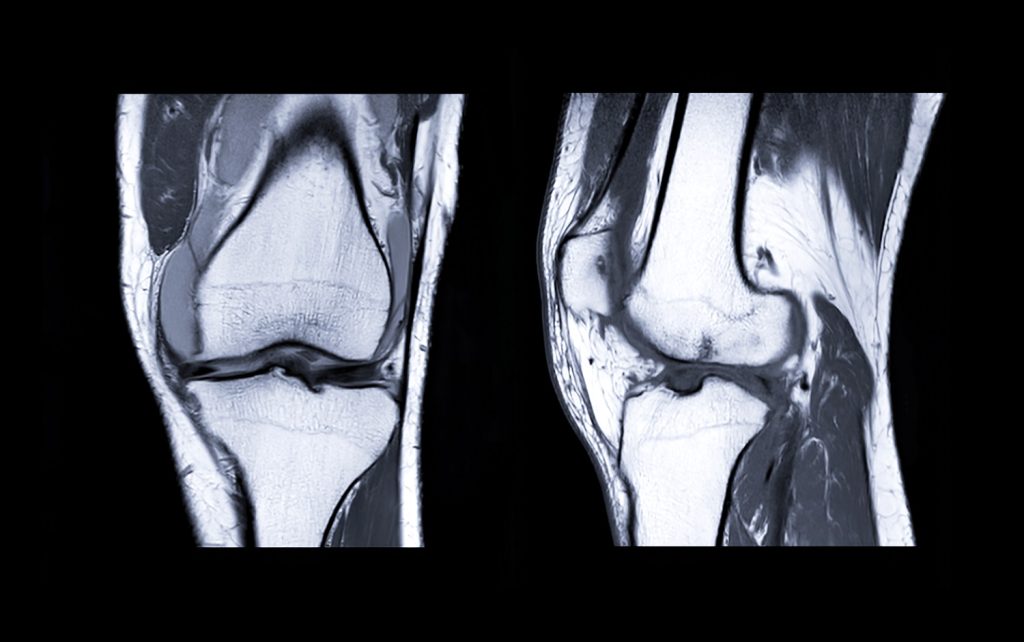
- X-rays may be requested to rule out fractures or bone injuries, although they do not show soft tissues like ligaments.
- MRI is used to confirm ACL tears and evaluate for associated injuries, such as meniscal damage or cartilage defects.
Role of a Fracture Clinic in Diagnosis
Fracture clinics like Access Ortho offer rapid, expert assessment of knee injuries, providing access to orthopaedic surgeons without needing a GP referral. These clinics are equipped to:
- Perform thorough clinical examinations immediately after injury
- Order and interpret urgent imaging, such as X-rays and MRI scans
- Quickly identify ligament injuries, including ACL tears, and differentiate them from other causes of knee pain (e.g. meniscal tears, patella dislocations)
- Initiate early bracing, rehabilitation, or surgical referrals, ensuring optimal recovery pathways
Attending a fracture clinic ensures you receive timely, specialist care, which can help reduce complications and fast-track your return to activity.
Specific Considerations for ACL Injuries
ACL injuries are not always straightforward, and several patient and injury-related factors influence treatment decisions, recovery timelines, and long-term outcomes. These include the presence of associated injuries, activity level, and age. The medical team at Access Ortho is trained in the orthopaedic management of sprains, strains, ligament tears and fractures. This ensures that specific considerations are accounted for during diagnosis and management.
Isolated vs. Combined Injuries
While some ACL injuries involve a clean tear of the ligament alone (isolated ACL injury), many occur at the same time as damage to other structures within the knee joint, leading to combined injuries. These may include:
- Meniscal tears – Found in up to 50% of ACL injuries; the meniscus acts as a shock absorber and stabiliser, and damage can increase the risk of long-term cartilage wear
- Medial Collateral Ligament (MCL) sprain/tear – Often injured alongside the ACL, particularly in contact sports
- Lateral meniscus or cartilage damage
- Bone bruising – Occurs due to impact between the femur and tibia during injury
- Posterior cruciate or lateral collateral ligament injuries – Less common but may occur in high-energy trauma
Treatment for combined injuries is typically more complex and may require longer rehabilitation, tailored surgical approaches, and more intensive follow-up to reduce the risk of chronic instability and osteoarthritis.
Athletic vs. Non-athletic Patients
Treatment plans are influenced heavily by the patient’s activity level and personal goals:
- Athletic individuals, especially those involved in pivoting or high-impact sports, are more likely to be offered surgical reconstruction to restore knee stability and reduce the risk of re-injury. Return-to-play testing, sport-specific rehabilitation, and psychological readiness are key to their recovery.
- Non-athletic or older individuals who are not regularly involved in strenuous physical activity may be managed non-operatively, especially if the knee remains stable during daily activities. Bracing, physiotherapy, and activity modification may provide satisfactory outcomes without surgery.
The choice between operative and non-operative treatment must consider age, knee stability, occupational demands, and lifestyle preferences. The team at Access Ortho is trained in orthopaedics and understands the pros and cons of different management strategies.
Pediatric and Adolescent ACL Injuries
ACL injuries in children and young adolescents require special consideration due to the presence of open growth plates (physes) in the bones. Performing surgery early or using surgical techniques specific to adults can damage these growth centres, potentially leading to:
- Growth disturbances
- Angular deformities
- Leg length discrepancies
As a result, surgical techniques may need to be adapted for younger patients. A non-operative approach may be trialled with careful monitoring of mild or partial injuries.
Early diagnosis and management in this group are essential to prevent long-term instability and meniscal damage, which can impact joint health into adulthood.
Management and Treatment of ACL Tears, Sprains, or Strains
The treatment of ACL injuries depends on several factors, including injury severity, patient age, activity level, knee stability, and return-to-sport or functional goals. Management may be non-surgical or surgical, often involving a team approach including orthopaedic specialists, physiotherapists, and sports medicine professionals.
Non-Surgical Management
Non-surgical (conservative) treatment may be appropriate for:
- Partial tears (Grade 1 or 2)
- Complete tears in low-demand individuals
- Skeletally immature patients (children/adolescents)
- Patients who do not experience instability during daily activities
▪️ RICE Protocol (Rest, Ice, Compression, Elevation)
Initial management of acute ACL injuries focuses on controlling pain and swelling.
- Rest limits further stress on the injured ligament
- Ice reduces inflammation and pain
- Compression (e.g. with a bandage) helps minimise swelling
- Elevation supports drainage of excess fluid from the knee
▪️ Physiotherapy (Rehabilitation without Surgery)
Structured physiotherapy aims to restore:
- Strength (especially in quadriceps, hamstrings, and glutes)
- Knee stability and balance through proprioceptive and neuromuscular training
- Range of motion and flexibility
- Patients may be able to return to normal activities or even light sport if the knee remains stable.
▪️ Bracing
Functional knee braces may be used during activity to:
- Provide support and confidence
- Prevent excessive joint movement that may worsen the injury
- Bracing is often combined with physiotherapy during the recovery process.
▪️ Activity Modification
Avoiding high-risk movements such as cutting, pivoting, and jumping can help reduce the risk of re-injury. Some patients choose to transition to lower-impact activities, especially if opting out of surgery.
▪️ Anti-inflammatory Medications
Short-term use of NSAIDs (e.g. ibuprofen) can help minimise pain and swelling, especially in the early phase. Long-term use should be monitored to avoid gastrointestinal or renal side effects.
Surgical Treatment
Surgery is typically recommended for:
- Complete ACL ruptures (Grade 3) in active individuals
- Patients with persistent instability despite physiotherapy
- Combined injuries involving the meniscus or cartilage
- Young patients with athletic goals
▪️ ACL Reconstruction
During surgery, the damaged ACL is replaced with a graft. Common graft options include:
- Hamstring tendon autograft – popular due to low donor site pain
- Patellar tendon autograft – strong graft, but may have more post-op pain
- Allograft (donor tissue) – useful for revision surgery or when autograft isn’t suitable
Surgery is often delayed until the swelling subsides and the range of motion is restored to reduce the risk of stiffness post-op. Building muscle strength before surgery is also important.
▪️ Rehabilitation Protocols (Typically 9–12 Months)
Post-surgical rehab is critical and typically progresses through:
- Early recovery (swelling and pain control, range of motion)
- Strengthening (quadriceps, hamstrings, glutes)
- Neuromuscular training (balance, proprioception)
- Sport-specific drills (cutting, pivoting, jumping)
- Return-to-sport testing (strength, movement quality, psychological readiness)
Patients are usually cleared for full contact sport 9–12 months post-surgery, but timelines vary.
▪️ Advanced Surgical Techniques
Modern techniques aim to restore more natural ACL anatomy and improve outcomes:
- Anatomic single-bundle reconstruction – restores ACL close to original location
- Double-bundle techniques – attempt to replicate both functional bundles of the ACL for improved rotational control (used in select patients)
▪️ Repair of Associated Injuries
During ACL reconstruction, other damaged structures may also be treated:
- Meniscus repair or trimming
- Cartilage debridement or microfracture
- Collateral ligament repair (e.g. MCL, LCL)
Addressing these concurrently improves long-term joint health and function.
Prevention
How Can I Prevent ACL Injuries?
While not all ACL injuries are avoidable, the following strategies can significantly reduce your risk:
- Neuromuscular training programs
Evidence-based programs like FIFA 11+ and the PEP Program improve strength, coordination, and movement patterns to lower injury risk, especially in team sports.
- Proper landing mechanics training
Learning to land softly with knees aligned and avoiding inward knee collapse helps protect the ACL during jumping and pivoting.
- Core and lower extremity strengthening
Strengthening the glutes, hamstrings, quadriceps, and core enhances stability and reduces strain on the knee during movement.
- Balance and proprioception exercises
Exercises such as single-leg stands, wobble boards, and dynamic balance drills improve body awareness and joint control during sport.
- Proper warm-up routines
Dynamic warm-ups increase muscle activation, flexibility, and coordination, preparing the body for activity and reducing injury risk.
- Sport-specific technique training
Practising safe cutting, pivoting, and deceleration techniques with good form helps reduce undue stress on the ACL.
- Appropriate footwear
Wearing shoes with the right level of grip and support for your sport and surface can prevent awkward slips or twists that lead to injury.
Outlook / Prognosis
What Can I Expect if I Have an ACL Injury?
Recovery and long-term outcomes depend on factors such as:
- The severity of the ACL tear (partial vs. complete)
- Presence of associated injuries (e.g. meniscus, cartilage)
- Choice of treatment (surgical vs. non-surgical)
- Commitment to rehabilitation
With appropriate treatment and rehabilitation, many people regain full knee function. However, there is a higher risk of early osteoarthritis and re-injury, especially without proper rehab or return-to-sport screening. Seeking specialist orthopaedic care from a clinic such as Access Ortho ensures you receive a rapid, accurate diagnosis, and an individualised treatment plan can be made early to help minimise complications and improve recovery time.
What is the Recovery Time from an ACL Injury?
▪️ Non-surgical management: 3–6 months
For partial tears or lower-demand individuals, structured physiotherapy may restore function within a few months. Activities may be limited to low-impact or modified sports, avoiding cutting or pivoting.
▪️ Surgical reconstruction: 9–12 months
A progressive rehab program is essential following ACL reconstruction. Return to unrestricted activity typically occurs around 9–12 months, depending on strength, stability, and confidence levels.
▪️ Return to competitive sports: 12+ months
High-level sport is generally not advised until at least 12 months post-op, after successful completion of functional testing (e.g., hop tests, strength symmetry), and psychological readiness assessments.
When Should I See a Specialist?
You should seek prompt assessment by a medical or orthopaedic specialist if you experience any of the following after a knee injury:
- A “popping” sound at the time of injury
This is a common sign of a torn ACL or other ligament and often indicates a more serious internal injury.
- Rapid swelling within the first few hours
Swelling that appears quickly suggests bleeding inside the joint (haemarthrosis), which is often associated with ligament or meniscal damage.
- Significant pain or inability to bear weight
Difficulty standing or walking on the injured leg may indicate a structural injury that needs further investigation.
- A feeling that the knee is unstable or “giving way.”
If your knee feels loose or buckles during movement, this may reflect ligament insufficiency, particularly of the ACL.
- Loss of full range of motion
The inability to move the knee through full range may result from swelling, internal damage, or mechanical blockage (e.g., a torn meniscus).
The Role of Fracture Clinics in Diagnosing and Treating ACL Injuries.
Why Early Diagnosis Matters
Timely diagnosis of an ACL injury is essential to ensure the best possible recovery and reduce the risk of long-term complications. Early assessment allows:
- Accurate diagnosis and injury grading
Determining whether the ACL is partially or fully torn helps guide appropriate treatment planning.
- Identification of associated injuries
Meniscal, cartilage, or collateral ligament damage often occurs alongside ACL tears. If not addressed early, these may worsen over time.
- Faster initiation of appropriate treatment
Early physiotherapy, bracing, or surgical referral helps preserve joint health and function.
- Reduced risk of further damage
A delayed diagnosis can lead to repeated episodes of instability, increasing the risk of secondary injuries and joint degeneration.
- Improved recovery outcomes
Early intervention allows for optimal rehabilitation, minimising time away from sport or daily activities.
Benefits of Visiting a Fracture Clinic Like Access Ortho
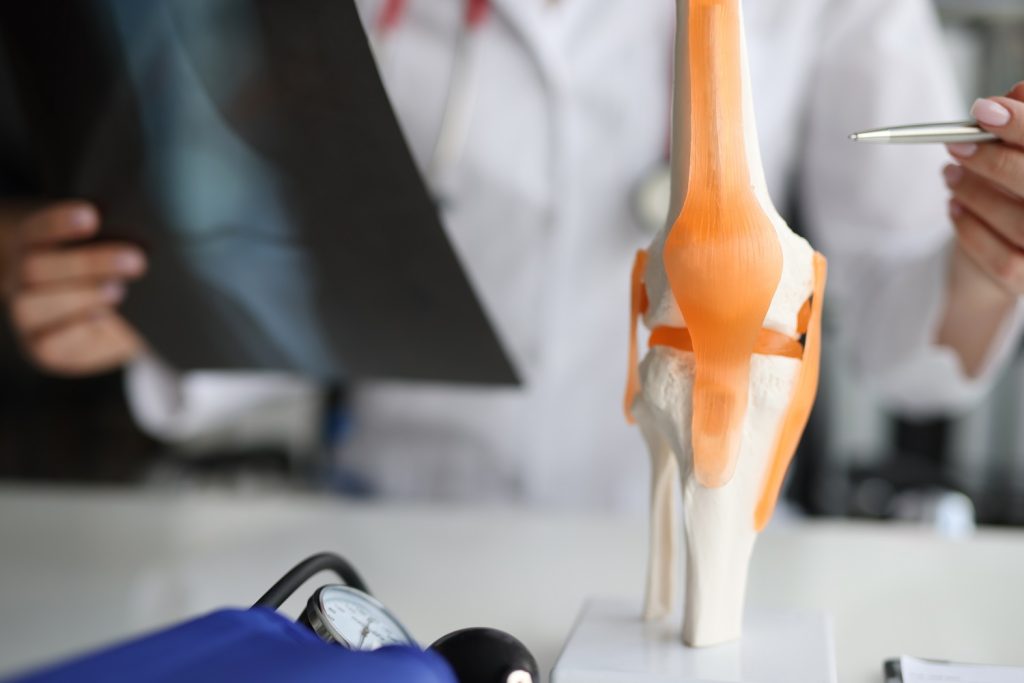
Fracture clinics such as Access Ortho offer a convenient, effective alternative to emergency departments or GP clinics for acute knee injuries:
- No referral needed
You can attend directly without waiting for a GP appointment or hospital referral.
- Access to orthopaedic specialists
Immediate advice from doctors specialising in bone, joint, and ligament injuries ensures accurate diagnosis and targeted management.
- Rapid imaging and diagnosis
Fast-tracked referral for imaging (X-rays, MRIs) allows for early confirmation of ACL or associated injuries.
- Individualised treatment plans
Whether you need non-surgical management or surgical referral, the team will tailor your care to your injury, lifestyle, and goals.
- Streamlined recovery pathway
Early rehab referral and non-surgical follow-up within the same clinic ensures coordinated care, faster return to function, and less disruption to your daily life.
Contact Access Ortho today for a rapid appointment for acute orthopaedic injuries.
Frequently Asked Questions About ACL Injuries
Can an ACL heal without surgery?
Partial ACL tears may heal with physiotherapy and bracing. However, complete tears typically do not heal on their own and may require surgical reconstruction, especially in active individuals or those with knee instability. It is, however, possible to function with a torn ACL if you are not putting high activity demands on your knee.
How do I know if I’ve torn my ACL?
Common signs include a “popping” sound, rapid swelling, instability, and difficulty bearing weight. Diagnosis is confirmed through a clinical exam and MRI.
Will I need crutches after an ACL tear?
Crutches may be used in the initial phase to reduce pain and protect the knee, especially if walking is difficult or painful. Depending on the severity, they’re often used for a few days to a few weeks.
Can I still walk with a torn ACL?
Yes, many people can still walk, especially once the swelling subsides. However, the knee may feel unstable or “give way” during certain movements.
How long will I need to wear a knee brace?
Bracing duration varies by treatment approach. After surgery, a brace may be used for 4–6 weeks. While in non-surgical rehab, it may be worn longer during activity for added support.
What is the success rate of ACL reconstruction?
ACL surgery has a success rate of 85–95% in restoring knee stability and allowing return to sport. Outcomes are best when combined with a structured rehab program.
Will I be able to return to my sport after an ACL tear?
Most athletes can return to sport within 9–12 months after surgery once strength, function, and confidence are fully restored. Proper testing and rehab are key to a safe return.
Is ACL reconstruction a day surgery or an inpatient procedure?
ACL reconstruction typically requires an overnight stay. However, some hospitals may offer day surgery. Patients go home with post-op instructions and a follow-up plan.
How painful is ACL surgery recovery?
Pain is usually moderate in the first few days but well-managed with medication, ice, and elevation. Discomfort gradually decreases as rehabilitation progresses.
Will I develop arthritis after an ACL tear?
ACL injuries can increase the chance of developing osteoarthritis later in life, especially if combined with meniscus or cartilage damage. Early treatment and rehab may reduce this risk.
How can I tell if my ACL is torn or just sprained?
Both may cause swelling and discomfort, but a torn ACL usually causes more instability and a “pop” at the time of injury. A clinical exam and MRI are needed for accurate diagnosis.
Can I prevent an ACL tear with specific exercises?
Yes. Neuromuscular training programs focusing on strength, balance, landing technique, and agility (e.g., FIFA 11+) have been proven to reduce ACL injury risk, especially in athletes.
Will my knee ever be the same after an ACL tear?
With proper treatment and rehabilitation, many people return to pre-injury activity levels, though some may notice subtle changes in strength, confidence, or performance.
How long will I need physiotherapy after ACL surgery?
Rehabilitation typically lasts 9–12 months, progressing through phases that restore motion, strength, balance, and sport-specific skills.