
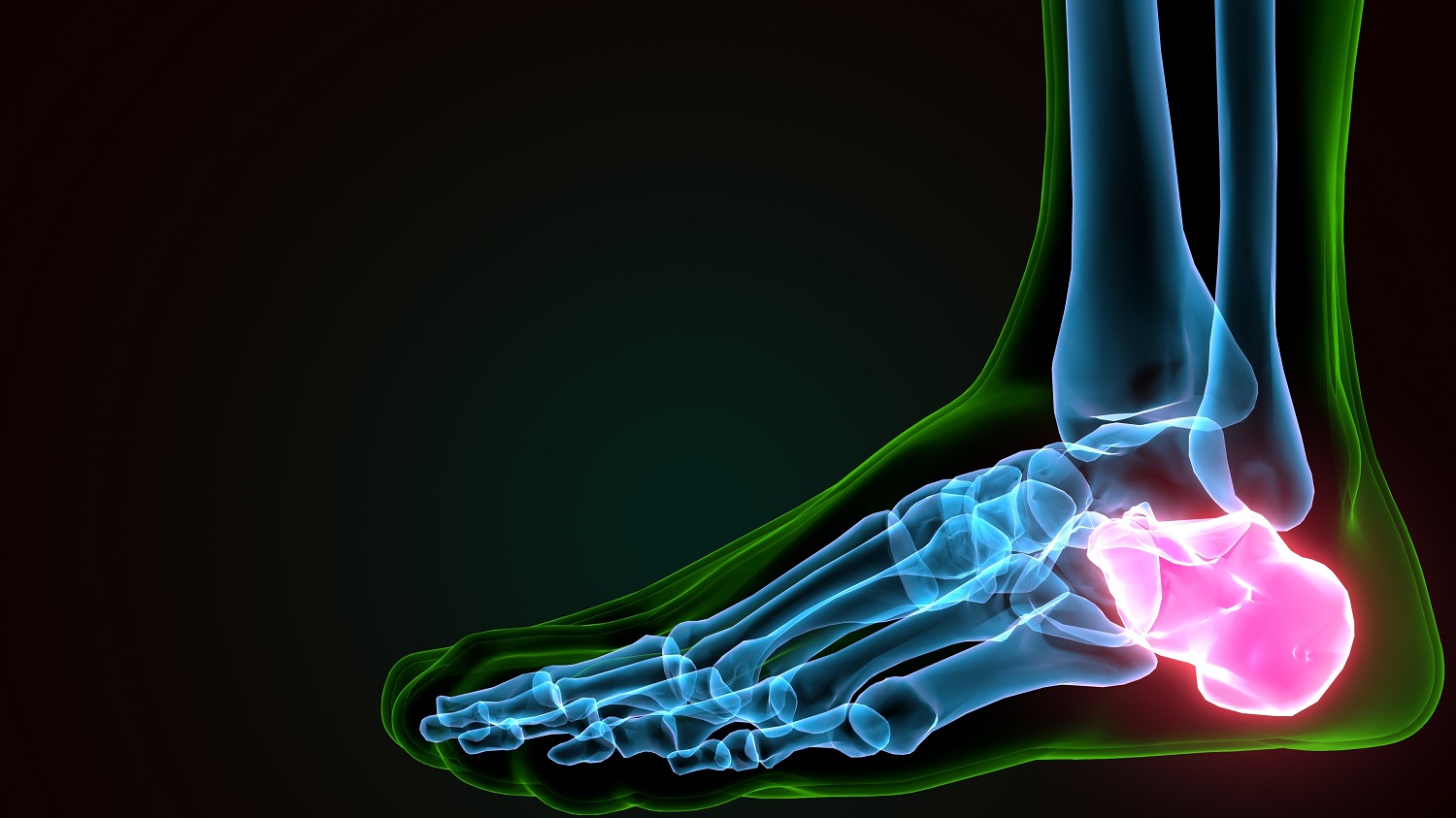
A calcaneus (calcaneal) fracture is a break in the heel bone, the largest of the tarsal bones and a key part of the rearfoot structure. This bone absorbs impact when walking, running, or jumping. Fractures of the calcaneus can be complex and serious, often affecting the subtalar joint, which helps control side-to-side movement of the foot. Early diagnosis and correct management are essential to reduce the risk of long-term pain and dysfunction.
Types of Calcaneus Fractures and Mechanism of Injury
Calcaneus fractures typically fall into two main categories:
- Intra-articular fractures – involve the subtalar joint; these are more severe and may require surgery
- Extra-articular fractures – these do not involve the joint and are often simpler to manage
- Avulsion fractures – small pieces of bone pulled off by tendons or ligaments
- Stress fractures – less common, seen in repetitive impact activities
Fractures may be displaced (bone pieces out of alignment) or non-displaced, and are often associated with high-energy trauma.
The Mechanism of Injury for Most Calcaneus Heel Bone Fractures
Calcaneus fractures are most commonly caused by:
- Falls from height, landing on the feet
- Motor vehicle accidents, especially when the foot is forcefully pressed on the brake
- Heavy impact or crush injuries to the heel
- Overuse, particularly in long-distance runners or military recruits (leading to stress fractures)
Because of the force required to break the calcaneus, other injuries, including spinal or lower limb fractures, may occur at the same time.
Due to the risk of other injuries, injuries sustained from a fall from height or a motor vehicle accident should be assessed in a hospital emergency department.
The Symptoms of a Calcaneus Heel Bone Fracture
Signs and symptoms of a calcaneus fracture include:
- Sudden, severe heel pain after trauma
- Swelling and bruising are seen around the heel and ankle
- Inability or difficulty bearing weight or walking normally
- Tenderness and pain on touching the heel
- Widening of the heel or visible deformity in displaced fractures
- In stress fractures, pain may come on gradually and worsen with activity
Diagnosis of a Calcaneus Fracture
Diagnosis involves clinical evaluation and imaging. This may include:
- X-rays, which can identify most heel bone fractures
- CT scans, used for detailed assessment of fracture patterns and joint involvement
- MRI, especially in subtle or stress-related cases, to detect soft tissue or early bone changes
Early and accurate diagnosis helps guide the most appropriate treatment and avoid complications.
Treatment Approaches for a Calcaneus Fracture
Treatment depends on the type, severity, and displacement of the fracture:
- Non-displaced fractures may be managed conservatively with a moon boot or cast, non-weight-bearing, and pain relief
- Displaced or intra-articular fractures often require surgical fixation with plates and screws to restore joint alignment and heel shape
- Stress fractures usually require rest, activity modification, and gradual return to loading
Rehabilitation is important for recovery, especially in surgical cases.
Prognosis for a Calcaneus Fracture
Recovery can be prolonged for calcaneus fractures, especially if the joint is involved. Most patients recover well with appropriate treatment, but potential complications include:
- Chronic heel pain
- Loss of range of motion in the subtalar joint
- Post-traumatic arthritis
- Changes in foot shape, including widening or flattening
- Delayed healing or stiffness without proper rehabilitation
Recovery time ranges from 8 to 12 weeks or more, depending on the injury and treatment.
Role of Access Ortho in Diagnosing and Treating Calcaneus Fractures
Access Ortho provides fast, expert care for foot and ankle injuries, including calcaneus heel bone fractures. Our experienced Orthopaedic and Emergency Nurse Practitioners, in collaboration with orthopaedic surgeons, offer:
- Rapid assessment and imaging for heel injuries
- Referral for X-rays, CT or MRI when needed
- Immediate treatment, including fitting of a moon boot, crutches, and weight-bearing advice
- Orthopaedic surgeon follow-up clinics
- Referral for surgery if required
If you’ve suffered a fall or heel trauma and are unable to walk comfortably, Access Ortho can provide a diagnosis, treatment plan and access to orthopaedic specialist advice — no referral needed.
If you have had a high-energy injury, for example, a fall from a significant height or a car accident, you should present to a hospital emergency department, as there is a high risk of serious associated injuries.