
Comprehensive Guide to Understanding, Treating, and Preventing Groin Strains.
What Are Groin Strains?
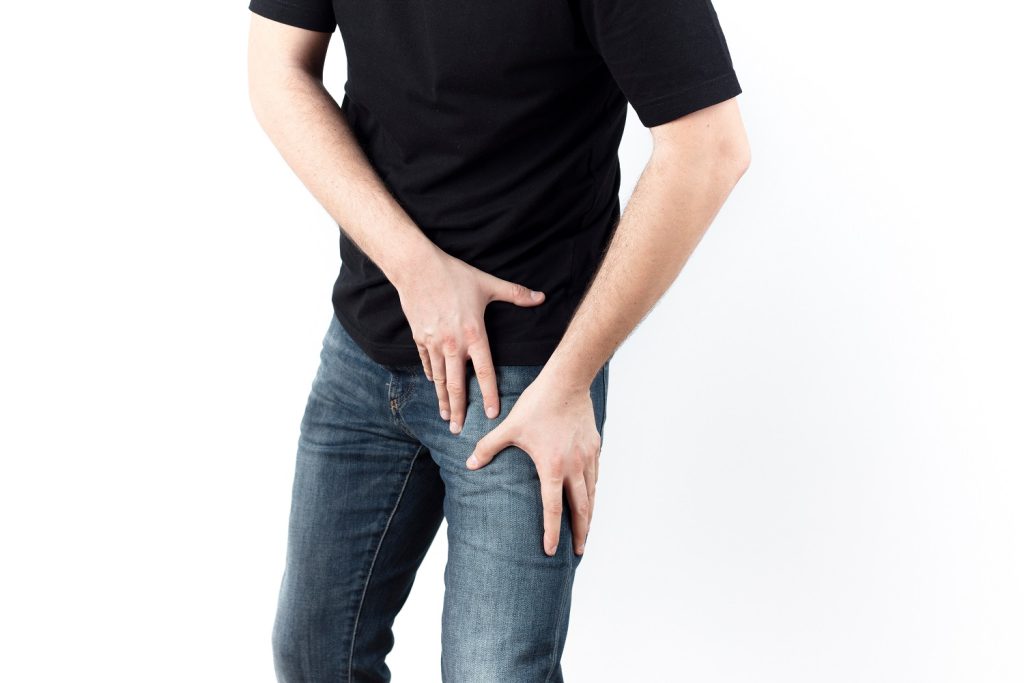
A groin strain is an injury to the muscles located in the inner thigh or front of the hip, often caused by overstretching or excessive force. These injuries are often seen in sports involving sudden changes in direction, sprinting, or kicking. Groin strains can range from mild to severe muscle tears, affecting mobility and daily activities.
Definition of Groin Strain Injuries
A groin strain happens when the adductor muscles in the inner thigh or hip flexors are overstretched or torn. This can cause pain, swelling, and decreased strength in the affected area. Groin strains are classified into three grades:
- Grade 1 (Mild): Small microtears in the muscle, causing minor discomfort but little loss of function.
- Grade 2 (Moderate): Involves a partial tear in the muscle, causing pain, weakness, and limited movement.
- Grade 3 (Severe): A complete muscle tear, often requiring medical intervention and rehabilitation.
Anatomy of the Groin Muscle Group
The groin region consists of several muscle groups, primarily the adductor muscles and hip flexors, which are essential for leg movement and stability:
- Adductor Muscle Group:
- Adductor longus
- Adductor brevis
- Adductor magnus
- Gracilis
- Pectineus
- These muscles help keep the pelvis stable and pull the legs together.
- Hip Flexors:
- Iliopsoas (Psoas major and Iliacus)
- Rectus femoris (part of the quadriceps)
- Sartorius
- These muscles help with lifting the knee and bending at the hip.
Importance of Understanding These Injuries
Recognising and managing groin strains properly is crucial for effective recovery and preventing long-term issues such as chronic pain or weakness. Key reasons why understanding these injuries matters:
- Prevention: Athletes and active individuals can reduce their risk through proper warm-ups, stretching, and strength training.
- Early Intervention: Identifying symptoms early can help avoid worsening the injury.
- Rehabilitation: Proper treatment, including physiotherapy, ensures a safe return to activity.
- Reducing Recurrence: Strengthening and mobility exercises can prevent future strains.
The medical team at Access Ortho specialises in orthopaedic injuries, such as muscle strains. They can rapidly assess, treat, and follow up on all acute orthopaedic injuries.
Anatomical Regions Affected by Groin Strains
Groin strains primarily affect the medial thigh, but they can also impact surrounding structures:
- Inner thigh (Adductor region): The most common area for strains, affecting movement and stability.
- Lower abdominal region: Some groin injuries may involve the abdominal muscles near their attachment to the pelvis.
- Hip joint and pelvis: Since the adductor muscles attach to the pelvis, strains can cause discomfort in the hip and lower abdomen.
Understanding groin strains and their impact is essential for proper treatment and recovery. If you suspect a groin strain, seeking professional assessment can help ensure the best approach to healing and preventing further injury. Access Ortho is an Urgent Care Clinic that specialises in orthopaedics.
Types of Groin Strains
Groin strains are classified into three different grades, depending on the severity of the injury:
Mild (Grade 1) Groin Strains
- A minor overstretching of the muscle without significant tearing.
- Symptoms include mild discomfort, slight tenderness, and minimal swelling.
- Pain may be present during sudden movements, but daily activities are not significantly affected.
- Recovery time is usually quick, ranging from a few days to two weeks, with proper rest and care.
Moderate (Grade 2) Groin Muscle Tears
- A partial tear of the muscle fibres leading to noticeable pain and weakness.
- Swelling and bruising may be visible, and movement can be restricted.
- Pain is present during activities such as walking, running, or changing direction.
- Recovery time can take several weeks, and physiotherapy may be required for full rehabilitation.
Severe (Grade 3) Groin Muscle Ruptures
- A complete tear or rupture of the muscle, often accompanied by a popping sensation.
- Severe pain, swelling, and significant bruising occur, with a loss of muscle function.
- Walking or standing may be difficult, and surgical intervention may be required in some cases.
- Recovery can take several months, with a structured rehabilitation program essential for regaining strength and mobility.
Differences Between Each Injury Type
- Pain Severity: Grade 1 causes mild discomfort, Grade 2 results in moderate pain, and Grade 3 leads to intense pain and loss of function.
- Mobility Impact: Mild strains may allow normal movement, moderate strains limit activity, and severe ruptures make movement very difficult.
- Healing Time: Recovery ranges from a few days for mild strains to several months for severe ruptures.
- Treatment Approach: Mild strains can be managed with rest, ice, and stretching, while moderate to severe strains may require physiotherapy or surgery.
Specific Muscle Groups Involved in Groin Strains
The muscles most commonly affected by groin strains include:
- Adductor longus – the most frequently injured muscle in groin strains, particularly in athletes.
- Adductor magnus and brevis – can also be affected, though less commonly than adductor longus.
- Gracilis – contributes to hip and knee movement and can be involved in more extensive groin injuries.
- Pectineus – helps with hip flexion and adduction and may be strained during activities requiring rapid leg movements.
- Iliopsoas and rectus femoris – though primarily hip flexors, they can also be involved in groin injuries, particularly in high-impact sports.
Importance of Understanding These Injuries
Recognising and managing groin strains properly is crucial for effective recovery and preventing long-term issues such as chronic pain or weakness. Key reasons why understanding these injuries matters:
- Prevention: Athletes and active individuals can reduce their risk through proper warm-ups, stretching, and strength training.
- Early Intervention: Identifying symptoms early can help avoid worsening the injury.
- Rehabilitation: Proper treatment, including physiotherapy, ensures a safe return to activity.
- Reducing Recurrence: Strengthening and mobility exercises can prevent future strains.
Anatomical Regions Affected by Groin Strains
Groin strains primarily affect the medial thigh, but they can also impact surrounding structures:
- Inner thigh (Adductor region): The most common area for strains, affecting movement and stability.
- Lower abdominal region: Some groin injuries may involve the abdominal muscles near their attachment to the pelvis.
- Hip joint and pelvis: Since the adductor muscles attach to the pelvis, strains can cause discomfort in the hip and lower abdomen.
Understanding groin strains and their impact is essential for proper treatment and recovery. If you suspect a groin strain, seeking professional assessment can help ensure the best approach to healing and preventing further injury. Access Ortho is a private fracture clinic / Urgent Care Centre that offers rapid appointments for acute orthopaedic injuries.
How Common Are Groin Strains?
Groin strains are a frequent musculoskeletal injury, particularly among athletes and physically active individuals. They account for a significant percentage of lower limb injuries and can range from mild discomfort to severe muscle tears requiring extended rehabilitation.
Prevalence in Sports and Physical Activities
- Groin strains make up approximately 10–15% of all sports-related injuries, particularly in high-intensity and agility-based activities.
- Athletes in sports involving sprinting, rapid direction changes, kicking, and explosive movements are at the highest risk.
- Studies show that groin injuries are most prevalent in football (soccer), Australian Rules football, and rugby.
- Amateur and recreational athletes also experience groin strains, particularly when training intensity increases suddenly or proper warm-ups are neglected.
Demographic and Activity-Related Risk Factors
Certain groups are more susceptible to groin strains based on age, sport, and level of physical activity:
- Elite and professional athletes have a higher risk due to repetitive high-impact movements.
- Males are affected more often than females. This is possibly due to anatomical and biomechanical differences.
- Insufficient warm-up and flexibility increase the risk, as tight muscles are more prone to overstretching.
- Muscle imbalances and previous injuries can make individuals more vulnerable to recurrent groin strains.
- Occupational risk exists for workers performing heavy lifting, sudden movements, or prolonged periods of standing.
Frequency Across Different Age Groups and Sports Disciplines
- Young athletes (under 20): Higher risk due to rapid growth and development, particularly in sports like football, gymnastics, and sprinting.
- Adults (20–40): The most affected group, especially in competitive and high-intensity sports.
- Older adults (40+): Risk increases due to reduced muscle flexibility and strength, often seen in recreational athletes or those returning to activity after a long break.
Most Common Sports and Activities Associated with Groin Strains
The following sports have the highest incidence of groin strains due to the nature of their movements:
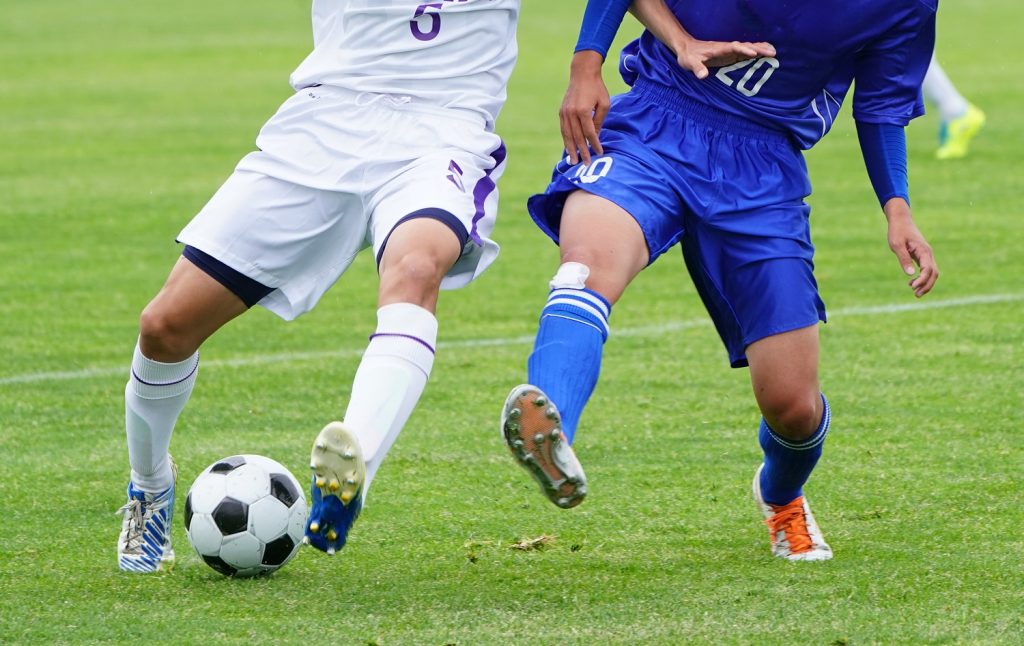
- Football (Soccer): Cutting movements, kicking, and sprinting contribute to a high rate of adductor strains.
- Australian Rules Football: Involves frequent jumping, sprinting, and tackling, increasing the risk.
- Rugby: High-impact collisions and dynamic movements often lead to groin injuries.
- Tennis and Basketball: Sudden lateral movements and explosive sprints can cause strains.
- Martial Arts and Dance: Kicking, stretching, and dynamic hip movements elevate the risk.
Groin strains are a widespread injury in both professional and recreational sports, often resulting from high-intensity movements and insufficient muscle preparation. Understanding risk factors and prevention strategies is essential for minimising injury and ensuring safe participation in physical activities.
Symptoms and Causes of Groin Strains
Groin strains are caused by the muscles in the inner thigh or hip getting overstretched or torn. They are common in activities that involve sudden, forceful leg movements. The severity of symptoms depends on the muscle damage, and they range from mild discomfort to severe pain and restricted movement.
What Causes Groin Strains?
Several factors can contribute to groin strains, particularly in sports and activities that place high demands on the adductor muscles.
Sudden Explosive Movements
- Quick, powerful movements such as sprinting, jumping, or kicking can overstretch or tear the groin muscles.
- Common in sports like football and martial arts, where bursts of speed and power are required.
Rapid Changes in Direction
- Pivoting, cutting, or side-stepping places significant strain on the inner thigh muscles.
- Sports such as basketball, rugby, and tennis require frequent direction changes, increasing the risk.
Overexertion
- Pushing the muscles beyond their normal capacity, particularly without proper conditioning, can lead to strains.
- Athletes who rapidly increase their training intensity or workload are at higher risk.
Muscle Fatigue
- Fatigued muscles lose their ability to contract efficiently, making them more vulnerable to overstretching and injury.
- Playing through fatigue or lack of adequate rest can lead to strain, especially in endurance-based sports.
Direct Impact or Trauma
- A direct blow to the groin area from a collision or fall can cause muscle tears.
- Contact sports like rugby, Australian Rules football, and MMA often involve accidental impacts that contribute to injuries.
Improper Training Techniques
- Lack of proper warm-up and stretching can leave the muscles tight and prone to injury.
- Poor biomechanics, such as incorrect landing mechanics or inefficient running form, increase the strain on the adductors.
Adductor Muscle Overload
- When the adductor muscles work harder than they are conditioned for, they become susceptible to strains.
- Weakness in supporting muscles (such as the core and hip stabilisers) can place excessive stress on the groin area.
Symptoms of Groin Strains
The severity of symptoms will differ based on the grade of the strain:
Mild (Grade 1) Symptoms
- Slight discomfort or tightness in the groin.
- Minimal swelling or bruising.
- Pain may be noticeable during sudden movements but does not significantly impact daily activities.
Moderate (Grade 2) Symptoms
- More intense pain and tenderness in the groin area.
- Swelling and possible bruising.
- Difficulty moving the leg, particularly with side-to-side movements.
- Pain when walking, running, or lifting the knee.
Severe (Grade 3) Symptoms
- Sharp, intense pain, often with a popping sensation at the time of injury.
- Significant swelling and bruising.
- Difficulty or inability to walk without pain.
- Severe weakness and loss of function in the affected leg.
Early diagnosis and appropriate treatment improve recovery and reduce the risk of further complications. Access Ortho offers an alternative to the Emergency Department or your GP and provides rapid Access to Orthopaedic Specialist Advice. If you have concerns about an injury, contact us today for a rapid appointment.
Groin Strain Risk Factors
The following factors can increase the likelihood of experiencing a groin strain, particularly for athletes and physically active individuals.
Age-Related Vulnerabilities
- Younger athletes undergoing rapid growth may have tight or imbalanced muscles, increasing the risk of strains.
- Older individuals experience reduced muscle flexibility and strength, making them more prone to injury.
Previous Injury History
- A past groin strain increases the risk of re-injury, especially if the muscle has not fully healed or rehabilitated properly.
- Scar tissue from a previous strain can reduce flexibility and strength in the affected area.
Muscle Imbalances
- Weak or underdeveloped adductor muscles, in comparison to stronger hip flexors or quadriceps, can lead to excessive strain.
- Core and pelvic muscle weakness can also contribute to decreased stability and increased stress on the groin.
Inadequate Warm-Up and Conditioning
- Failing to properly warm up before intense activity can leave muscles tight and more susceptible to injury.
- Lack of strength training and flexibility exercises can lead to decreased muscle resilience.
Sport and Activity-Specific Risks
- Sports involving quick acceleration, sudden stops, and kicking (e.g., football, rugby, ice hockey) place high demands on the groin muscles.
- Contact sports carry an added risk due to potential direct blows to the groin area.
Biomechanical Issues
- Poor running mechanics, improper landing techniques, or inefficient movement patterns can increase strain on the groin.
- Weak gluteal and core muscles can lead to over-reliance on the adductors, heightening injury risk.
Flexibility Limitations
- Reduced flexibility in the hip and groin area can lead to restricted movement and a higher chance of overstretching.
- Tight hamstrings and hip flexors can alter movement patterns, increasing strain on the inner thigh muscles.
Identifying and addressing risk factors with proper training, rehabilitation, and prevention strategies can significantly reduce the chances of developing a groin strain.
Complications of Untreated Groin Strains
Failing to treat a groin strain properly can lead to ongoing issues that affect mobility, strength, and overall physical performance. It is important to seek specialist care from medical practitioners who specialise in Orthopaedic injuries to minimise the risk of complications.
Chronic Pain
- Persistent discomfort or aching in the groin area, especially during activity.
- Can interfere with daily movements and athletic performance.
Reduced Mobility
- Stiffness and decreased movement in the hip and inner thigh.
- Difficulty performing side-to-side movements or high-intensity actions.
Muscle Weakness
- A weakened adductor muscle group can reduce leg stability and power.
- Can affect overall lower body strength and coordination.
Compensation Injuries
- Over-reliance on other muscle groups (such as the lower back, hips, or quadriceps) can lead to secondary injuries.
- Increased strain on the opposite leg or surrounding joints, causing further imbalances.
Increased Risk of Re-Injury
- An improperly healed groin strain is more susceptible to future tears or overstretching.
- Scar tissue formation can reduce flexibility, making the muscle less resilient.
Long-Term Performance Limitations
- Athletes may experience a decline in speed, agility, and explosive movements.
- Reduced confidence in movement, affecting overall sporting performance and activity levels.
Proper rehabilitation, strengthening, and flexibility training help prevent long-term complications and ensure a full recovery.
Diagnosis and Tests for Groin Strains
Accurately diagnosing a groin strain is essential to help assess the injury’s severity and guide appropriate treatment. Medical professionals use clinical assessments and imaging techniques to evaluate muscle damage and exclude other possible causes of groin pain.
How Are Groin Strains Diagnosed?
A thorough assessment helps identify the injury’s location, severity, and impact.
Comprehensive Physical Examination
- The clinician assesses the affected area for tenderness, swelling, bruising, and muscle tightness.
- Gentle palpation of the groin muscles helps determine the exact site of injury.
Patient History Assessment
- Questions about how the injury occurred, previous groin issues, and activity levels provide critical insights.
- Information about pain onset, movement limitations, and aggravating factors helps with diagnosis.
Range of Motion and Strength Tests
- The patient is asked to perform leg movements, such as hip flexion, abduction, and adduction, to assess flexibility and discomfort.
- Strength testing of the adductor muscles is conducted to check for weakness or instability.
Pain Pattern Analysis
- Identifying whether pain is sharp, dull, or radiating can help determine whether it is typical of a muscle strain or other conditions, such as hip impingement or nerve compression.
- Pain location and severity provide clues to the degree of muscle damage.
Functional Movement Screening
- To assess functional limitations, patients may be asked to perform sport-specific movements, such as cutting, pivoting, or jumping.
- Observing biomechanics can reveal underlying factors contributing to the injury.
Diagnostic Tests for Groin Strains
When a physical examination is inconclusive or a severe strain is suspected, imaging tests might be used to confirm the diagnosis and rule out other conditions.
Clinical Imaging Techniques
- Used to assess soft tissue damage and detect underlying structural issues.
- Helps differentiate between mild, moderate, and severe muscle injuries.
MRI Scans
- Provides detailed images of muscle, tendon, and ligament structures.
- Useful for detecting the extent of a tear and any associated inflammation.
Ultrasound Diagnostics
- A dynamic imaging tool that allows real-time assessment of muscle movement and tears.
Advanced Imaging Considerations
- In cases where symptoms persist despite treatment, additional imaging may be needed to assess chronic or recurrent groin pain.
- Contrast-enhanced imaging can help visualise deeper structures that may contribute to the injury.
Electromyography (EMG)
- Assesses muscle function by measuring electrical activity in the affected area.
- Helps identify nerve-related issues that could mimic groin strains.
Differential Diagnosis Approaches
- Groin pain can stem from various sources, including hip labral tears, hernias, or pelvic stress fractures.
- A comprehensive diagnostic approach ensures that conditions with similar symptoms are ruled out.
Early and accurate diagnosis of groin strains is crucial for effective treatment and a full recovery. For an accurate diagnosis and expert care, visit Access Ortho, where our specialists can assess your groin strain and provide tailored treatment to ensure a full recovery.
Management and Treatment of Groin Strains
Effective treatment of groin strains focuses on reducing pain, promoting healing, restoring strength, and preventing re-injury. A combination of immediate care, professional treatment, and structured rehabilitation ensures a safe and efficient recovery.
Immediate Treatment Approaches
Early intervention helps manage pain and minimise further damage.
RICE Protocol (Rest, Ice, Compression, Elevation)
- Rest: Avoid activities that aggravate the muscle to prevent worsening of the strain.
- Ice: For the first 48 hours, keep ice packs on for 15–20 minutes every couple of hours to reduce swelling and pain.
- Compression: Using a groin wrap or compression shorts can provide support and reduce swelling.
- Elevation: Keeping the leg elevated when possible helps control inflammation.
Pain Management Strategies
- Pain relievers like ibuprofen or paracetamol) can help manage discomfort.
- Topical anti-inflammatory gels may be used for localised relief.
Initial Rehabilitation Considerations
- Gentle stretching and mobility exercises may be introduced early to maintain flexibility.
- Avoidance of high-impact movements until pain subsides.
Acute Injury Management Techniques
- Load management strategies ensure a gradual return to activity without overloading the injured muscle.
- Early intervention with physiotherapy can speed up healing and reduce the risk of chronic issues.
Professional Treatment Options
For moderate to severe groin strains, professional care can aid in recovery and prevent complications.
Physiotherapy Techniques
- Targeted exercises to improve strength and flexibility while minimising strain on the injury.
- Soft tissue release and manual therapy to reduce muscle tension and promote healing.
Advanced Rehabilitation Protocols
- Gradual progression from low-impact exercises to sport-specific drills.
- Monitoring of movement patterns to correct biomechanical imbalances.
Manual Therapy Approaches
- Myofascial release and massage to reduce scar tissue and enhance muscle recovery.
- Joint mobilisation to restore normal hip and pelvic function.
Minimally Invasive Interventions
- In cases of persistent pain or severe tears, corticosteroid injections may be discussed to reduce inflammation.
- Platelet-rich plasma (known as PRP) therapy may be used to promote tissue healing.
Regenerative Medicine Approaches
- For chronic or severe injuries, stem cell therapy and other regenerative techniques may be explored.
- Research is ongoing in the use of biologics to accelerate muscle repair.
The Orthopaedic Team at Access Ortho will discuss your best treatment options.
Rehabilitation and Recovery
A structured rehabilitation program is key to a full recovery and preventing re-injury.
Progressive Exercise Programs
- A phased approach starting with gentle movements and progressing to dynamic strength training.
- Gradual reintroduction of sport-specific drills to prepare for return to activity.
Strength and Flexibility Training
- Strengthening the adductor muscles and surrounding stabilisers to improve resilience.
- Stretching and mobility exercises to help maintain range of motion.
Muscle Rebuilding Strategies
- Neuromuscular training to improve coordination and reduce the risk of compensation injuries.
- Focus on core and hip stability to support the groin muscles.
Return to Sport/Activity Guidelines
- A step-by-step return-to-play protocol based on pain levels, strength, and functional ability.
- Avoiding high-intensity activity until full strength and flexibility are restored.
Psychological Aspects of Recovery
- Addressing fear of re-injury and rebuilding confidence through gradual exposure to movement.
- Mental strategies, such as visualisation and goal setting, to support rehabilitation progress.
The Role of Fracture Clinics in Treating Groin Strains
Fracture clinics manage bone-related injuries and play a vital role in treating soft tissue injuries like groin strains. At Access Ortho, our specialists provide expert assessment, imaging referral, and tailored treatment plans to support a safe and efficient recovery. From initial diagnosis to rehabilitation, we ensure patients receive comprehensive care so they can return to their daily activities or sport with confidence.
Prevention Strategies
Preventing groin strains involves a combination of proper preparation, strength training, and movement optimisation.
- Proper Warm-Up Techniques – Dynamic stretching and activation exercises help prepare the muscles for activity.
- Strength and Conditioning Exercises – Targeted strengthening of the adductors, core, and hip stabilisers improves muscle resilience.
- Flexibility Training – Regular stretching maintains mobility and reduces the risk of overstretching injuries.
- Biomechanical Assessment – Identifying and correcting movement inefficiencies can prevent excessive strain on the groin muscles.
- Injury Prevention Protocols for Athletes – Tailored programs incorporating balance, coordination, and agility training help reduce injury risk.
- Sport-Specific Training Modifications – Adjusting technique and workload based on individual needs ensures safer movement patterns.
By incorporating these strategies, athletes and active individuals can significantly lower their risk of groin strains.
Outlook and Prognosis for Groin Strains
Groin strains generally have a good prognosis with proper treatment and rehabilitation. However, recovery timelines and outcomes will change based on the severity of the injury and individual factors.
Recovery Expectations
- Typical Recovery Timelines:
- Grade 1 (Mild): Recovery typically takes 1–2 weeks, with gradual return to activity once pain subsides.
- Grade 2 (Moderate): Recovery may take 3–6 weeks, depending on rehabilitation and the severity of the strain.
- Grade 3 (Severe): Recovery can take 6–12 weeks or longer, especially if surgical intervention is needed.
- Factors Influencing Recovery:
- Age, overall health, and fitness levels can impact healing times.
- Adherence to rehabilitation protocols, including strength and flexibility exercises, plays a critical role in recovery.
- Previous injury history and muscle imbalances may also affect recovery duration.
- Long-Term Muscle Health Considerations:
- Muscle weakness, reduced flexibility, and the risk of re-injury can persist without proper rehabilitation.
- Addressing imbalances and ensuring full recovery can reduce the likelihood of chronic issues.
Return to Full Function Expectations
- With adequate rehabilitation, most individuals can return to full function within a few weeks to months, depending on the severity of the strain.
- Full recovery includes restored strength, flexibility, and confidence in movement.
Return to Activity
- Criteria for Resuming Sports:
- Pain-free movement, full range of motion, and restored muscle strength are key markers for returning to sports.
- Functional movement tests, such as sprinting, cutting, and kicking, help ensure readiness for high-intensity activities.
- Gradual Reintroduction to Physical Activities:
- A phased return to activity, beginning with low-impact exercises and progressing to sport-specific drills, helps prevent re-injury.
- Cross-training and gradual load increases are essential to avoid overloading the healing muscles.
- Performance Expectations Post-Injury:
- Athletes may initially experience some loss of power or speed but can typically regain pre-injury performance with appropriate training.
- Mental and physical confidence in movement will improve over time as strength and flexibility are rebuilt.
Monitoring and Follow-Up Recommendations
- Regular follow-up appointments with healthcare providers, including the orthopaedic team and physiotherapists, ensure that recovery is progressing as expected.
- Ongoing assessments can help detect early signs of re-injury or complications.
- Monitoring performance metrics and adjusting training loads can optimise recovery and minimise the risk of future strains for athletes.
By following a comprehensive recovery and rehabilitation plan, most people can return to their previous level of activity with reduced risk of future groin strains.
When to Seek Professional Help
Knowing when to seek specialist medical care for a groin strain is essential to ensuring proper recovery and avoiding long-term complications. While many mild strains can be managed at home, certain signs may indicate the need for more immediate or specialised care.
Signs of Severe Injury
- Sharp, intense pain when the injury occurs or during movement could indicate a more serious muscle tear or rupture.
- Severe swelling or bruising around the groin area, suggesting internal bleeding or muscle damage.
- The inability to bear weight or put pressure on the affected leg may indicate a Grade 3 tear or other complications.
Persistent Pain Indicators
- Ongoing pain that doesn’t improve with rest and over-the-counter pain relievers after a few days could signal a more severe injury or the need for professional intervention.
- Pain that increases with everyday activities, even after applying the RICE protocol, may require further investigation.
Limitations in Movement
- Difficulty performing basic movements, such as walking, squatting, or bending, can indicate significant muscle damage or inflammation.
- A healthcare professional should assess decreased movement in the hip and groin area that persists beyond a couple of days.
Professional Assessment Recommendations
- If you experience any of the signs above, it’s important to get a medical assessment to determine the degree of the injury and to help determine the appropriate course of treatment. Access Ortho specialises in musculoskeletal injuries and will help tailor your treatment plan.
Red Flags Requiring Immediate Attention
- Numbness or tingling in the groin, leg, or foot could suggest nerve involvement or compression.
- Severe swelling and deformity, or if the injury occurred after a direct blow or fall, could indicate a serious underlying issue, for example, a fracture.
- Signs of infection, including redness, warmth, or fever, could signal complications that require urgent medical care.
The Role of Fracture Clinics in Treating Groin Strains
In some cases, groin strains may be accompanied by fractures or severe musculoskeletal injuries. While general practitioners (GPs) can provide essential advice and treatment plans, seeking care at an Urgent Care Clinic that specialises in musculoskeletal injuries, such as Access Ortho, offers the benefit of specialised assessment.
Access Ortho provides immediate access to musculoskeletal experts who can diagnose and treat groin strains and related injuries more efficiently than a GP. These clinics often can refer for advanced imaging technology, like MRI and ultrasound, which can help determine the severity of the injury. Moreover, with the expertise of orthopaedic specialists, you can receive a tailored treatment plan for faster recovery and more effective rehabilitation.If you suspect a severe groin strain or have difficulty recovering from mild symptoms, visiting an Urgent Care Clinic, such as Access Ortho, ensures you get the proper treatment from specialists who focus specifically on musculoskeletal injuries.

Commonly Asked Questions
How long does a groin strain take to heal?
The recovery time for a groin strain depends on the severity of the injury. Mild strains (Grade 1) may take 1–2 weeks, moderate strains (Grade 2) around 3–6 weeks, and severe strains (Grade 3) can take 6–12 weeks or longer, depending on the treatment and rehabilitation approach.
Can I continue exercising with a groin strain?
It’s essential to avoid exercises that cause pain or discomfort. Low-impact exercises might be possible in the early stages of recovery, for example, swimming or cycling. A medical practitioner can guide you on what exercises are safe based on the severity of your injury.
What are the most effective rehabilitation exercises?
Rehabilitation exercises typically include gentle stretching, strengthening the adductors (inner thigh muscles), and hip stability exercises. Exercises like leg raises, clamshells, and resistance band training can help rebuild strength and flexibility as recovery progresses.
How can I prevent groin strains in the future?
Preventing future groin strains involves regular warm-up and cool-down routines, strength and conditioning exercises for the adductors and core, maintaining flexibility, and correcting any biomechanical imbalances through professional assessment.
When should I see a sports medicine professional?
If you experience persistent pain, difficulty moving, or swelling that doesn’t improve after a few days of rest, consult a sports medicine professional or orthopaedic team, such as Access Ortho. A professional can assess the injury, rule out other conditions, and provide a tailored treatment plan.
Are some people more prone to groin strains?
Individuals with previous groin injuries, muscle imbalances, inadequate flexibility, or those participating in high-intensity sports (e.g., football, soccer, hockey) are at higher risk of groin strains. Age and overall fitness level can also play a role.
Can groin strains be completely cured?
With proper treatment and rehabilitation, groin strains can generally be fully healed. However, failure to follow rehabilitation guidelines or returning to activity too early may lead to chronic issues or recurrent injuries.
What’s the difference between a mild and severe groin strain?
- Mild (Grade 1): Minor stretch or tear in the muscle, causing minimal pain and no loss of strength or function.
- Severe (Grade 3): Complete rupture of the muscle or tendon, often accompanied by significant pain, swelling, and a loss of function.
How do I know if my groin strain is serious?
Your groin strain may be serious if you experience intense pain, significant swelling, bruising, or difficulty moving or bearing weight. Additionally, seeking professional medical advice is important if symptoms don’t improve after a few days of rest. Access Ortho offers rapid access to specialist orthopaedic advice.
What are the long-term effects of untreated groin strains?
Untreated groin strains can lead to chronic pain, weakness, limited range of motion, muscle imbalances, and an increased risk of re-injury. In severe cases, it may affect daily activities or athletic performance in the long run.
Do fracture clinics treat groin strains?
Yes, fracture clinics such as Access Ortho can treat groin strains, particularly if the injury involves complications like fractures or severe muscle tears. These clinics provide specialist care, including diagnosis, rehabilitation, and advanced treatment options tailored to soft tissue injuries.