
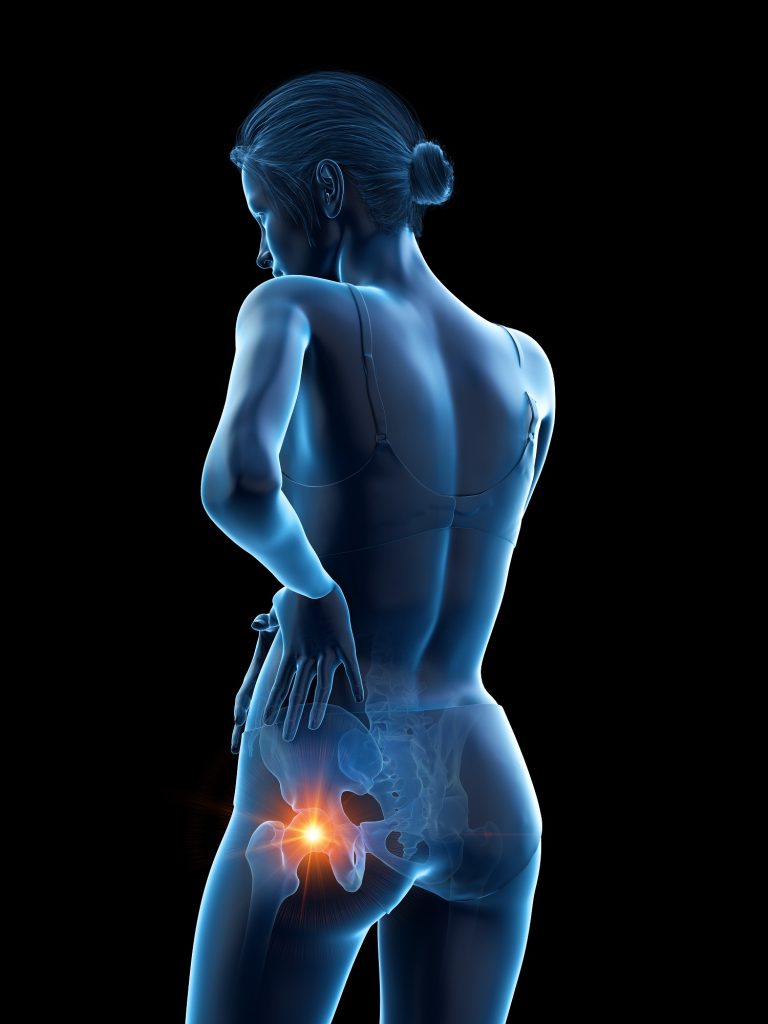
Causes, Diagnosis, Treatment, and Recovery from Hip Injuries
What is a Hip Injury?
Hip injuries involve damage to the joint or the surrounding muscles, ligaments, tendons, or bones. Because the hip is a major weight-bearing joint and is responsible for a wide range of motion, it is vulnerable to both acute trauma and chronic wear and tear.
Injuries can range from mild soft tissue strains to serious fractures or dislocations, sometimes requiring surgical treatment. At Access Ortho, we provide fast, accurate assessment and treatment for all types of acute hip injuries—no referral needed.
What are the Different Types of Hip Injuries?
- Hip Fractures: These are common in older adults and include femoral neck, intertrochanteric, and subtrochanteric fractures. They require hospital care.
- Hip Dislocations: Often result from high-impact trauma and require immediate medical attention. These require hospital care.
- Labral Tears: Damage to the cartilage ring around the hip socket; may cause pain, catching, or instability.
- Hip Impingement (FAI): Abnormal contact between hip bones can lead to joint damage over time. This is a chronic condition, and you should see your GP about this.
- Trochanteric Bursitis: Inflammation of the bursa on the outer hip, often causing lateral hip pain. This is a chronic condition, and you should see your GP about this.
- Muscle Strains: Overstretching or tearing of the hip flexors, hamstrings, or adductors.
- Tendonitis: Overuse injuries, such as iliopsoas or gluteal tendonitis, are common in athletes.
- Hip Pointer: A deep bruise to the iliac crest, often seen in contact sports.
- Acetabular Fractures: Fractures of the hip socket, usually from trauma. These injuries require hospitalisation.
- Avascular Necrosis: Loss of blood flow to the femoral head leading to bone collapse.
- Stress Fractures: This is when tiny cracks in the bone occur from overuse, common in runners.
How Common are Hip Injuries?
Hip injuries represent 10–15% of adult sports-related injuries and are especially common in older adults. Over 300,000 Australians experience hip fractures each year, typically due to falls and age-related bone loss. At Access Ortho, we frequently see hip issues ranging from athletic overuse injuries to post-fall complications in older patients. However, when it is evident that a hip fracture has occurred, the patient should be taken to the hospital urgently.
Symptoms and Causes
At Access Ortho, many patients present with hip pain that impacts their walking, sleep, or sports participation. Symptoms may appear suddenly after trauma or develop over time. As Access Ortho only treats acute injuries, if you have had long-term hip pain, you should discuss your concerns with your GP.
Symptoms of Hip Injuries
- Groin or outer hip pain
- Swelling or bruising
- Reduced range of motion
- Clicking or locking sensation
- Pain when walking, standing, or climbing stairs
- Difficulty sleeping on the affected side
- Inability to bear weight
What Causes Hip Injuries?
- Trauma – Falls, car accidents, or contact sports can lead to fractures, dislocations, or soft tissue injuries.
- Overuse – Repetitive movements in running or dancing can strain tendons and muscles.
- Age-related Changes – Cartilage wears down with age, increasing the risk of arthritis.
- Osteoporosis – Weak bones break more easily, even with minor falls.
- Congenital Conditions – Hip dysplasia or alignment issues can predispose individuals to injury.
- Muscle Imbalances – Weak or tight muscles alter joint mechanics, which may lead to overuse injuries.
- Previous Injuries – Old injuries that occurred in the past can leave the hip more vulnerable to future problems.
- High-impact Activities – Jumping, pivoting, or heavy lifting can contribute to joint stress.
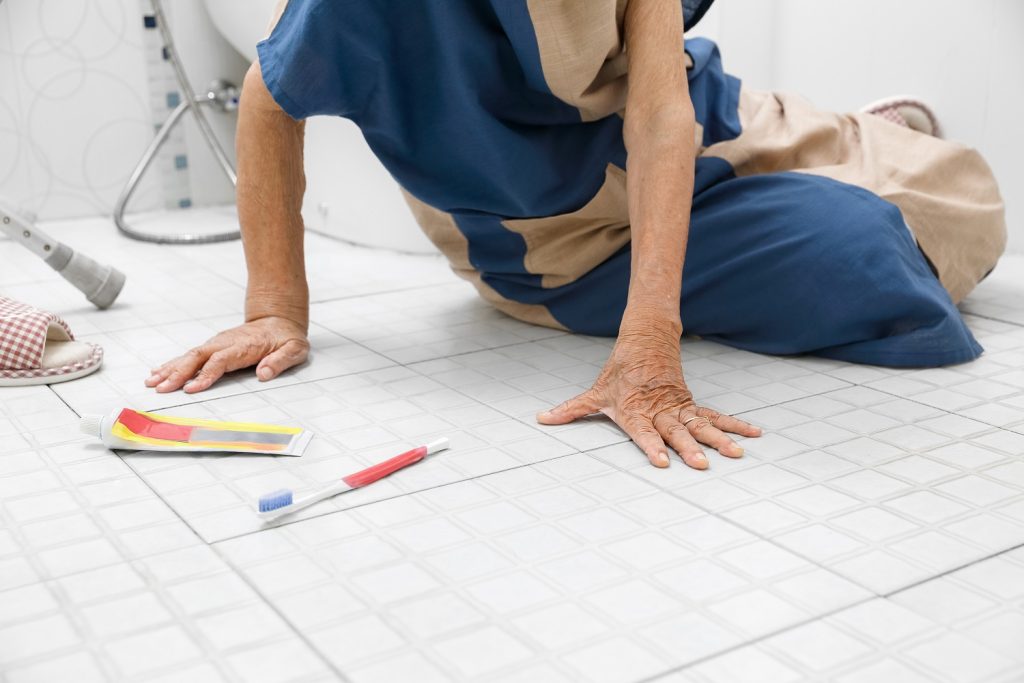
What are Hip Injury Risk Factors?
- Older Age: Fracture risk increases due to bone loss and reduced balance.
- Gender: Women are more prone to osteoporosis and certain soft tissue injuries.
- Low Bone Density: A decrease in bone density can increase the risk of stress fractures or falls.
- Contact or High-Impact Sports: Athletes in football, rugby, or running face more frequent hip injuries.
- Obesity: Extra body weight places strain on joints.
- Previous Hip Problems: Old injuries or surgeries may weaken the joint.
- Family History: Genetic conditions can influence joint structure.
- Improper Training: Poor technique or overtraining can lead to overuse.
- Anatomical Variations: Structural differences may predispose certain individuals to injury.
What are the Complications of Hip Injuries?
Depending on the injury, many complications can occur following a hip injury. It is important to get medical care from a specialist who understands musculoskeletal injuries and is aware of the complications that may develop if injuries are poorly managed.
- Chronic Pain: Persistent discomfort can limit daily function.
- Mobility Loss: Severe injuries may reduce walking ability.
- Osteoarthritis:Repeated trauma or joint changes can accelerate arthritis.
- Avascular Necrosis: Interruption in blood supply may damage bone tissue.
- Blood Clots: Prolonged immobility after injury or surgery increases DVT risk.
- Surgical Risks: Infection, hardware failure, or stiffness may occur post-op.
- Loss of Independence: Especially in older patients, hip injury may impact the ability to live alone.
- Mental Health Effects: Chronic pain or loss of function can affect mood.
- Gait Changes: Altered walking patterns can strain the lower back or knees.
Diagnosis and Tests
How are Hip Injuries Diagnosed?
Diagnosis starts with a full history and physical examination. The clinician will assess pain location, range of motion, stability, and signs of inflammation. At Access Ortho, our orthopaedic-trained team provides rapid assessment and imaging when needed.
Which Tests Do Providers Use?
This is a list of tests that patients with hip injuries may be referred for. Your medical practitioner will decide which tests each individual patient requires.
- X-rays: First-line test to assess bones and joint spacing.
- CT Scan: Offers detailed imaging for complex fractures.
- MRI: Excellent for visualising soft tissues like labrum, tendons, or cartilage.
- Ultrasound: Useful for fluid collection, tendon injuries, or injections.
- Bone Scan: Helps detect stress fractures or infection.
- Arthrogram: Contrast dye study used to examine the labrum or joint capsule.
- Hip Arthroscopy: A minimally invasive procedure to inspect or treat the joint.
- Blood Tests: Rule out infection or inflammatory conditions.
- DEXA Scan: Assesses bone density, especially in older adults.
- Gait Analysis: Observes walking pattern for biomechanical issues.
Specific Considerations for Hip Injuries
Management of hip injuries varies greatly depending on specific considerations. The following outlines some differences medical staff need to consider when planning treatment.
Hip Injuries in Athletes vs. Elderly Patients
Athletes often present with labral tears, muscle strains, or impingement, requiring early rehab and return-to-sport plans. Older adults may suffer from fractures or bursitis, with treatment focused on mobility, fall prevention, and independence.
Paediatric Hip Injuries
Children may experience unique conditions, such as slipped capital femoral epiphysis or Perthes disease. These require careful assessment and orthopaedic follow-up. A missed diagnosis has the potential for significant long-term issues.
Hip Injuries During Pregnancy
Hormonal changes and joint laxity can lead to pelvic girdle pain or hip instability. When hip symptoms occur during pregnancy, management focuses on safe movement and physiotherapy.
Hip Injuries vs. Lower Back Problems
Hip pain is frequently mistaken for back pain and vice versa. Proper diagnosis is key to identifying the true source of symptoms.
Management and Treatment
Early assessment and treatment improve outcomes and prevent complications. At Access Ortho, we offer immediate access to orthopaedic care, referrals for imaging, and management plan formulation.
How are Hip Injuries Treated?
The treatment of hip injuries will vary greatly depending on the hip concern. The following is a list of possible treatment options, but of course, not all will be relevant to all injuries.
Conservative Treatments:
- RICE Protocol – Rest, ice, compression, and elevation.
- Pain Medications – NSAIDs, paracetamol, or stronger medications if required.
- Physiotherapy – Tailored exercise programs aimed at restoring strength and mobility.
- Assistive Devices – Crutches, walkers, or canes may assist patients in reducing the load on their hips.
- Activity Modification – Avoid aggravating movements.
- Injections – Corticosteroids or guided injections may be recommended for pain relief.

Surgical Interventions:
At times, surgery may be recommended for the treatment of some hip injuries. This is a list of possible hip surgeries that may be undertaken for hip concerns.
- Hip Arthroscopy – For labral repairs or impingement.
- ORIF – Fixes fractures using screws, plates, or rods.
- Hip Replacement – For severe arthritis or fractures.
- Labral Repair – Reattaches torn cartilage.
- FAI Correction – Reshapes bone to reduce impingement.
- Tendon or Muscle Repair – For complete tears or avulsions.
Access Ortho will refer you to an orthopaedic surgeon in the private or public system if surgery is required.
Post-Treatment Rehabilitation
Recovery plans are based on your injury and treatment. Physiotherapy is essential for regaining strength, range of motion, and a safe return to activity. Always follow your physiotherapist or surgeon’s advice closely. The rehabilitation plan will alter greatly depending on the particular injury.
Prevention
Not all hip injuries are preventable; sometimes they just happen. But taking care of your joints goes a long way.
How Can I Prevent Hip Injuries?
- Healthy Weight – Reduces stress on joints.
- Balanced Diet – Supports bone strength with calcium and vitamin D.
- Regular Exercise – Builds muscle and maintains mobility.
- Flexibility & Balance – Prevent falls and improve movement.
- Proper Footwear – Supports alignment and shock absorption.
- Safe Techniques – Learn correct lifting and sports mechanics.
- Fall Prevention – Use handrails, remove trip hazards, and improve lighting.
- Home Modifications – Non-slip mats, stair rails, or assistive devices.
- Bone Density Testing – Screen for osteoporosis if at risk.
- Cross-training – Avoid repetitive overuse of the same movements.
Outlook / Prognosis
What Can I Expect If I Have a Hip Injury?
Outcomes depend on the type of injury, your age, health, and how early treatment starts. With proper care, most patients recover fully or significantly improve.
What is the Recovery Time?
These times are a guide only.
- Strains & Tendonitis – 2–6 weeks
- Labral Tear (non-surgical) – 6–12 weeks
- Fractures (non-surgical) – 6–12 weeks
- Post-op recovery – 3–6 months or more, depending on surgery type
When Should I Go to a Hip Specialist?
It can be difficult to determine when you should seek medical help. The following should be used as a guide to when you may need specialist help. However, if you have any concerns, it is worth seeking professional advice.
- Pain lasting more than a few days
- Inability to walk or put weight on the leg
- Visible swelling or bruising
- Clicking, locking, or grinding with pain
- Difficulty sleeping due to hip pain
- Sudden pain after a fall or twist
- Symptoms not improving with rest or medication
What is an Orthopaedic Hip Clinic?
An orthopaedic hip clinic is typically part of an orthopaedic clinic. The medical staff within the clinic are skilled in the care of orthopaedic injuries, including hip injuries.
Access Ortho is an acute injuries fracture and orthopaedic clinic. We treat all types of joint and bone injuries, including hip pain, without the wait. You’ll receive expert care, fast.
Frequently Asked Questions About Hip Injuries
Can hip injuries heal without surgery?
Yes, many soft tissue injuries and even some fractures can be managed conservatively without the need for surgery.
How do I know if my hip pain is serious?
If the pain limits movement, causes a limp, keeps you up at night, or causes concern, you must speak to a medical provider.
Should I use heat or ice?
Ice can help minimise swelling and pain and is used immediately after an injury. Heat can help ease stiffness and pain after the acute injury phase.
Can I exercise with a hip injury?
If exercise is causing your hip injury to worsen, you should stop. Rest is important for healing; therefore, you should only exercise under the guidance of your medical practitioner.
What’s the difference between hip bursitis and arthritis?
While both hip bursitis and arthritis can cause hip pain, they affect different structures within the joint area and have different causes and treatments.
Hip bursitis is the inflammation of the bursae, small fluid-filled sacs that act as a cushion and decrease friction between bones, tendons, and muscles. In the hip, the most common type is trochanteric bursitis, which causes pain on the outer side of the hip, often worse when lying on that side or with direct pressure. It’s typically caused by overuse, trauma, or poor biomechanics.
Hip arthritis, particularly osteoarthritis, is a degenerative condition that affects the cartilage inside the hip joint. It leads to pain deep in the groin or front of the hip, stiffness, and reduced range of motion. It results from wear and tear over time, previous injuries, or inflammatory conditions.In short, bursitis affects the soft tissues outside the joint, while arthritis affects the joint itself. At Access Ortho, we help differentiate between the two and guide the right treatment plan for lasting relief.
How long is the recovery from hip arthroscopy?
About 6–12 weeks, however, this will depend on the procedure, and you must get advice from your surgeon about this.
Will I need physiotherapy after a fracture?
Physiotherapy and structured rehab are key to a full recovery after a fracture. Speak to your medical team about what therapy you require.
Can hip injuries cause back pain?
Hip injuries can lead to back pain. Often, this can be because your walking pattern changes, and the muscles in the area may be inflamed. In addition, it can be hard to differentiate between hip and back pain. Your medical practitioner should be able to diagnose your concern properly.
What exercises should I avoid?
When you have an injury, avoid high-impact activities or things that worsen pain until you have spoken to your medical team.
Does hip replacement cure pain?
Hip replacement surgery helps in minimising pain for most people. However, recovery takes time, and proper rehabilitation and care must be taken to ensure a successful recovery.
How can I sleep with hip pain?
If you are having trouble sleeping due to hip pain, it is recommended that you change your sleeping position, use pillows for support, and avoid sleeping on the sore side.
Are hip injuries more common in women?
Some particular injuries are more common in women, for example, bursitis or osteoporosis-related fractures.
Can I drive after hip surgery?
You usually need to wait 4–6 weeks before driving after hip surgery. You should also get clearance from your surgeon. If any of your symptoms before or after surgery limit your ability to drive a car safely, you should not drive until these are resolved.
What’s the success rate of surgery for hip fractures?
Hip fracture surgery is generally very successful. Exact patient outcomes depend on various factors, including the patient’s age, overall health, fracture type, and the surgical method used (e.g., internal fixation, partial or total hip replacement).
For otherwise healthy adults, the surgery reliably restores mobility and reduces pain, with most patients returning to their previous level of independence or close to it. In older adults, outcomes are more variable and often depend on pre-existing medical conditions and how well rehabilitation is followed. Complications like infection, blood clots, or impaired mobility can occur, but are closely monitored and managed in modern orthopaedic care.
How do I avoid reinjury?
After an injury, it is important to follow rehab advice, keep yourself strong and mobile, and note and make modifications if you notice pain or other symptoms developing.