
Comprehensive Guide to Understanding, Treating, and Preventing Knee Dislocations
What is a Dislocated Knee?
A knee dislocation is diagnosed when the bones making up the knee joint (the femur, tibia, and sometimes the patella) are forced out of their normal alignment. It is a rare but serious injury that usually results from high-energy trauma.
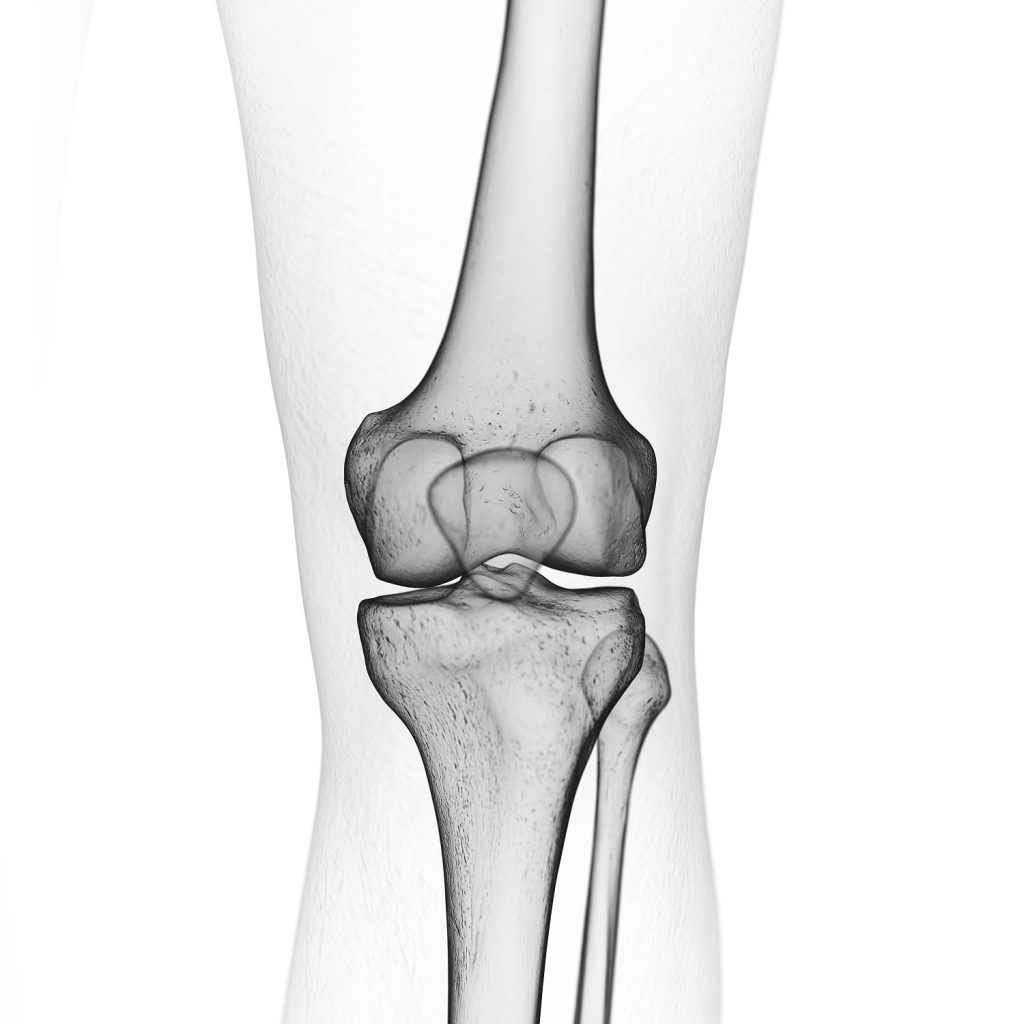
Anatomy of the Knee Joint
The knee joint is made up of three main bones:
- Femur (thighbone)
- Tibia (shinbone)
- Patella (kneecap)
- These bones are held together by strong ligaments (ACL, PCL, MCL, and LCL) and supported by tendons, muscles and cartilage, all working together to provide stability, strength, and movement.
Severity and Critical Nature of Knee Dislocations
Knee dislocations are considered severe injuries because they almost always involve ligament tears and can also damage blood vessels and nerves. If not treated immediately, this can lead to complications such as poor circulation or loss of feeling in the leg and, in severe cases, may even threaten limb function.
Difference Between Partial and Complete Knee Dislocations
- Partial Dislocation (Subluxation): The bones are only partially out of place and may return to normal alignment on their own, but there is still significant damage to soft tissues.
- Complete Dislocation: The bones are entirely out of place, resulting in a visible deformity and severe instability, requiring immediate medical attention.
Immediate Impact on Joint Structure and Function
A dislocated knee causes sudden instability, severe pain, swelling, and an inability to move or bear weight on the leg. Ligament damage compromises the joint’s structural integrity, and the surrounding tissues, nerves, and blood vessels may also be affected, making urgent treatment and imaging essential.
Access Ortho offers urgent appointments for acute orthopaedic injuries.
Types of Knee Dislocations
Traumatic Knee Dislocations
These occur from a significant force, such as car accidents or major falls, causing the knee bones to shift out of place and damaging ligaments, nerves, and blood vessels.
Sports-Related Knee Dislocations
Common in contact sports or high-impact activities, these injuries result from sudden twists, collisions, or awkward landings, often resulting in ligament tears.
High-Energy Impact Dislocations
These are caused by severe trauma, like motor vehicle accidents or industrial injuries, and are often associated with multiple ligament damage and possible vascular or nerve injuries.
Low-Energy Mechanism Dislocations
These can happen from minor falls or awkward movements. They are more common in people with loose ligaments or certain predisposing conditions.
Congenital or Developmental Dislocations
Present from birth or developing in early childhood, these dislocations are due to improper formation of the knee joint and may require long-term management or surgery.
Recurrent Knee Dislocations
These occur repeatedly, often after an initial dislocation that caused ligament damage, leaving the knee unstable and prone to further dislocations with minor force.
How Common are Knee Dislocations?
Knee dislocations are relatively rare but can occur at any age. They are most commonly seen in young adults and middle-aged individuals, particularly those involved in high-impact activities. Children and older adults are less frequently affected, but when they do occur, the causes and complications can differ.
Sports and Activity-Related Dislocation Rates
Sports-related knee dislocations account for a significant portion of cases, particularly in athletes who engage in activities with rapid direction changes, jumping, or heavy contact — such as football, rugby, gymnastics, and skiing.
Demographic Variations in Occurrence
Males are more likely to experience knee dislocations, largely due to greater participation in high-impact sports and occupations involving physical risk. However, women with ligament laxity or those participating in competitive sports can also be at increased risk.
High-Risk Activities and Populations
- Contact sports (rugby, football, hockey)
- Extreme sports (skiing, motocross, skateboarding)
- Motor vehicle accidents
- Falls from height
- Populations with hypermobility or ligament laxity are more susceptible to low-energy dislocations.
Frequency in Contact and Non-Contact Sports
Knee dislocations occur more frequently in contact sports due to collisions and tackles. However, non-contact sports can also pose a risk, especially when sudden changes in direction, twisting, or awkward landings place extreme stress on the knee. Gymnastics, basketball, and downhill running are examples of non-contact activities where dislocations can occur.
Symptoms and Causes of Knee Dislocations
Symptoms of Knee Dislocations
Knee dislocations are serious injuries with sudden and noticeable symptoms. Key signs include:
1. Severe Pain
Intense, immediate pain in the knee following trauma or injury.
2. Visible Deformity
The knee may look out of place, with an abnormal bend or twisted appearance.
3. Swelling and Bruising
Rapid swelling around the knee joint, often accompanied by bruising.
4. Inability to Move or Bear Weight
The knee will feel unstable, making standing, walking, or bending the leg impossible or extremely painful.
5. Numbness or Tingling
If nerves are affected, there may be sensation changes in the lower leg or foot, such as numbness, tingling, or loss of feeling in the lower leg or foot.
6. Weak or Absent Pulse
In severe cases where during the dislocation blood vessels are damaged, the lower leg or foot may feel cold, with a weak or absent pulse — a medical emergency.
7. Knee Instability
The knee may feel like it could “give way” or buckle, even if the dislocation spontaneously reduces (moves back into place).
8. Discolouration
The skin around the injury may appear red, purple, or bruised due to damaged blood vessels.
Prompt medical assessment is crucial if any of these symptoms occur, as untreated knee dislocations can lead to permanent joint instability, nerve damage, or compromised blood flow.
What Causes Knee Dislocations?
Knee dislocations typically occur when the knee joint is moved with force beyond its normal range of motion. This forces the bones out of alignment and damages surrounding ligaments and soft tissues.
High-Impact Trauma
This is one of the most common causes. Car accidents, industrial injuries, or being struck with extreme force can cause the knee joint to dislocate violently.
Sports-Related Injuries
Athletes, particularly in contact sports like rugby, football, and hockey, are at risk of dislocations due to sudden collisions, awkward falls, or rapid direction changes. Non-contact sports like gymnastics or skiing can also cause dislocations through twisting or hyperextension.
Motor Vehicle Accidents
A major cause of high-energy knee dislocations, often associated with dashboard injuries where the knee is forced backward or sideways with extreme pressure. These cases frequently involve multiple ligament tears and possible vascular damage.
Falls from a Significant Height
Landing heavily from a great height can create enough force to dislocate the knee, particularly if the knee is twisted or locked in an awkward position on impact.
Extreme Twisting Movements
Sudden, forceful twisting of the knee — often seen in sports or accidents — can cause the joint to shift out of place, damaging ligaments and soft tissues in the process.
Structural Weakness in Joint Ligaments
People with previous ligament injuries, chronic ligament laxity, or conditions that weaken connective tissue are more prone to knee dislocations, even with lower-impact forces.
Congenital Joint Instability
Some individuals are born with looser or improperly formed ligaments and joints, making them more susceptible to spontaneous or low-energy knee dislocations with minimal trauma.

Knee Dislocation Risk Factors
There are several factors that can increase the likelihood of experiencing a knee dislocation. These include:
1. Previous Joint Injuries
A history of ligament tears, sprains, or prior knee dislocations can weaken the joint and make it more prone to future dislocations.
2. Ligament Laxity
Loose ligaments, whether due to genetics or previous injuries, reduce joint stability and increase the risk of dislocation, especially during twisting or sudden movements.
3. Genetic Predispositions
Conditions such as Ehlers-Danlos syndrome or other connective tissue disorders can lead to hypermobility and significantly increase susceptibility to knee dislocations.
4. Anatomical Variations
Differences in bone structure, shallow grooves in the femur for the patella, or misalignment of the leg bones can place abnormal stress on the knee joint, making dislocations more likely.
5. Sport and Occupation-Specific Risks
Athletes participating in high-impact, contact, or pivoting sports (like football, rugby, basketball, and gymnastics) and individuals in physically demanding jobs are placed at higher risk due to repetitive stress and potential trauma.
6. Muscle Weakness and Imbalance
Weak quadriceps, hamstrings, or surrounding muscles can reduce support around the knee joint, increasing instability and vulnerability to dislocation, especially during sudden movements.
7. Previous Surgical Interventions
Knee surgeries such as ligament reconstructions or meniscus repairs can alter joint mechanics or cause scar tissue formation, potentially impacting knee stability and raising the risk of dislocation.
Complications of Untreated Knee Dislocations
If a knee dislocation is left untreated or poorly cared for, it can lead to serious, long-term complications:
1. Severe Joint Instability
Without proper treatment and rehabilitation, the ligaments may not heal correctly, leaving the knee unstable and prone to repeated dislocations or buckling.
2. Permanent Nerve Damage
The dislocation can stretch or tear nerves (particularly the peroneal nerve), leading to permanent numbness, tingling, sensation changes or weakness in the lower leg and foot.
3. Vascular Compromise
Damage to the blood vessels around the knee (such as the popliteal artery) can result in poor blood flow, tissue death, or even the risk of amputation if not promptly addressed.
4. Chronic Pain
Ongoing pain and discomfort are common due to unresolved ligament injuries, joint instability, and nerve involvement.
5. Accelerated Joint Degeneration
Untreated dislocations can lead to faster breakdown of cartilage and joint surfaces, significantly increasing wear and tear.
6. Reduced Mobility
Stiffness, swelling, and instability can make everyday activities difficult, limiting the ability to walk, climb stairs, or perform routine tasks.
7. Increased Risk of Arthritis
The damage from an untreated knee dislocation accelerates the onset of post-traumatic osteoarthritis, leading to long-term joint stiffness and pain.
8. Long-Term Functional Limitations
Without appropriate intervention, individuals may struggle with sports, physical activity, or even basic movements, affecting their overall quality of life and independence.
Diagnosis and Tests
How are Knee Dislocations Diagnosed?
Diagnosing a knee dislocation involves a combination of clinical assessments and imaging to confirm the injury and evaluate any associated damage.
1. Comprehensive Physical Examination
A healthcare professional will carefully inspect the knee for swelling, deformity, bruising, and tenderness and check for visible signs of dislocation or instability.
2. Detailed Patient History Assessment
The doctor will ask about what happened when the injury occurred, previous knee injuries, symptoms experienced at the time of trauma, and any history of instability or ligament issues.
3. Neurovascular Status Evaluation
Since knee dislocations can damage blood vessels and nerves, checking pulses in the foot and assessing for numbness or tingling is essential to rule out vascular or nerve compromise.
4. Range of Motion and Stability Tests
Once it’s safe to do so, gentle tests may be performed to assess ligament stability and the knee’s ability to move without pain or locking. These tests help identify which ligaments are injured.
5. Pain Assessment and Pattern Analysis
The location, severity, and type of pain help guide the diagnosis. Sudden, severe pain with deformity often indicates dislocation, while ongoing pain patterns can point to ligament or cartilage involvement.
Role of Fracture Clinics in Diagnosis
Specialist fracture clinics, like Access Ortho, play a key role in managing knee dislocations. They provide access to orthopaedic assessments, referrals for imaging (X-rays, MRI), and ongoing treatment plans, ensuring that complex injuries are thoroughly evaluated and managed by experts.
Diagnostic Tests for Knee Dislocations
Your medical practitioner will determine the best scans for your injury. The following is a guide to how different scans may be used to diagnose Knee Dislocations.
1. X-ray Imaging
X-rays are the first step in diagnosing a knee dislocation. They help confirm bone displacement, check for fractures, and assess joint alignment.
2. MRI Scans
MRI is crucial for evaluating soft tissue damage, including torn ligaments, cartilage injuries, and meniscus damage, and provides a detailed view of the extent of structural damage.
3. CT Scans
CT scans offer detailed images of bone structures, helping to identify subtle fractures or complex joint damage that may not show on X-rays.
4. Ultrasound Diagnostics
Ultrasound helps assess soft tissue injuries and helps identify fluid buildup, ligament tears, or tendon damage, particularly when an MRI is not immediately available.
5. Angiography for Vascular Assessment
Angiography is performed if there is concern about blood vessel damage. It provides a clear image of blood flow in the leg, detecting any arterial injury that could compromise circulation.
6. Electromyography (EMG)
EMG testing may be used to assess nerve function, especially if there are signs of numbness or weakness, helping to determine if nerves were damaged during the dislocation.
7. Advanced Imaging Techniques
3D imaging and specialised scans can assist in complex cases, providing surgeons with precise anatomical details for planning surgical repair and ensuring comprehensive assessment before treatment.
Management and Treatment of Knee Dislocations
Immediate Treatment Approaches focus on stabilising the injury, protecting vital structures, and preparing for further care. The main aims of early management include preventing complications, reducing pain, and preserving joint and limb function.
1. Emergency Stabilisation
The knee is supported and immobilised immediately to help minimise further damage and decrease the risk of nerve or vascular compromise.
2. Neurovascular Assessment
Checking circulation and nerve function is critical to ensure blood flow to the lower leg and foot is not compromised and to detect any nerve injury.
3. Pain Management
Strong pain relief is provided as knee dislocations are extremely painful, with medication given as soon as possible in emergency care.
4. Reduction Techniques
If safe and necessary, a trained healthcare provider may carefully manipulate (reduce) the dislocated joint back into place to restore alignment and relieve pressure on surrounding structures.
5. Acute Injury Immobilisation
Once reduced, the knee is immobilised in a splint or brace to protect the joint, control swelling, and prevent re-dislocation while awaiting further assessment.
6. Immediate Medical Intervention
Urgent referral to orthopaedic specialists or trauma care is essential to plan further imaging, manage associated injuries, and arrange surgery if needed.
7. Role of Fracture Clinics Fracture clinics, such as Access Ortho, play a vital role in caring for orthopaedic injuries by offering expert assessment, coordinating imaging, providing long-term management plans, and overseeing rehabilitation for safe and effective recovery.
Professional Treatment Options for Knee Dislocations
1. Orthopedic Reduction Procedures
If not already done in emergency care, orthopaedic specialists will carefully perform a reduction to realign the bones of the knee joint. This is done under sedation or anaesthesia to ensure safety and minimise pain.
2. Surgical Reconstruction
Surgery is often necessary for complex or severe knee dislocations, especially when multiple ligaments are torn. Reconstruction involves rebuilding the damaged ligaments and sometimes using grafts to restore joint stability.
3. Ligament Repair Techniques
Surgeons may perform direct ligament repairs in less severe injuries or use advanced grafting techniques (autografts or allografts) to replace torn ligaments and restore proper knee function and strength.
4. Vascular Intervention if Required
If blood vessel damage is detected, vascular surgeons will perform procedures to repair or bypass damaged arteries to restore circulation and prevent limb-threatening complications.
5. Rehabilitation Protocols
Post-treatment, structured rehabilitation is essential. This involves gradual weight-bearing, physiotherapy, strength training, and mobility exercises over several months to regain function, prevent stiffness, and restore balance.
6. Advanced Orthopedic Interventions
In patients where there is significant cartilage damage or chronic instability, advanced procedures like osteotomies, cartilage restoration techniques, or even joint replacement may be considered for long-term joint health.
7. Role of Fracture Clinics
Fracture clinics, like Access Ortho, are central in coordinating immediate and ongoing care — from diagnosis and surgical referral to overseeing imaging, designing rehabilitation plans, monitoring recovery, and ensuring patients return safely to daily activities and sports.
Rehabilitation and Recovery
1. Progressive Healing Stages
Rehabilitation after a knee dislocation is carefully staged. Initially, the focus is on protecting the joint and controlling swelling, followed by the gradual reintroduction of movement, strengthening, and functional exercises over several months.
2. Strength and Stability Training
Once initial healing has occurred, targeted exercises are introduced to strengthen the quadriceps, hamstrings, and calf muscles. This improves the stability of the joint and reduces the risk of future dislocations or instability.
3. Range of Motion Restoration
Controlled physiotherapy exercises are used to restore full knee flexibility, gradually improving extension and flexion without causing strain to healing tissues.
4. Functional Restoration Protocols
As strength and movement return, rehabilitation focuses on balance training, proprioception (body awareness), and activity-specific exercises to prepare patients for daily tasks or sports participation.
5. Psychological Recovery Strategies
Serious injuries like knee dislocations can lead to fear of re-injury or loss of confidence. Psychological support, mental skills training, and reassurance are important to help patients overcome anxiety and return to normal activities.
6. Role of Fracture Clinics in Rehab and Recovery
Fracture clinics, such as Access Ortho, play an essential role in guiding rehabilitation. They provide ongoing orthopaedic assessments, tailor recovery plans, adjust treatment based on progress, and coordinate care between orthopaedic specialists and physiotherapists to ensure the patient regains full function safely and effectively.
Prevention Strategies
1. Proper Warm-Up Techniques
A thorough warm-up before physical activity increases blood flow, prepares muscles and joints, and reduces the risk of sudden injuries, such as knee dislocations.
2. Strength and Conditioning Exercises
Building strength in the knee muscles, quadriceps, hamstrings, glutes, and core improves overall knee stability and reduces vulnerability during high-impact or twisting movements.
3. Joint Stability Training
Balance and proprioception exercises help improve knee control and reaction, making the joint more resilient to sudden directional changes or awkward landings.
4. Protective Equipment Usage
Wearing knee braces or supportive gear during high-risk sports can help protect the knee from hyperextension or forceful impacts.
5. Sport-Specific Injury Prevention
Training programmes tailored to the demands of each sport — such as agility drills for football or landing techniques for gymnastics — can reduce injury risk.
6. Biomechanical Assessment
Professional evaluations of posture, gait, and movement patterns can identify weaknesses or imbalances that might predispose an individual to dislocation.
7. Technique Improvement Strategies
Coaching focused on correct form and technique, especially for jumping, pivoting, and landing can prevent excessive strain on the knee joint.
8. Role of Fracture Clinics
Fracture clinics, like Access Ortho, play a key role in prevention by offering assessments, post-injury rehabilitation advice and referrals for biomechanical analysis and personalised exercise programs to strengthen and protect the knee joint.
Outlook and Prognosis
Recovery Expectations
Knee dislocations are serious injuries, but with rapid and appropriate treatment and rehabilitation, many patients can return to normal activities. Recovery is gradual and depends on injury severity and patient commitment to rehabilitation.
Typical Recovery Timelines
- Mild to moderate cases: 3–6 months for basic mobility and strength.
- Severe injuries or surgical cases: 9–12 months for full functional recovery and return to sport.
Factors Influencing Healing
- Severity of ligament, nerve, or vascular damage
- Quality of surgical repair (if required)
- Consistency with rehabilitation exercises
- Overall physical health and age
Long-Term Joint Health Considerations
Even with successful recovery, there is an increased risk of joint stiffness, chronic instability, and early-onset arthritis, requiring long-term management and monitoring.
Potential for Complete Functional Recovery
Many patients can return to pre-injury activity levels, though some may experience ongoing limitations in high-impact or pivot-heavy sports.
Return to Activity
Criteria for Resuming Sports
- Full range of motion restored
- Sufficient strength and balance regained
- No signs of instability or pain
- Clearance by a healthcare professional or fracture clinic specialist
Gradual Activity Reintroduction
Start with low-impact exercises, progressing to sport-specific drills and eventually full training under supervision.
Performance Expectations
It may take time to rebuild full strength, confidence, and endurance. Athletes may initially perform below pre-injury levels but can improve steadily with focused training.
Ongoing Monitoring Recommendations
Regular follow-ups at a fracture clinic ensure continued joint health, monitor progress, and allow early intervention if issues arise.
When to Seek Professional Help
Signs of Severe Injury
- Sudden, severe pain
- Visible deformity
- Inability to move or bear weight
Persistent Instability
Feeling the knee “give way” or buckle repeatedly, even after initial recovery, warrants specialist evaluation.
Neurovascular Concerns
Numbness, tingling, coldness, or discolouration in the leg or foot require urgent assessment.
Professional Assessment Recommendations
If pain or swelling continues beyond expected timelines, or progress stalls during rehab, a return visit to a fracture clinic or orthopaedic specialist is recommended.
Red Flags Requiring Immediate Attention
- Loss of pulse in the foot
- Sudden severe swelling
- Signs of infection after surgery (fever, redness, discharge)
- Inability to move the knee suddenly after improvement
Role of Fracture Clinics in Diagnosing and Treating Knee Dislocations
Fracture clinics, like Access Ortho, offer a specialised alternative to visiting a GP or the emergency department. Unlike urgent care centres, which manage a wide range of illnesses and injuries, these clinics focus specifically on expert orthopaedic assessment and treatment.
1. Expert Assessment and Diagnosis
Fracture clinics provide specialised orthopaedic assessment for knee injuries. They conduct thorough physical examinations, review patient history, and coordinate imaging (X-rays, MRI, CT scans) to confirm knee dislocations and assess associated damage.
2. Neurovascular and Functional Evaluation
Clinicians at fracture clinics assess nerve and blood vessel integrity, ensuring that serious complications like vascular compromise or nerve injury are identified early.
3. Development of Personalised Treatment Plans
Based on injury severity, fracture clinics create tailored management plans that may include conservative treatment, reduction techniques, or referral for surgical intervention.
4. Coordination of Surgical Care
For severe cases requiring surgery, fracture clinics ensure timely referrals to orthopaedic surgeons and oversee pre-operative assessments to ensure you receive rapid care.
5. Rehabilitation Oversight
Fracture clinics play a key role in guiding rehabilitation, monitoring recovery milestones, and adjusting exercise protocols to rebuild strength, stability, and mobility. Access Ortho offers follow-up care in clinic with orthopaedic surgeons. This helps minimise complications and ensure you are receiving accurate advice.
6. Prevention and Education
They offer patient education on injury prevention, proper technique, and safe return-to-sport guidelines to minimise re-injury risk.
7. Long-Term Monitoring
Fracture clinics provide ongoing follow-up appointments to check joint function, detect early signs of arthritis or instability, and recommend further interventions if required.In short, fracture clinics are essential for comprehensive, expert-led care throughout the diagnosis, treatment, and recovery process for knee dislocations. Access Ortho offers rapid appointments for acute orthopaedic injuries.
Commonly Asked Questions
How long does knee dislocation recovery take?
Recovery will range from 3 to 12 months, depending on the severity of the injury and whether surgery is required.
Can a dislocated knee heal completely?
Yes, with proper treatment, rehabilitation, and time, many people regain full function, though some may have long-term joint instability or stiffness.
What are the most effective rehabilitation exercises?
Exercises guided by a physiotherapist that focus on strengthening the quadriceps, hamstrings, and glutes and improving balance and knee stability are most effective.
How can I prevent future knee dislocations?
Prevention includes regular strength training, stability exercises, proper warm-ups, correct technique during sports, and, if necessary, using knee braces.
When should I go to the emergency room?
Seek immediate care if you experience severe knee pain, visible deformity, inability to move or bear weight, numbness, or coldness in the lower leg or foot.
Are surgical interventions always necessary?
Not always. Mild cases can be treated with reduction and rehabilitation, but severe dislocations or multi-ligament injuries often require surgery.
What are the long-term effects of a knee dislocation?
Possible long-term effects include chronic instability, stiffness, reduced mobility, and an increased risk of early arthritis.
How painful is a knee dislocation?
It is extremely painful at the moment of injury, often accompanied by swelling and an inability to move the knee.
Can I return to sports after a knee dislocation?
Yes, many people return to sports after rehabilitation, but it must be gradual and only after clearance from a specialist.
What immediate steps should I take if my knee dislocates?
Avoid moving the leg, keep it immobilised, seek emergency care, and avoid trying to pop the knee back into place yourself.
How do I know if my knee is permanently damaged?
Persistent pain, ongoing instability, difficulty with everyday activities, or lack of progress during rehab may suggest permanent damage — a specialist should assess this.
What are the signs of potential nerve or vascular damage?
Numbness, tingling, weakness in the foot or leg, coldness, pale skin, or absence of a pulse in the foot are warning signs and require immediate medical attention.
Who should I see if I dislocate my knee?
You should seek immediate care at the emergency department if your knee is not relocated or you have sudden, severe pain, visible deformity, inability to move or bear weight or sensation changes in your leg. If you suspect a knee dislocation or following a visit to the ED, care with an orthopaedic specialist or a dedicated fracture clinic — such as Access Ortho — is essential for expert diagnosis, treatment planning, and rehabilitation guidance.