
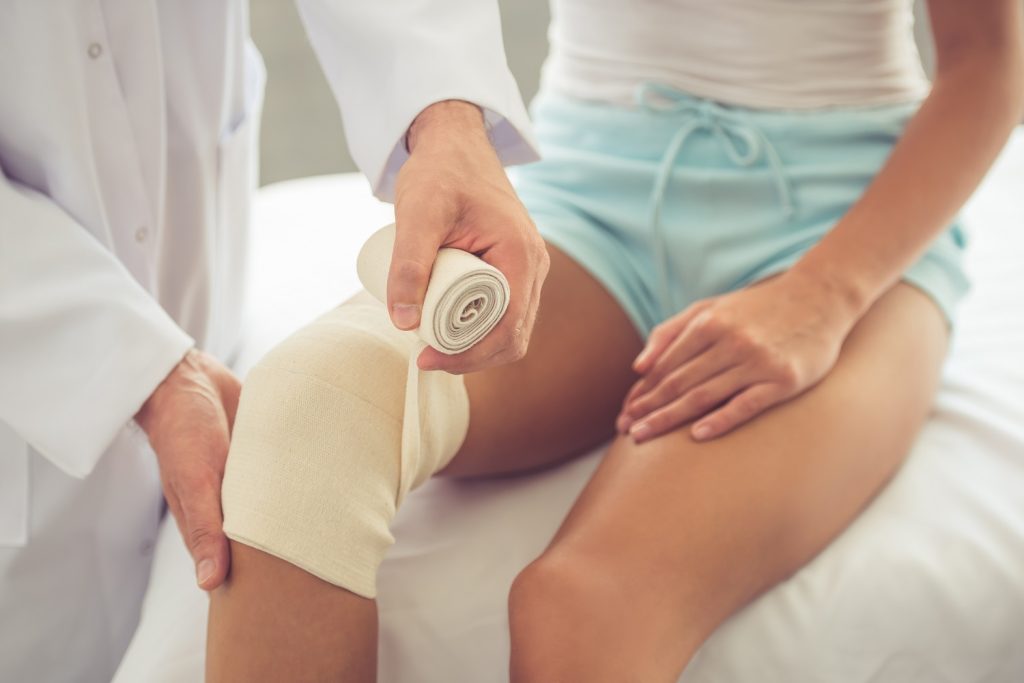
Comprehensive Guide to Understanding, Treating, and Preventing a Patella/Knee Cap Fracture
What is a Patella Fracture?
A patella fracture is when there is a break in the kneecap — the small, flat, triangular bone you can feel at the front of your knee. The patella plays an important role in how your knee moves and functions.
Anatomy of the Patella and Its Role in Knee Function
- The patella sits within the quadriceps tendon and glides over the femur (thigh bone) as your knee bends and straightens.
- The patella acts like a lever and improves the efficiency of your quadriceps muscle.
- The patella protects your knee joint from direct trauma
- The patella helps stabilise the knee, especially its basic functions such as walking, running, or climbing.
Types of Patella Bone Structure
The patella shape can vary slightly from person to person. It is typically made up of compact bone surrounding a core of spongy (cancellous) bone.
In some people, the patella develops in multiple pieces from birth, and these never fuse. This is called a bipartite patella. Bipartite patella does not usually cause problems but can be confused with a fracture seen on x-rays.
Why Understanding Patella Fractures Matters
The knee is a complex joint. Understanding the role of the patella and how it functions in conjunction with the other structures of the knee is essential when treating patella fractures. Without correct diagnosis and treatment, a patella fracture can lead to on-going pain, stiffness, or long-term instability.
The team at Access Ortho is highly skilled in the care of musculoskeletal injuries. You will receive advice and follow-up care from an orthopaedic surgeon, ensuring you are getting the specialist care your injury needs.
Critical Impact on Knee Mobility and Stability
The patella is central to your knee’s movement, so it is essential that your medical team understand the impact a fracture may have on your knee movement and knee stability.
- A fracture in the patella can disrupt the extensor mechanism, affecting your ability to straighten your leg.
- A patella fracture can lead to loss of strength, which can significantly impact one’s ability to carry out daily activities.
Types of Patella Fractures
Understanding the various types of patella fractures is crucial for deciding the proper treatment approach. Patella fractures can vary in shape, severity, and complexity. The medical team at Access Ortho specialise in orthopaedic injuries and understands the implications of each type of fracture.
1. Transverse Patella Fracture
- A horizontal break across the patella
- Often caused by a direct blow or strong muscle contraction
- Can be displaced (moved out of alignment) or non-displaced
- It may require surgery if the bone pieces are separated
2. Vertical Patella Fracture
- A lengthwise break, running top to bottom
- Less common and usually more stable
- Often seen after a direct impact on the edge of the knee
- May be treated non-surgically if not displaced
3. Comminuted Patella Fracture
- The patella is broken into three or more pieces
- Typically caused by high-impact trauma (e.g. car accident)
- Usually unstable and often needs surgery
4. Stellate (Star-Shaped) Fracture
- Multiple fracture lines radiating from a central point
- A form of comminuted fracture, often from a direct blow
- It may impact overall stability depending on displacement
5. Partial vs. Complete Fracture
- Partial: Only a section of the patella is broken
- Complete: The bone is broken all the way through
- Complete fractures are more likely to affect knee function if not treated properly
6. Open vs. Closed Fracture
- Open (compound): Bone breaks through the skin, there is a higher risk of infection with open fractures therefore, this needs to be treated in an Emergency Department
- Closed: Skin remains intact
- Open fractures always require urgent surgical care
7. Displaced vs. Non-Displaced Fracture
- Displaced: Bone pieces are out of alignment — displaced fractures often need surgery
- Non-Displaced: Bone remains aligned — may heal with bracing and physiotherapy
- Displaced fractures have a greater effect on stability and function
HOW COMMON ARE PATELLA FRACTURES?
Patella fractures, or breaks of the kneecap, are uncommon, accounting for approximately 1% of all skeletal injuries.
- The occurrence of patella fractures increases with age. Males aged 10 to 19 have an incidence rate of approximately 15.4 per 100,000 per year, while females between 60 and 80 have an incidence rate of about 36 per 100,000 yearly.
- Sports such as basketball, soccer and gymnastics carry a higher risk of patella fractures due to direct blows or sudden contractions of the quadriceps muscle during activities involving jumping or rapid direction changes.
- Workplace-related patella fractures are more common in certain occupations involving physical labour or the risk of falls.
- Motor vehicle accidents contribute to a number of patella fractures across various demographics.
Symptoms and Causes
Symptoms of a Patella Fracture
A patella (kneecap) fracture can range from mild to severe. The common symptoms are:
Pain at the Front of the Knee
- Sudden, sharp pain after a fall, direct blow, or awkward movement
- It often worsens with movement or pressure
Swelling and Bruising
- Rapid swelling over the kneecap following trauma
- Bruising may spread to the surrounding areas
Inability to Straighten the Knee or Lift the Leg
- Difficulty (or inability) performing a straight leg raise (lifting the leg off the bed while keeping your knee straight)
Difficulty Walking or Bearing Weight
- Limping or total inability to walk or put weight through the leg
Visible Deformity or Bony Gap
- In severe cases, a dent or separation may be seen or felt in the kneecap
Tenderness to Touch
- The kneecap area is often very sore and sensitive when you try to touch it
Grinding or Crunching Sensation (Crepitus)
- It may be felt when trying to move the knee
What Causes Patella Fractures?
Patella fractures usually occur due to trauma. Common causes include:
- A blow or impact directly to the front of the knee is the most frequent cause. Often seen in contact sports or accidents.
- Activities involving jumping, sudden stops, or collisions (e.g., basketball, football) may result in fractures from landing awkwardly or from falls.
- The kneecap can hit the dashboard in a crash, causing a sudden, high-force impact.
- Landing hard on your feet or knees can transfer enough force to fracture the patella.
- Heavy objects falling onto the knee, i.e. in an industrial injury, can crush the patella.
- Conditions like osteoporosis make fractures more likely — even with low-energy trauma due to weakened bone.
- The quadriceps muscle can contract so forcefully (e.g., during a fall) that it pulls the patella apart, but this is very rare.
Patella Fracture Risk Factors
The following may increase your risk of sustaining a patella fracture:
- Age-related bone density loss increases the fracture risk.
- Previous knee injuries may weaken the patella or surrounding structures.
- Osteoporosis reduces bone strength, making fractures more likely.
- High-risk sports (e.g. football, basketball) increase the chances of direct trauma.
- Occupational hazards like construction work increase the fracture risk.
- Genetic predispositions can affect bone strength and joint stability.
- Poor nutrition or an inactive lifestyle can contribute to weak bones and muscles.
Complications of Untreated Patella Fractures
It is very important to be aware that if Patella fractures are untreated or poorly treated, complications can occur. It is also important to understand that complications may occur regardless of the treatment. Therefore, it is essential to have orthopaedic input into the treatment plan and for follow-up care so all complications are picked up early.
Access Ortho’s medical team knows the complications that can develop. The team at Access Ortho will follow up with you closely to ensure they monitor for any signs of the following complications:
- Chronic Knee Pain – Ongoing pain that may worsen with activity, kneeling, or prolonged standing.
- Reduced Mobility – Limited range of motion, leading to difficulty bending or straightening the knee fully.
- Joint Instability – The knee may feel weak or give way during walking or weight-bearing tasks.
- Arthritic Changes – Untreated fractures or severe fractures can lead to uneven joint surfaces, increasing the risk of post-traumatic arthritis.
- Muscle Weakness – Prolonged immobility or improper healing can weaken the quadriceps and surrounding muscles.
- Long-Term Functional Limitations – Activities like climbing stairs, squatting, or standing from a seated position can become difficult or painful.
Delayed or improper healing may require corrective surgery to restore alignment and function. Access Ortho offers rapid appointments for acute injuries, ensuring you get specialist orthopaedic advice promptly. If you attend an Urgent Care Center or your GP, you will need to get a referral to an orthopaedic surgeon. This process will take time and may require multiple visits. Attending Access Ortho following your injury saves you time and money and ensures you get rapid access to orthopaedic advice.
Diagnosis and Tests for Patella Fractures
How Are Patella Fractures Diagnosed?
To accurately diagnose a patella fracture, the medical practitioner must take a thorough history, complete a physical examination and arrange radiology.
- Patient History Assessment
- Details will be taken regarding how the injury occurred, the symptoms immediately after the injury, and relevant past medical history. These details help them understand the likelihood and type of fracture that may have been sustained.
- Comprehensive Physical Examination
- The knee will be assessed for swelling, bruising, tenderness, and deformity.
The knee movement will be assessed, along with muscle strength.
- The ability to take weight through the leg and walk will be evaluated.
- Sensation will be assessed to evaluate nerve function.
Diagnostic Tests for Patella Fractures
The following radiology scans may be ordered to assess the type and location of the fracture and other associated injuries.
- X-ray – to confirm the fracture’s presence, type, and alignment.
- CT Scans – provide more detailed 3D images, this is especially useful in complex or comminuted fractures.
- MRI Diagnostics – assesses soft tissue damage, cartilage injury, or associated ligament injuries around the knee.
- Bone Density Scans (DEXA) – may be recommended to assess for osteoporosis or bone fragility, especially in older adults or repeat fracture cases.
Role of Fracture Clinics in the Diagnosis of Patella Fractures
Specialist fracture clinics like Access Ortho provide rapid assessment, diagnosis, and management of fractures, sprains and strains. Access Ortho only treats orthopaedic injuries, unlike Emergency departments and Urgent Care clinics, which treat all illnesses and injuries. Working only with orthopaedic injuries means that Access Ortho is highly skilled in caring for these injuries, ensuring patients receive expert orthopaedic care. Follow-up care is provided at Access Ortho, meaning you will not need to wait for an appointment with a private surgeon in their rooms, which can take many weeks.
At Access Ortho, you receive direct orthopaedic care from your first presentation. Avoid long waits and streamline your care at Access Ortho, offering affordable, rapid orthopaedic care.
Management and Treatment of Patella Fractures
Immediate Treatment Approaches
The following steps should be taken immediately if a patella fracture is suspected.
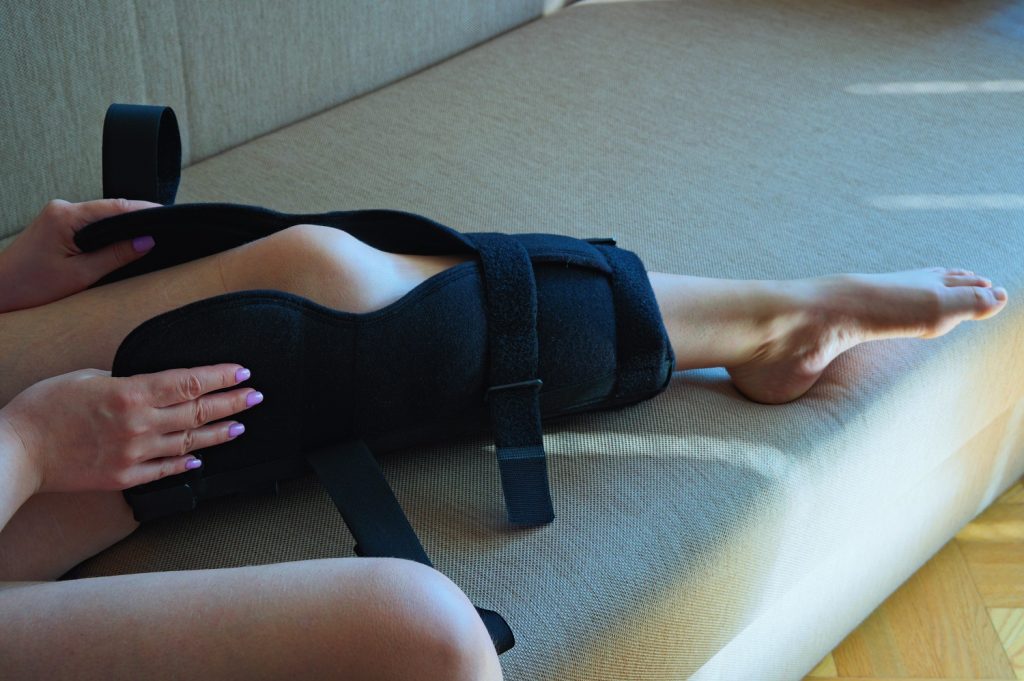
- To prevent further damage, support and restrict movement with a knee brace or splint.
- Rest, ice, compression, elevation, and pain relief medications (e.g. paracetamol or anti-inflammatories)
- In the cases of open fractures, severe displacement, or inability to straighten the leg, the patient should be taken immediately to a hospital emergency department.
Treatment Options
- For non-displaced fractures, treatment may involve immobilisation, rest, and physiotherapy.
- Surgery may be required for displaced, comminuted, or unstable fractures to realign and stabilise bone fragments. Techniques like tension band wiring, screws, or plates are used to hold fragments together in surgery.
- A tailored plan, including immobilisation, weight-bearing restrictions, and guided rehabilitation, needs to be established.
- Bracing may be used to keep the knee in full extension during the healing phase, which typically lasts 4–6 weeks.
- A gradual return to activity will occur following a period of bracing.
.
Role of Fracture Clinics in Treatment
Clinics like Access Ortho provide expert, fast-tracked care — from diagnosis to full recovery. A visit to Access Ortho means you can avoid long delays in starting treatment. Unlike Urgent Care centres or GPs, Access Ortho only treats orthopaedic injuries, so they are specialists in this area.
Rehabilitation and Recovery
Rehabilitation after a patella fracture follows a structured, stage-based approach to ensure effective healing and prevent re-injury.
Initial healing starts with immobilisation to allow the bone to knit together, followed by a gradual reintroduction of movement and weight-bearing. The time and style of immobilisation will be altered depending on the fracture type and severity.
Physiotherapy is an essential part of recovery.
The initial phase focuses on gentle movement and pain management
Strength building is important, with a focus on the quadriceps
Restoring range of motion is important as stiffness is common after immobilisation.
Once the basics of strength and range of motion are returned, specific return to sport training, can occur.
Psychological recovery support is often overlooked but important, especially in active individuals or those with prolonged recovery times. Fear of re-injury, frustration, or loss of confidence can impact outcomes, and it is essential to consider these factors.
Fracture clinics like Access Ortho are vital in coordinating care and monitoring progress and complications.
Prevention strategies
Prevention strategies for patella fractures include using protective equipment during high-risk activities, maintaining strong leg muscles through regular exercise, and supporting bone health with good nutrition and lifestyle habits. Biomechanical assessments, sport-specific training, and workplace safety measures also help reduce injury risk.
Outlook and Prognosis
Outlook and Prognosis
Recovery Expectations
Most patella fractures heal well with early diagnosis and correct treatment. Recovery varies based on the type and severity of the fracture.
- Typical healing timelines range from 6 to 12 weeks for the bone to heal, with full rehabilitation often taking 3 to 6 months.
- Factors influencing recovery include age, fracture type (displaced vs. non-displaced), treatment method (surgical vs. conservative), and adherence to physiotherapy.
- Long-term functional outcomes are generally good, especially with early intervention and structured rehab, though stiffness or mild discomfort can persist in some cases.
- Many patients achieve complete rehabilitation, regaining full strength and mobility, especially with guided care and consistent follow-up.
Return to Activity
Returning to regular activity, including work, sport, and recreation, needs to be done gradually and will vary greatly depending on individual progress.
Criteria for resuming sports include regaining full range of motion, adequate muscle strength, and pain-free function.
It is important to gradually reintroduce activity to help prevent re-injury and rebuild confidence in knee performance.
It may take time to return to pre-injury levels, so it is important to manage expectations around this.
Follow-up by your medical team helps ensure safe progression and addresses any lingering issues early, avoiding complications.
When to Seek Professional Help
Seek medical attention immediately if you experience any of the following:
- A loud “crack” at the time of injury
- Obvious deformity
- Inability to straighten the knee.
- Swelling and bruising, particularly if it develops quickly.
- Ongoing or worsening pain that doesn’t improve with rest or basic first aid.
- Difficulty walking, bearing weight, or performing daily movements.
Red flags – Numbness, tingling, open wounds over the kneecap, or signs of infection (e.g. warmth, redness, fever) require immediate medical evaluation.
Fracture clinics like Access Ortho provide fast, expert assessment and treatment without requiring a GP referral.
Where to Seek Professional Help
If you suspect you have a patella fracture or you are dealing with ongoing knee pain after an injury, it’s important to be seen by medical professionals who specialise in the care of fractures.
Access Ortho is a dedicated private fracture clinic offering expert, rapid assessment and treatment for fractures, sprains, and dislocations, including patella injuries. No GP referral is needed, and patients of all ages are welcome.
With a team of orthopaedic specialists and the ability to refer for all imaging, Access Ortho provides fast, affordable, streamlined care to get you moving safely and confidently again.
If you have a new injury or have been seen at the Emergency Department or Urgent Care clinic, go to Access Ortho for trusted, efficient treatment and orthopaedic follow-up care.
Commonly Asked Questions
How long does a patella fracture take to heal?
Most patella fractures heal in 6–12 weeks, though full recovery, including rehab, can take 3–6 months.
Will I need surgery for my patella fracture?
Surgery is not always needed for patella fractures. Non-displaced fractures are often treated with immobilisation, but surgery may be required for displaced or unstable fractures. It is important to get advice regarding surgery from an Orthopaedic Surgeon as they understand the implications of conservative vs surgical care.
What are the most effective rehabilitation exercises?
Quad activation, straight leg raises, gentle knee bending, and progressive strengthening under physiotherapy guidance are the most effective rehabilitation exercises.
How can I prevent future patella fractures?
Maintaining strong leg muscles, ensuring good bone health, using protective gear in sports, and addressing fall risks are all ways that will help prevent patella fractures in the future.
When should I go to the emergency room? Who should I see if I think I have a patella fracture?
Deciding who to see if you suspect or know you have a patella fracture can be difficult. Go to the ER if you can’t walk, can’t straighten your knee, there’s an obvious deformity, it is an open fracture (where the skin has broken), or you have sensory changes in your leg. Otherwise, contact a fracture clinic like Access Ortho for an urgent appointment. If you have already been to the ER or GP, you can contact Access Ortho for follow-up orthopaedic care.
What are the long-term effects of a patella fracture?
Most people recover well following a patella fracture, but if not treated properly, some may experience complications such as stiffness, weakness, or early arthritis.
How painful is a kneecap fracture?
A patella/kneecap fracture can be quite painful, especially when moving the knee or putting weight on it. However, the pain usually improves with treatment and rest.
Can I return to sports after a patella fracture?
Yes, many people return to sport after a period of rehab following a patella fracture. When you can return to sport depends on the severity of the injury and progress with recovery.
What immediate steps should I take after a fracture?
After any injury, you should immediately rest, ice, elevate, avoid putting weight on the leg, and seek prompt medical attention.
How do I know if my fracture is serious?
Signs that a fracture needs rapid medical input include severe pain, inability to walk or straighten the knee, visible deformity, rapid swelling, broken skin and sensory changes.
What increases my risk of patella fractures?
Falls, direct impact, high-risk sports, weak bones (e.g. osteoporosis), and previous knee injuries increase your risk of patella fractures.
Will I have full knee function after recovery?
Most people regain full function following a patella fracture with proper treatment and rehab, especially if treated early by medical staff who specialise in orthopaedics.
Do fracture clinics treat patella fractures?
Yes. Clinics like Access Ortho specialise in fast, expert care for fractures, sprains, and dislocations — no referral is needed.